Subterranean Show of Force or Strategic Slip?
Tehran has unveiled what state media describes as an underground "missile city," a vast facility reportedly housing cruise and ballistic missile systems. The imagery, disseminated via state television and networks aligned with what is termed the "Axis of Resistance," depicts long tunnels filled with sophisticated weaponry. This revelation coincides with heightened tensions between Iran and the United States, marked by an increased American military presence in the region, including the deployment of aircraft carriers, advanced fighter jets, and stealth bombers in the Indian Ocean. Military analysts, however, suggest that the Iranian propaganda video may have inadvertently exposed a critical vulnerability in the design of these subterranean installations.
Dissent and Defiance Beyond Borders
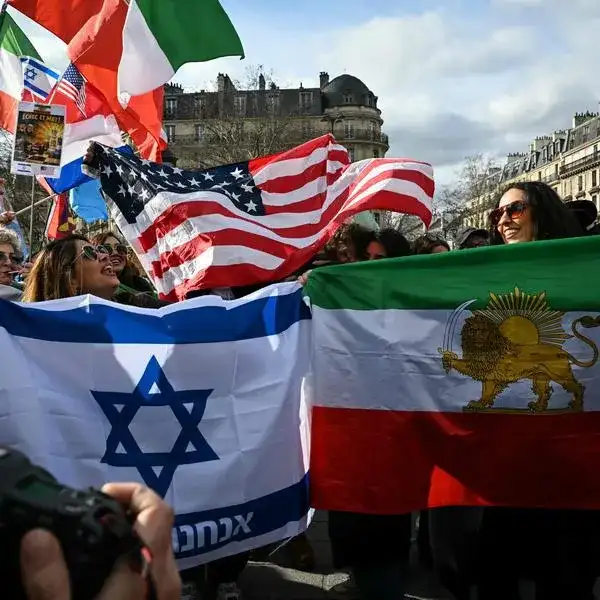
Simultaneously, expressions of dissent against the current Iranian regime persist. Demonstrations have been observed, with participants carrying monarchist symbols alongside flags of Israel, the United States, and France, advocating for the downfall of the Islamic Republic. This underground display of missiles and external calls for regime change paint a complex picture of Iran's geopolitical standing. Some European observers advocate for a strengthened military and economic posture, rather than relying on international bodies like the UN, suggesting a growing skepticism about diplomatic resolutions in the face of perceived Iranian intransigence.
Read More: US Iran Ceasefire Announced April 8 Causes Oil Prices to Drop
Echoes of Past Triumphs and Future Concerns
Reports suggest a concerted effort by figures like Israeli Prime Minister Netanyahu and former U.S. President Donald Trump to counter Iran, framed by supporters as an act of courage rather than recklessness. There are also claims of Israeli involvement in operations concerning Iran, including alleged participation in a rescue operation for a U.S. crew member and the reported killing of a high-ranking Iranian intelligence official, Brigadier General Majid Khademi, identified as the head of intelligence for the Islamic Revolutionary Guard Corps. The timing and nature of these events, juxtaposed with Iran's missile unveiling, fuel ongoing speculation about the efficacy of past policies and the uncertain path forward.