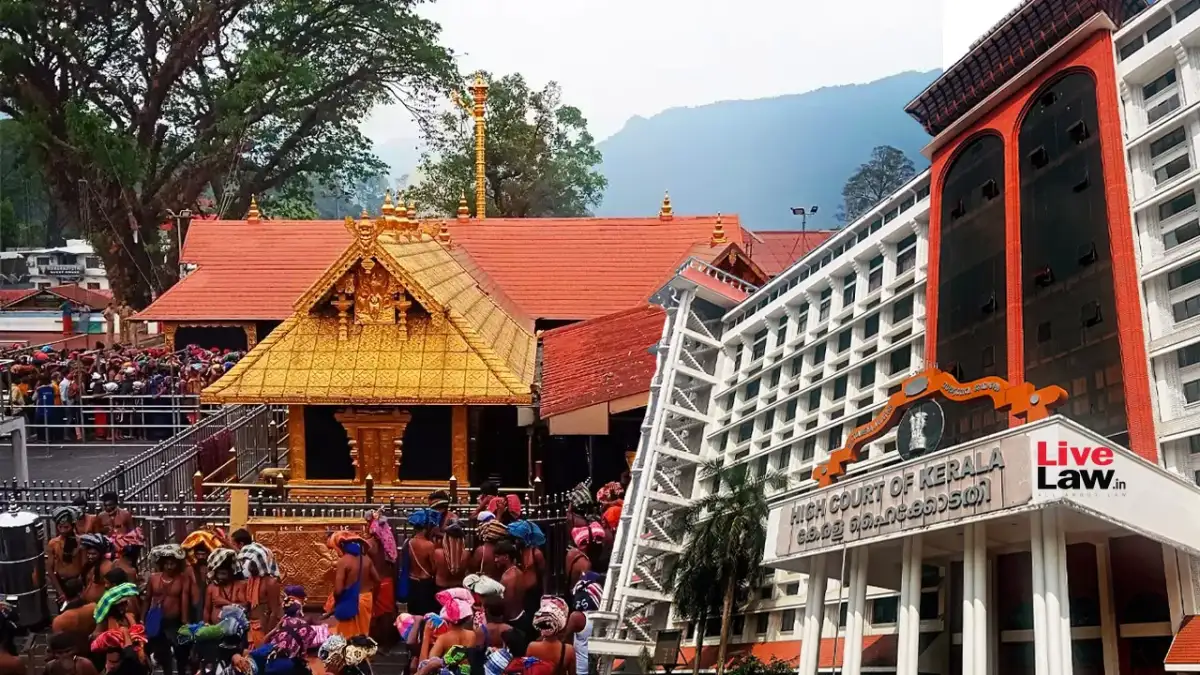
The Supreme Court is scrutinizing the legitimacy of challenges to the Sabarimala temple's customs, particularly regarding the entry of women of menstruating age. Justice B.V. Nagarathna, a member of the nine-judge Constitution Bench hearing the matter, voiced significant doubt that a genuine devotee of Lord Ayyappa would initiate legal action to overturn the temple's long-standing exclusion practices. The court is now examining the locus standi of those, such as non-governmental organizations, who are not directly connected to the deity or the temple's worship in filing such petitions.
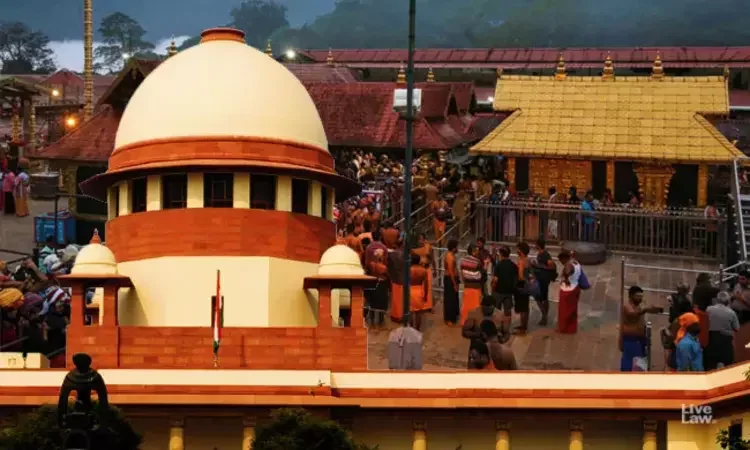
Challenging Tradition: The Core of the Debate
During the ongoing hearings, the bench, including Chief Justice Surya Kant and other justices like M.M. Sundresh and Ahsanuddin Amanullah, has repeatedly posed the question: "How can non-devotees of Lord Ayyappa challenge Sabarimala custom?" This line of inquiry suggests a judicial move towards differentiating between established religious practices and potentially external attempts to alter them.
Read More: Ben Roberts-Smith loses final appeal, remains in prison
"No devotee of Ayyappa would have moved SC challenging exclusion of women of menstruating age: Justice Nagarathna"
Justice Nagarathna's assertion points towards a critical distinction: that legal challenges questioning such practices might originate from individuals or groups lacking a direct, devotional stake in the traditions they seek to change. The court appears to be grappling with the threshold for intervening in what may be considered essential religious practices versus the potential for such practices to harbor social evils.

The Court's Role in Religious Practices
The Supreme Court's nine-judge bench is revisiting the complexities surrounding religious freedom and gender equality, a debate that first saw a significant judicial intervention with the 2018 verdict allowing women of menstruating age into the Sabarimala temple. This current phase of hearings is not just about Sabarimala; the court has indicated that its findings could have wider implications, potentially influencing how similar issues are approached in other religious contexts, such as women's entry into mosques or Parsi fire temples.
Read More: Zareen Khan's Mother Parveen Khan Dies at 65 in Mumbai After Illness

The bench is considering the government's stance and has questioned the ability of a secular court to definitively label a religious practice as mere superstition, especially when the practice is framed by devotees as integral to the deity's nature, such as Lord Ayyappa's celibacy.
Background
The legal battle over women's entry into the Sabarimala temple has been a protracted one, igniting widespread public discourse on tradition, gender equality, and constitutional rights in India. The 2018 Supreme Court verdict, which allowed women of menstruating ages (10-50 years) to enter the shrine, was met with significant resistance and has since been under review. This current hearing is part of that review process, with the court aiming to achieve constitutional clarity on the matter. The outcome is anticipated to shape the legal understanding of religious practices and equality in the country for years to come.
Read More: Ex-NRL Player Curtis Scott Allowed Bare-Knuckle Fight While Facing Assault Charges