Merger activity persists despite elevated oil prices and fluctuating stock markets, as corporate entities leverage perceived openness from federal antitrust regulators. Bankers indicate a willingness among companies to navigate these challenging economic waters, signaling strategic moves are afoot.

The ongoing disruption of the vital Strait of Hormuz trade route represents the most significant oil supply interruption ever recorded, underscoring the critical strategic advantage of diversified export routes in global energy markets. This situation, coupled with broader geopolitical tensions, including interventions attributed to Donald Trump, contributes to oil price volatility. While some nations like China appear better positioned due to their investments in clean energy infrastructure and crude oil reserves, others face heightened risks.

Market Instability and Oil Price Swings
The energy markets are experiencing considerable turbulence. Oil prices have repeatedly dipped even amidst a surging market, failing to maintain levels many traders believe are warranted given the deteriorating global oil supply. This volatility is fueled by a mix of factors, including geopolitical events like drone strikes on Tehran, and speculative trading driven by what some describe as "fear and headlines."
Read More: Evil Landfall Publishing Arm Launched by Landfall Games in Stockholm
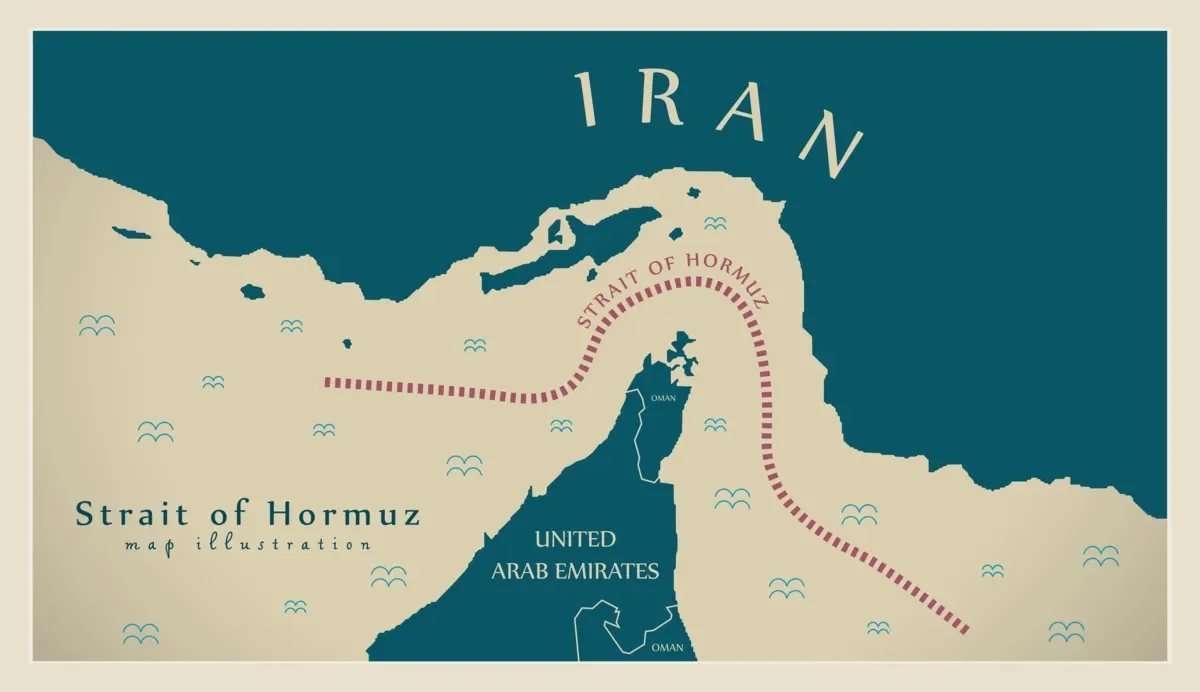
Traders are actively re-evaluating strategies in response to events such as the shutdown of the Strait of Hormuz.
Despite significant price surges, oil prices have shown a tendency to slump, influenced by factors like the release of strategic oil reserves and political pronouncements.
The market's underlying condition, perceived by some as oversupplied despite rising prices, adds another layer of complexity for traders.
Investment Landscape Amidst Uncertainty
The current economic climate presents a complex picture for investors. Companies such as Chevron are highlighted for their integrated business models, diversified cash flow, and strong balance sheets, factors that offer stability independent of short-term oil price spikes. This resilience is attributed to lean operational costs and a strong financial foundation, enabling them to benefit from higher crude oil prices.
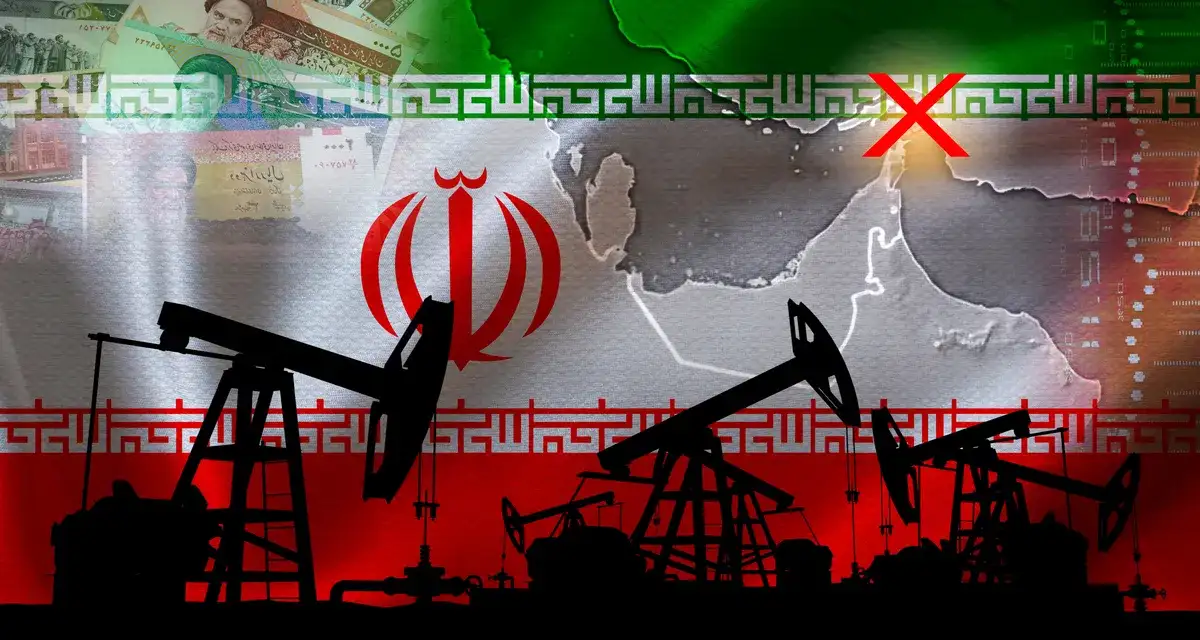
Oilfield services companies, including Halliburton Co. and Baker Hughes Co., are noted for their positioning within the energy sector.
The potential merger between Devon and Coterra Energy Inc. could create a larger U.S.-focused oil and gas exploration and production entity, potentially yielding scale advantages.
For investors, the oil and gas sector remains inherently risky, with stock prices susceptible to dramatic swings mirroring the broader oil market.
Broader Economic Ripples
Concerns are being voiced about the potential long-term economic consequences of current events. Jamie Dimon has warned that the Middle East conflict and subsequent energy shock could lead to persistent inflation, higher interest rates, and possible recession risks, diverging from the shorter-lived price spikes seen in 2022. This outlook suggests a more prolonged period of economic adjustment.
Infrastructure and Diversification
New infrastructure projects are also part of the evolving energy landscape. Bridger Pipeline LLC is planning a significant pipeline project connecting the U.S. and Canada. Simultaneously, entities like BP are exploring opportunities in gas extraction, potentially accelerating plans for new export corridors. These developments underscore a growing emphasis on export route diversification as a strategic imperative.
Read More: Meta's Muse Spark AI Launch Boosts Stock Price Target to $885