Recent discourse highlights a persistent, yet often overlooked, aspect of human anatomy: the pelvic floor. This complex musculature, integral to numerous bodily functions, is increasingly being framed as a critical component for improved sexual health, particularly in relation to orgasmic intensity and overall intimacy. Evidence suggests a direct correlation between pelvic floor strength and sexual satisfaction, with dedicated exercises and specialized trainers emerging as focal points for this burgeoning area of self-care.

ORGASMS AND PELVIC FLOOR: A COMPLEX RELATIONSHIP
While orgasms involve significant pelvic floor contractions, relying on them alone for consistent strengthening is considered insufficient by most sources. Research indicates that individuals who experience orgasms regularly tend to exhibit better pelvic floor endurance. This connection is mutually beneficial: a stronger pelvic floor can facilitate more intense and easier-to-achieve orgasms.
Orgasms trigger involuntary, rhythmic contractions of the pelvic floor muscles.
Regular orgasms are associated with enhanced pelvic floor endurance.
However, these natural events are not a substitute for deliberate training.
TRAINERS AND TECHNIQUES: TOOLS FOR IMPROVEMENT
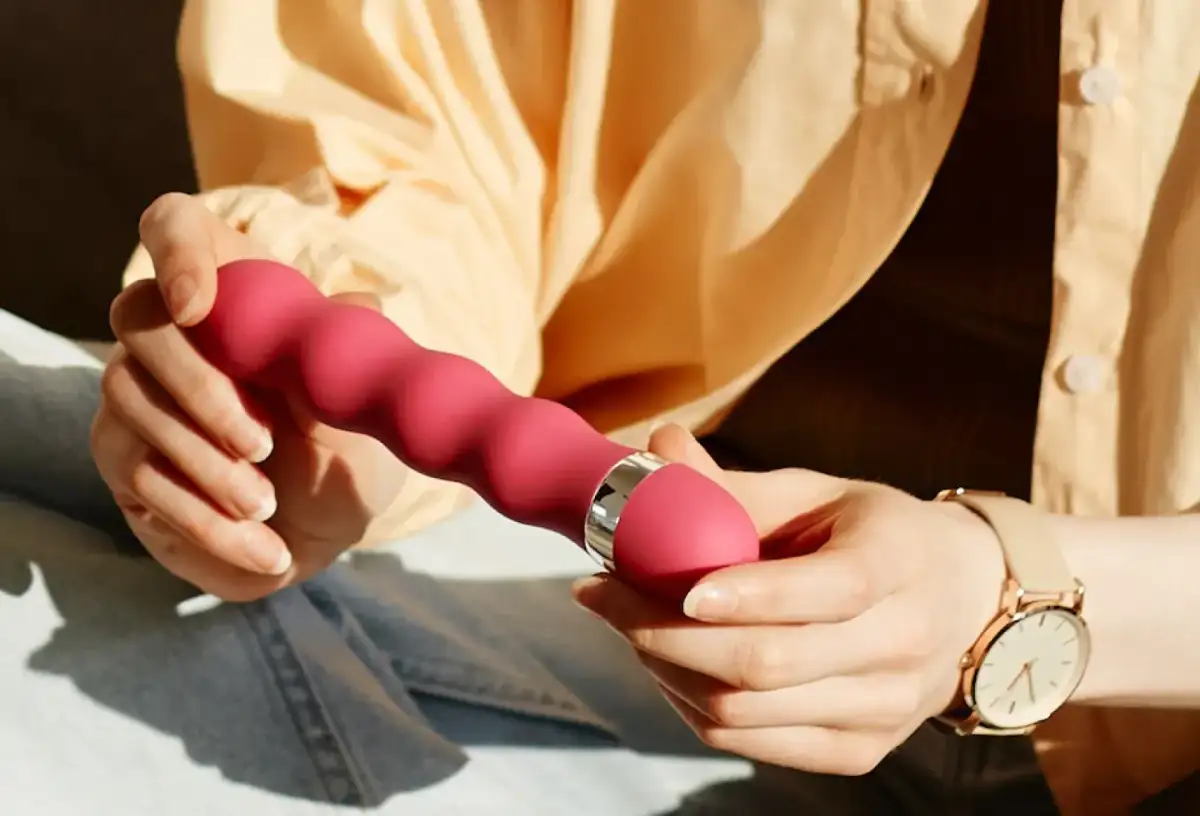
The market is responding to this awareness with a variety of pelvic floor trainers. These devices often provide guided exercises, offering feedback to confirm correct muscle engagement. This directed approach is seen as particularly useful for those seeking to improve muscle tone and function, especially for issues such as incontinence or postpartum recovery.
Read More: India IVF Costs And Social Barriers Limit Access In April 2026

Dedicated trainers can offer targeted resistance and feedback.
Consistency is key; improvements are described as a gradual process.
Many sources recommend consulting a healthcare professional before beginning a training regimen.
THE DIVERSE APPLICATIONS OF PELVIC FLOOR HEALTH
Beyond sexual function, a well-toned pelvic floor is linked to a range of benefits. These include improved bladder and bowel control, support during pregnancy and postpartum recovery, and alleviation of pelvic pain. The exercises themselves are presented as accessible, requiring minimal time and effort, and can be performed discreetly.

Pelvic floor exercises are simple movements involving tightening and releasing these muscles.
They can be integrated into daily routines with as little as five minutes a day.
Benefits extend to both men and women, impacting sexual dysfunction and general well-being.
HISTORICAL AND CONTEXTUAL BACKGROUND
The concept of pelvic floor exercises, often referred to as Kegels, has been discussed in medical and wellness circles for decades. However, a recent surge in popular media coverage and product development indicates a growing mainstream interest. This heightened attention frames pelvic floor health not merely as a medical necessity but as a pathway to enhanced quality of life and intimate experiences.'Pelvic floor exercises' | 'Kegels' | 'Pelvic floor trainers'

:max_bytes(150000):strip_icc()/VWM-GettyImages-2198912415-e51948be28bc42528c9c47b257d5cb53.jpg)