Washington and Tehran have agreed to a two-week...
Washington and Tehran have agreed to a two-week ceasefire, suspending escalating military actions and buying time for protracted negotiations. The deal, announced Tuesday, comes just hours before a critical deadline set by President Donald Trump for Iran to meet his demands or face significant retaliatory strikes.
JUST IN: The agreement hinges on Iran's commitment to immediately...

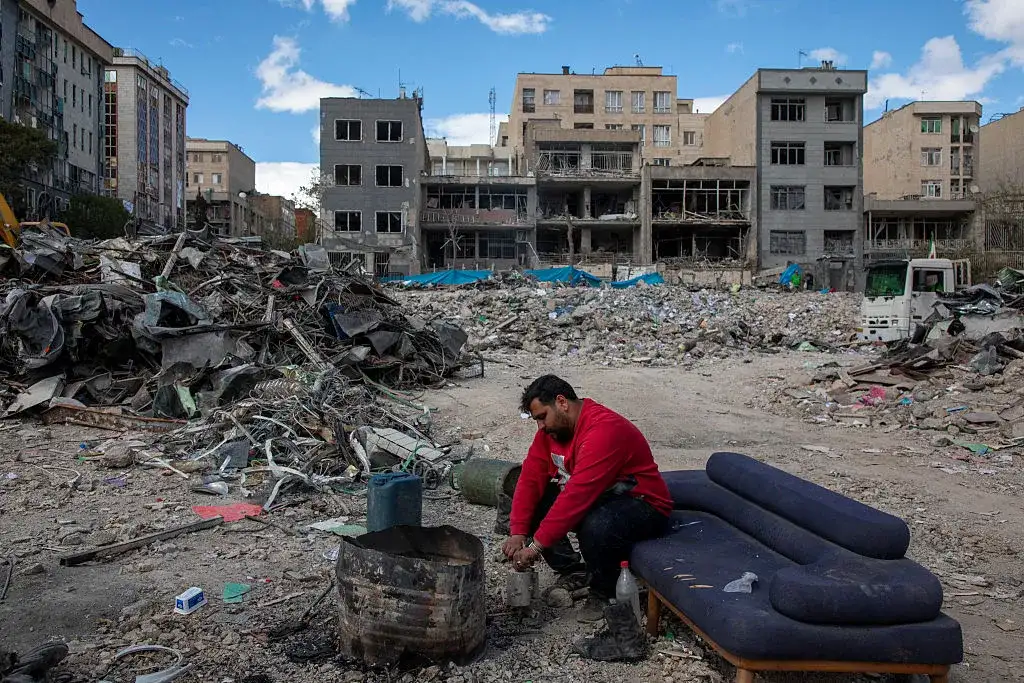
The agreement hinges on Iran's commitment to immediately and safely reopen the Strait of Hormuz, a vital waterway for global oil transit. In return, the United States and Israel will halt bombing campaigns against Iranian targets for the stipulated period. This move represents the most substantial pause in hostilities since the conflict, now in its sixth week, began. Thousands have reportedly died, and a global energy crisis has taken root.
DEALS AND DELAYS

The breakthrough arrived after considerable pressure, including pleas from Pakistan, which has acted as a mediator. President Trump declared the ceasefire on social media, framing it as a step toward a long-term peace agreement. Iran’s Foreign Minister, Seyed Abbas Araghchi, acknowledged Pakistan's role and stated that ships would be able to transit the Strait of Hormuz during the ceasefire period, contingent on coordination with Iran's armed forces.
UPDATE: RAMPED-UP ATTACKS PRECEDE TRUCE

Reports suggest Iran presented a ten-point proposal as a basis for further talks. Key points in this proposal reportedly include the withdrawal of U.S. forces from the region, the lifting of economic sanctions, and demands for war reparations. U.S. and Iranian delegations are slated to convene in Islamabad on Friday to commence discussions on a more definitive resolution.
The ceasefire announcement follows a period of heightened military activity. On Tuesday, Israel intensified its strikes, targeting railways and bridges it claims are used for weapon transport. Simultaneously, Iran reportedly launched missiles toward regional adversaries and struck a ballistic missile site within its own territory. U.S. forces also conducted strikes on Iranian military infrastructure, including on Kharg Island.
JUST IN: CONFLICT'S WIDER IMPACT
The nearly six-week conflict has already exerted considerable strain on global shipping and sent oil prices soaring. The agreement to reopen the Strait of Hormuz is seen as a crucial element in stabilizing international energy markets. The U.S. and Iran have both, in their own ways, framed this temporary halt in hostilities as a positive development. Trump has suggested military objectives have been met, while Iran has voiced optimism regarding the presented proposal as a foundation for peace.