A Vanishing Sea, A Shared Crisis
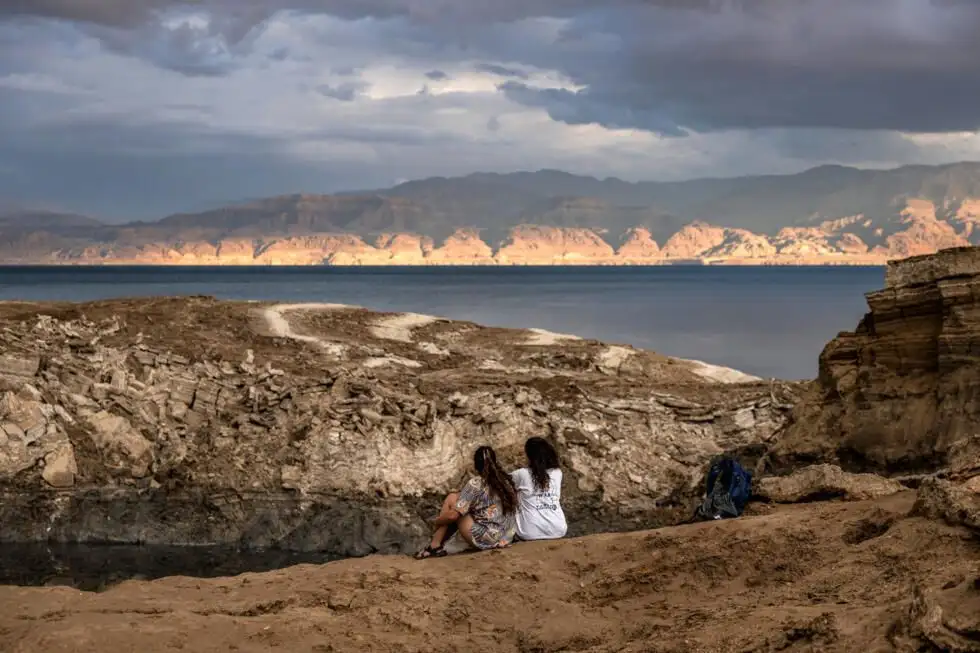
The Dead Sea, situated at Earth's lowest terrestrial point, is rapidly receding, transforming once-popular tourist spots into hazardous landscapes marked by sinkholes. This ecological crisis, affecting Israel, Jordan, and Palestinian territories, stems from a complex interplay of factors, yet proposed solutions remain elusive and contested among the involved parties.

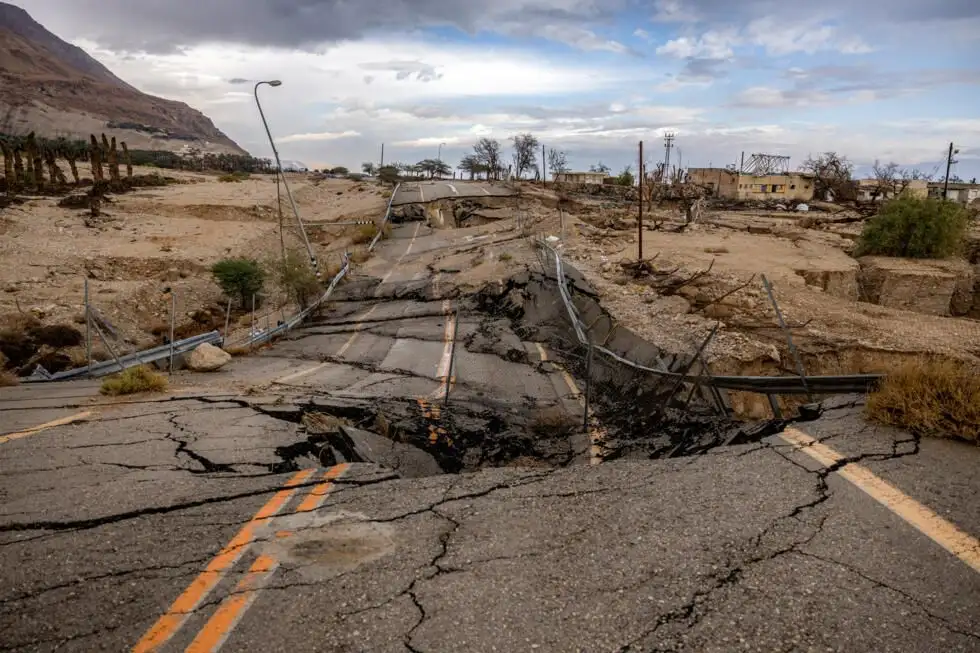
The accelerating retreat of the Dead Sea, observed at a rate of up to 1 meter per year, is leaving behind a scarred environment. This phenomenon has led to the closure of beaches like Ein Gedi and the abandonment of infrastructure, turning vibrant tourist destinations into eerie relics of a bygone era.
Causes and Consequences
The dwindling water levels are attributed to multiple pressures:
Overexploitation of water resources, particularly the Jordan River, which serves as a primary source for the region's populations.
Climate change, exacerbating existing water scarcity.
Mineral extraction operations and large-scale desalination projects.
The consequences are stark:
The emergence of thousands of sinkholes, a direct result of the receding shoreline, posing significant safety risks.
Economic impacts on tourism and local communities.
The potential loss of a unique geological and chemical environment, home to specific microbial life and rich mineral content.
A Standoff Over Solutions
Despite the urgency, a consensus on how to reverse the Dead Sea's decline remains out of reach. Various proposals have surfaced over the years, each with its own set of challenges and proponents:
Read More: Amazon Land Use Changes Cause Disease Clusters in Brazil
Red Sea-Dead Sea Conveyance Project: A long-discussed pipeline to channel water from the Red Sea. However, concerns linger about the potential pollution of the Dead Sea's unique chemical composition by desalinated Red Sea water. Furthermore, the ecological impact on Red Sea coral reefs and marine life is a significant consideration.
Desalination Facilities: Building more desalination plants is a possibility, but this often involves increased water withdrawal from other sources, potentially shifting the problem elsewhere.
Water Management Reforms: Suggestions include regenerating the Jordan River, reducing water usage through more efficient irrigation and discouraging water-intensive crops, and improving overall water resource management practices.
A Long History of Decline
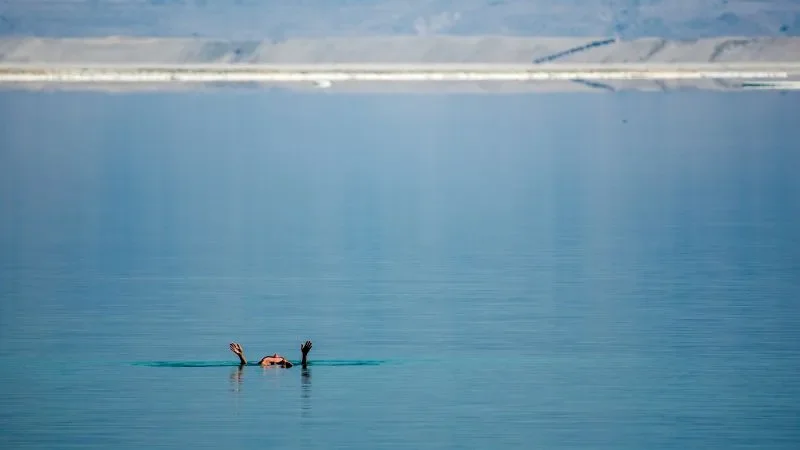
The Dead Sea's precarious state is not a new development. Reports stretching back over a decade highlight its steady decline. Historical accounts paint a picture of a once-thriving shoreline, now drastically altered. The lowest point on the planet, it has been described as a place of extremes, a saline body that defies the normal laws of buoyancy, allowing people to float effortlessly. Yet, this very uniqueness is now threatened by human activity and environmental shifts. The sea's transformation is a potent symbol of wider environmental challenges in the region and beyond.