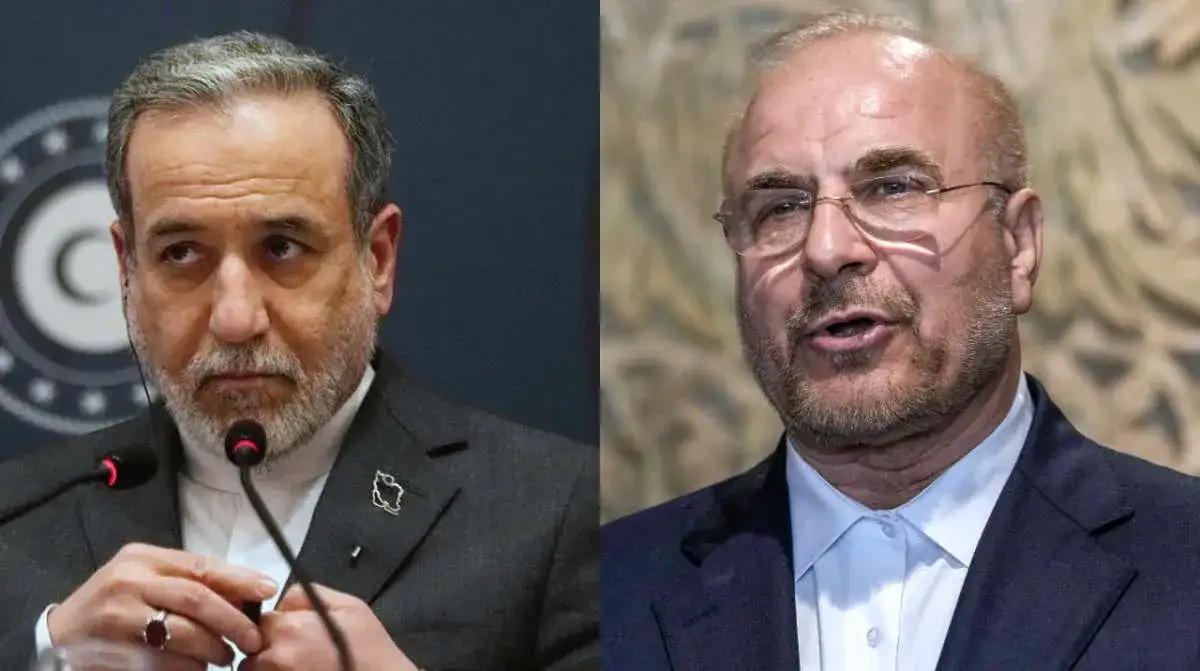
Reports originating from The New York Times indicate that the United States actively intervened earlier this year to prevent the assassination of top-tier Iranian officials by Israel. Washington sought to safeguard ongoing ceasefire negotiations, fearing that the targeted killing of Abbas Araghchi, Iran’s Foreign Minister, and Mohammad Bagher Ghalibaf, Parliament Speaker, would permanently collapse the delicate Pakistan-brokered peace track and escalate the existing US-Israel conflict with Iran.
US officials indirectly warned Tehran via regional intermediaries that Israel had designated both men for elimination. The threat reached a critical point around April 12, following discussions in Islamabad between Ghalibaf and US Vice President JD Vance. According to intelligence reports, Israeli fighter jets were identified within Iranian airspace during Ghalibaf's return flight, prompting immediate warnings from Iranian security forces to his aircraft.
Read More: Taiwan Holds Nantou County Drills to Prepare for State Collapse
Tactical Friction and Strategic Divergence
The documented intent to strike key diplomatic figures highlights a widening fissure between Washington’s desire for a negotiated interim settlement and the more aggressive military objectives favored by Tel Aviv.
Mediation Efforts: Regional actors including Pakistan, Turkey, and Egypt functioned as essential conduits, pressing for the removal of the two negotiators from Israeli "hit lists."
The April Window: As diplomatic talks intensified following an April 8 ceasefire, US authorities reportedly moved to block kinetic strikes that would have fundamentally compromised their bargaining position.
Targeting Logic: While the US viewed Araghchi and Ghalibaf as necessary partners for a diplomatic exit from the war, Israeli strategy remained focused on weakening the Iranian leadership hierarchy through targeted attrition.
| Factor | Status during April Talks |
|---|---|
| Primary Goal | Secure a negotiated cessation of hostilities |
| Key Threat | Kinetic targeting of high-level negotiators |
| Intermediaries | Pakistan, Qatar, Turkey, Egypt |
| Risk of Action | Termination of talks and full-scale escalation |
Contextual Underpinnings
The current diplomatic volatility follows months of persistent, high-stakes maneuvering. Washington, under the administration of President Donald Trump, has emphasized a limited timeframe for Iran to commit to a ceasefire framework. Conversely, Tehran has expressed skepticism toward US-proposed conditions, terming them "excessive" while simultaneously seeking formal guarantees through third-party intermediaries to ensure the safety of their diplomatic personnel during transit.
While recent reports from late March suggest both men have been temporarily removed from joint US-Israeli target lists, the situation remains precarious. The reliance on indirect warnings underscores the lack of direct lines of communication and the extent to which physical security for negotiators became an implicit prerequisite for any broader peace initiative.
Read More: Gulf Oil Exports Rise in June but Still Below Pre-War Levels