Sunken vessel yields artifacts, human remains, stirring historical reflection.
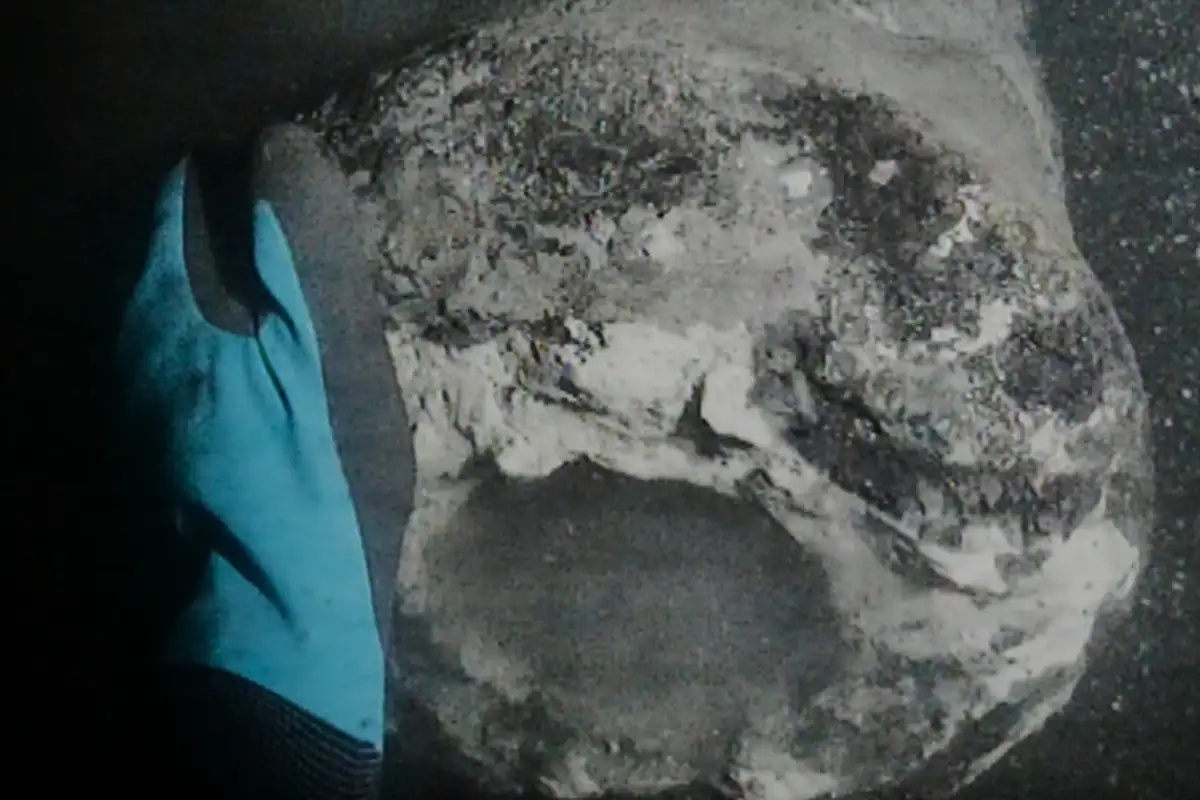
The wreck of the Danish warship Dannebroge, sunk by Horatio Nelson's British fleet 225 years ago during the Battle of Copenhagen, has been discovered off the Danish coast. Marine archaeologists have recovered numerous artifacts, including cannons, uniforms, shoes, bottles, and crucially, a fragment of a sailor's lower jawbone. This find offers a tangible connection to the 19 crew members unaccounted for, presumed lost in the 1801 naval engagement.
The Dannebroge, a 48-meter (157-foot) vessel, was identified as Nelson's primary target. The underwater excavation, conducted in challenging conditions of near-zero visibility and thick sediment at a depth of approximately 50 feet, has also yielded insignia, clay pipes, and ceramics. These discoveries are significant not only for their historical value but also because the site is slated for inclusion in the construction of Lynetteholm, a controversial artificial peninsula project.
Read More: St. Augustine's ideas on justice help explain US politics
The Battle of Copenhagen, a decisive British victory, saw the Danish navy’s defensive blockade outside the harbor attacked. The conflict, though lasting only a few hours, resulted in substantial casualties. Records indicate that 56 sailors from the Dannebroge perished, with over 40 wounded. The British sustained approximately 255 men killed and over 700 wounded.
"When a cannonball hits a ship, it's not the cannonball that does the most damage to the crew, it's wooden splinters flying everywhere, very much like grenade debris."
This comment from an archaeologist underscores the brutal nature of naval warfare in that era. The battle is also historically noted for its association with the phrase "to turn a blind eye." The narrative suggests Nelson, facing a disadvantageous tactical situation and having lost sight in one eye, ignored a superior's signal to withdraw. His reported remark, "I have only one eye, I have a right to be blind sometimes," encapsulates this defiant act. Ultimately, Nelson offered a truce, leading to a ceasefire with Denmark's Crown Prince Frederik.
Read More: 5,900-Year-Old Child Skull Found in Norway Cave
The findings are expected to contribute to a reexamination of the battle's impact on Denmark and potentially uncover individual narratives from those who participated. The underwater recovery operations, led by Denmark's Viking Ship Museum, began surveying the presumed final resting place of the ship late last year, culminating in this announcement on the 225th anniversary of the battle.