Subterranean Scans Reveal Largest Stand-Alone Roman Villa in Wales
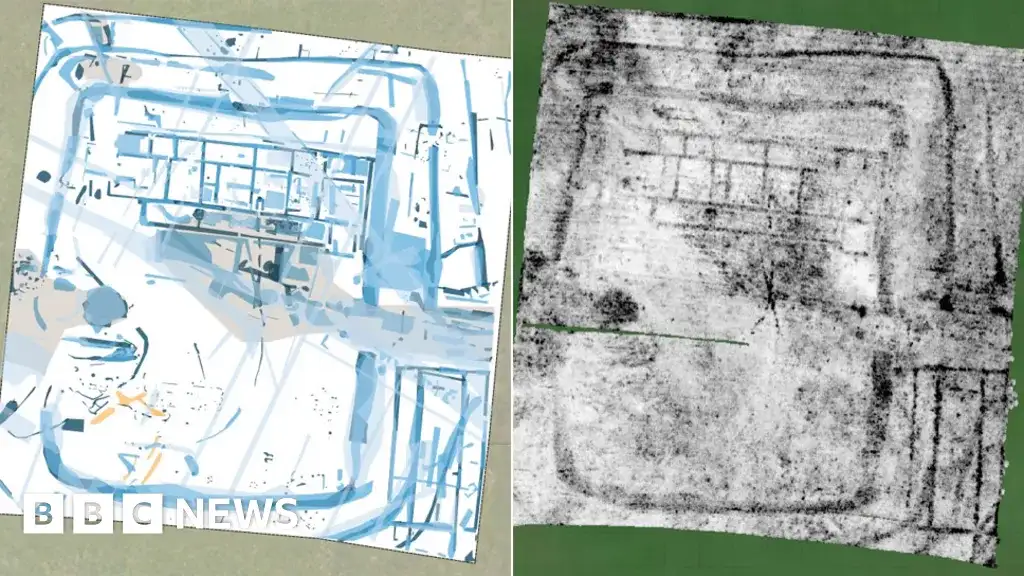
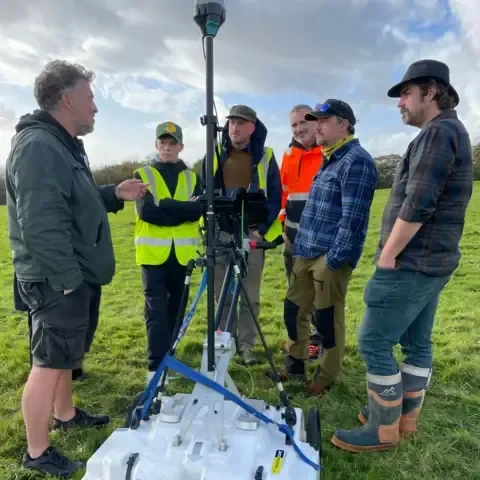
Ground-penetrating radar and other geophysical surveys have uncovered the foundations of what appears to be the largest stand-alone Roman villa ever found in Wales. The extensive structure, located approximately three feet below the surface in Margam Country Park, near Port Talbot, stretches about 141 feet long and covers an estimated 572 square meters. Evidence suggests a layout consistent with a 'corridor villa' featuring two wings and a front veranda. The preservation of the villa's remains is considered exceptionally good, owing to the land's history of remaining unploughed and undeveloped.
This significant discovery is poised to reshape current understandings of Roman occupation and power centres in Wales during the Roman era. A substantial aisled building, measuring roughly 354 square meters, has also been detected southeast of the main villa, potentially serving as a barn or meeting hall.
Read More: St. Augustine's ideas on justice help explain US politics

Discovery Spurs Local Pride and Historical Reassessment
The finding, dubbed "Port Talbot's Pompeii" by some, has generated considerable local enthusiasm. Residents and heritage groups have welcomed the discovery as a source of pride and a substantial addition to the historical importance of Margam Country Park. Officials anticipate the find will boost interest in the park and bring wider benefits to the region.

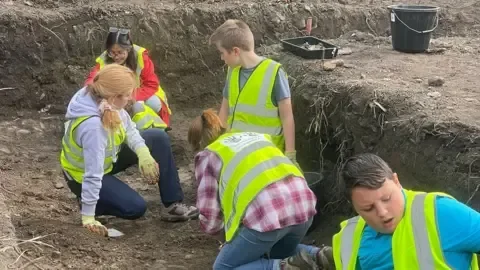
The conservation of the site is a declared immediate priority, with further survey work planned before any excavation can commence. Researchers aim to secure funding for future digging, hoping to glean further details about the villa's history, including the reasons for its eventual abandonment and the possibility of an associated bathhouse.
Contextualizing Roman Presence in Wales
While this villa represents a substantial find, it also highlights a comparative scarcity of detailed information regarding the Roman period in this specific region of Wales. The research team, originally seeking general clues about the Roman era, expressed surprise at the scale of the discovery. The project, partly funded by the UK Government under the 'ArchaeoMargam' initiative, involved collaborations between Swansea University, Neath Port Talbot council, and Margam Abbey Church.
Read More: 5,900-Year-Old Child Skull Found in Norway Cave
Past Roman villa discoveries in Wales, such as the one at Abermagwr in Ceredigion, have yielded significant artifacts, including a unique cut-glass bowl and evidence of Roman roofing techniques. However, the Margam villa's scale and apparent preservation set it apart as a discovery of particular note.