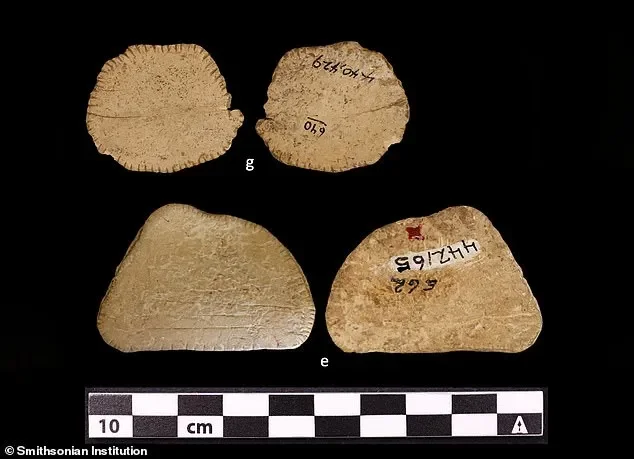
The discovery of rudimentary dice crafted from bone in the western Great Plains pushes back the earliest evidence of gambling activities and the comprehension of random chance to approximately 12,000 years ago, during the last Ice Age.
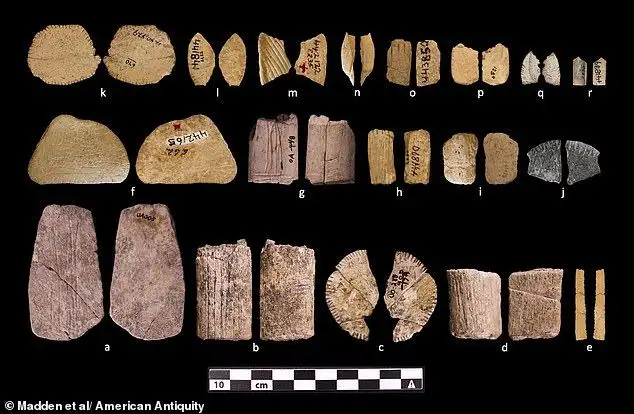
Archaeologists have unearthed ancient dice, some dating back as far as 12,000 years, suggesting a deeply rooted human inclination towards games of chance. These findings, originating from various sites across a 12-state region in the western United States, represent the oldest known evidence of gambling and imply an early grasp of probability.

The unearthed artifacts are described as simple yet deliberately crafted tools. Some feature etched markings along their edges, while others are shaped with a flat and a curved side, designed to produce unpredictable outcomes. This indicates a deliberate recognition of randomness and events beyond direct control, a significant intellectual development for early human societies.
Read More: 5,900-Year-Old Child Skull Found in Norway Cave
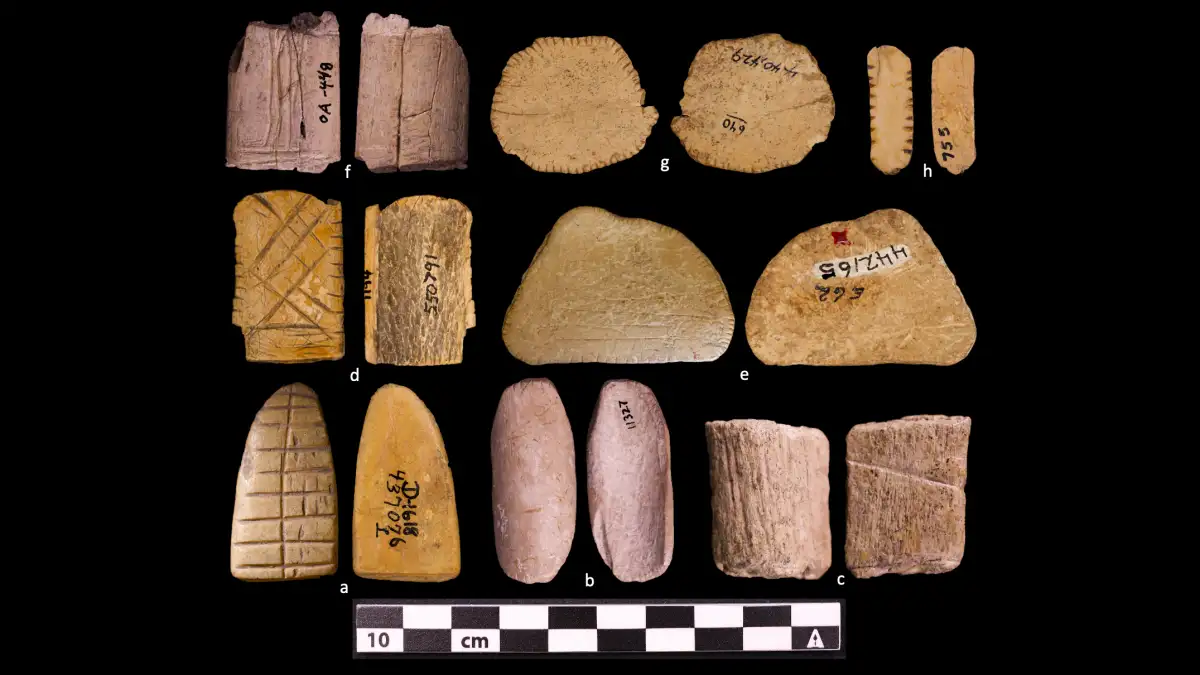
The concentration of these findings in the American West might reflect preservation patterns rather than a geographical exclusivity. The study suggests that such games of chance served as a social lubricant, facilitating group gatherings and trade even among peoples who did not share a common language. This points to indigenous North American communities possessing robust gambling traditions long before European contact.
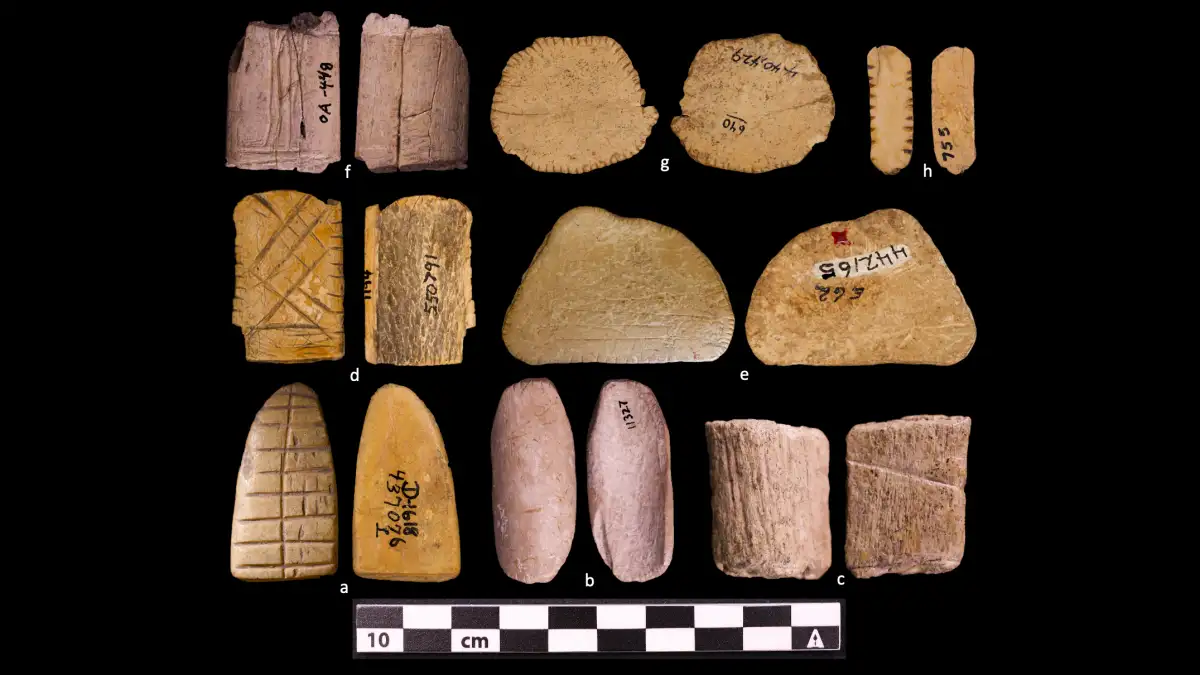
The significance of these discoveries extends to understanding the intellectual history of humanity. The existence of dice and games of chance implies that early humans grappled with concepts of probability and randomness, laying foundational groundwork for later scientific and mathematical thought. These findings challenge previous timelines for the origins of gambling, extending its history by millennia.
Historical Context of Gambling
While the recent discoveries focus on the Ice Age origins in North America, the broader history of gambling shows its presence across various ancient civilizations.
Read More: St. Augustine's ideas on justice help explain US politics
Mesopotamia and Rome: Early forms of gambling, including dice games and betting, were present in civilizations like those in Mesopotamia and were further developed by the ancient Romans and Greeks.
Europe: Gambling houses began to emerge in Europe, with cities like Venice pioneering these establishments, which later evolved into more elaborate casino resorts offering entertainment and accommodation.
Modern Developments: Gambling has adapted to modern times, with online gambling becoming a significant, albeit sometimes legally ambiguous, part of the landscape.
The journey of gambling, from rudimentary bone dice to complex digital platforms, illustrates a persistent human engagement with chance and its social, cultural, and intellectual implications throughout history.