The Artemis II mission's astronauts, now on their journey to the moon, have transmitted their initial images of Earth. These visuals, released by NASA, show the planet from a vantage point some distance away, with specific emphasis on continents like Africa and Europe, and the atmospheric phenomenon of the northern lights.
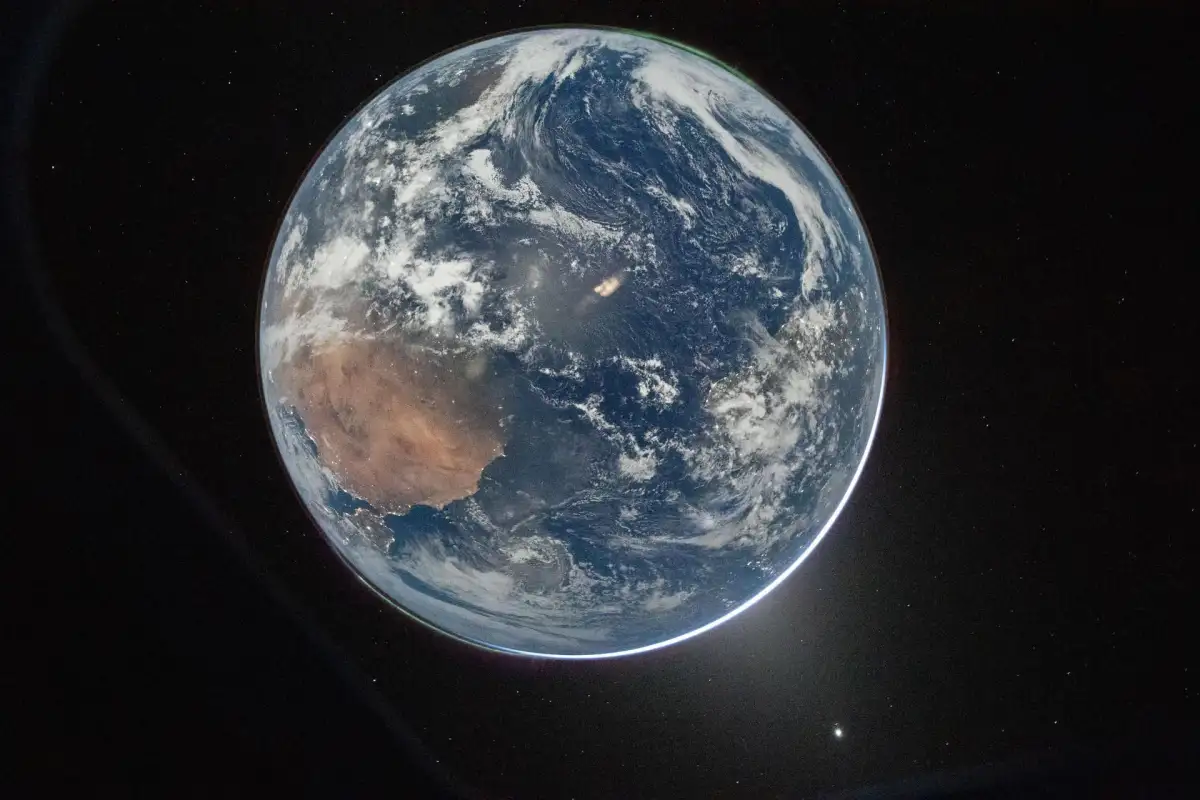
The images were captured aboard the Orion spacecraft following a critical engine burn that set the crew on their lunar trajectory. This mission, the first crewed flight of the Artemis program, is designed to test systems and procedures for future lunar operations, including extended stays and the establishment of a moon base. The crew consists of NASA astronauts Reid Wiseman, Christina Koch, and Victor Glover, alongside the Canadian Space Agency's Jeremy Hansen.
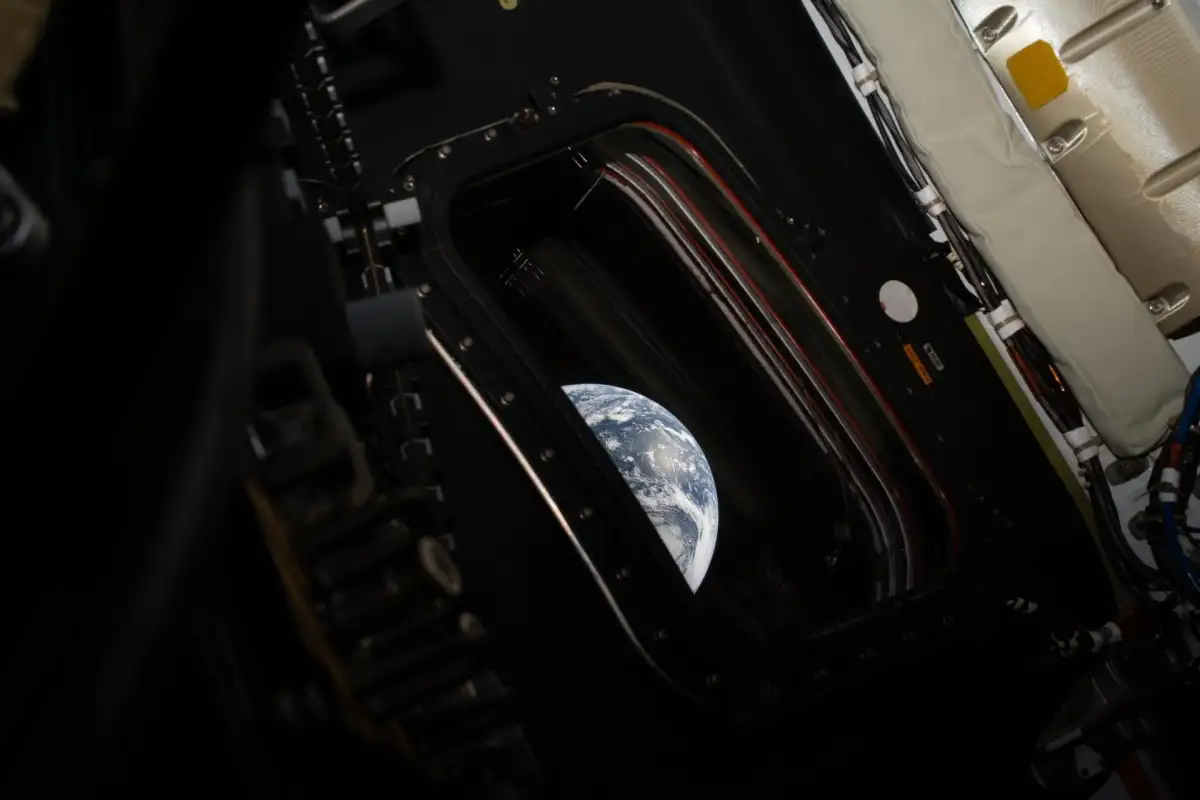
The mission's trajectory will take the astronauts around the far side of the moon on Monday, and they are expected to reach a record distance from Earth, approximately 252,021 miles. The primary objective, beyond testing hardware and procedures, involves gathering unprecedented views of the lunar far side.
Read More: US Space Force Victus Haze Mission Successfully Tests Orbital Intercepts
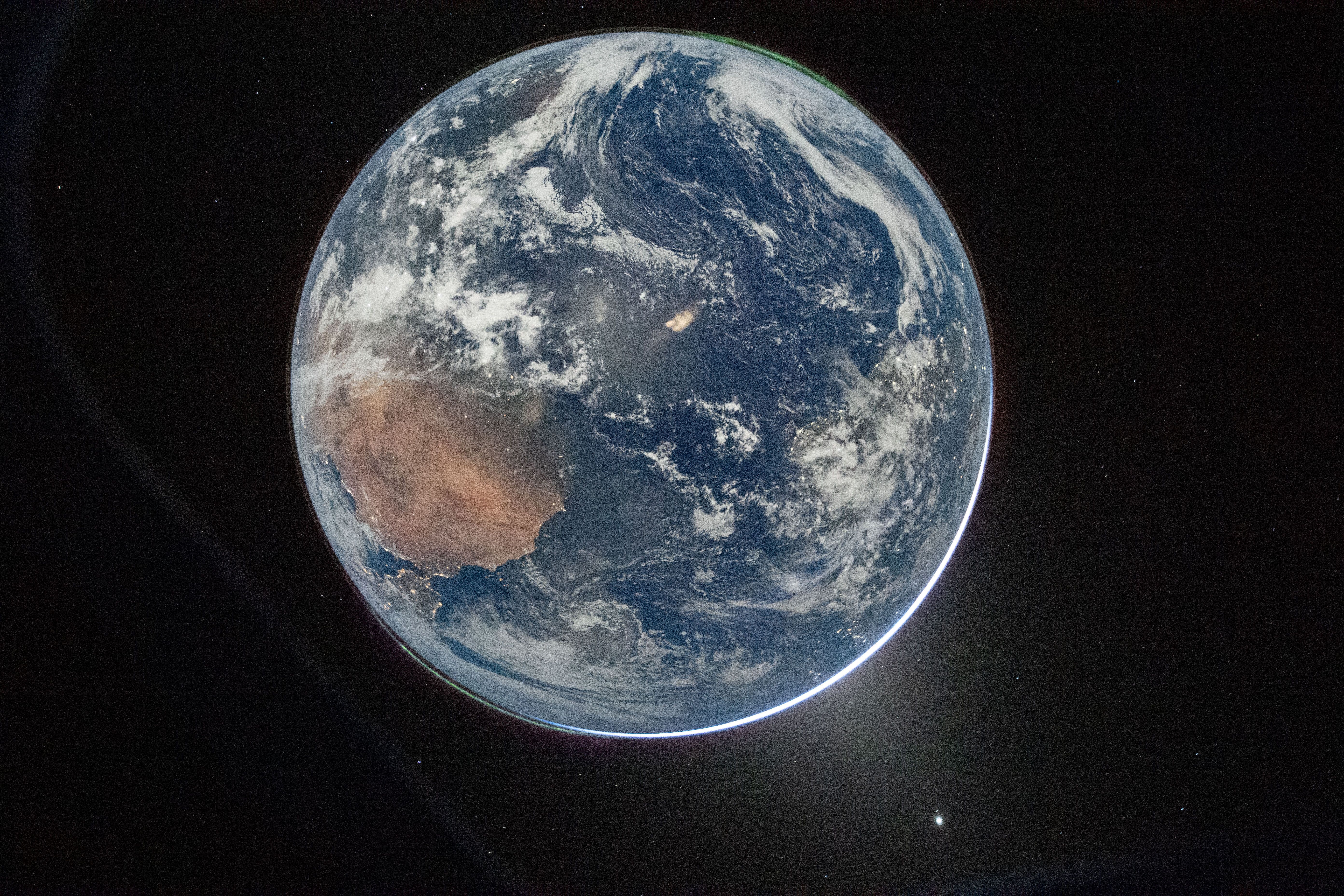
The photographs highlight Earth's "brilliant beauty" and its "nighttime glow," revealing the distribution of electric lights across its surface. One image specifically shows about a third of the planet appearing from behind the spacecraft's window. The crew's journey began with an engine firing on Thursday night, setting them on their path toward the moon. As of Friday morning, the crew was already 100,000 miles from Earth, with an additional 160,000 miles remaining to reach their lunar proximity.
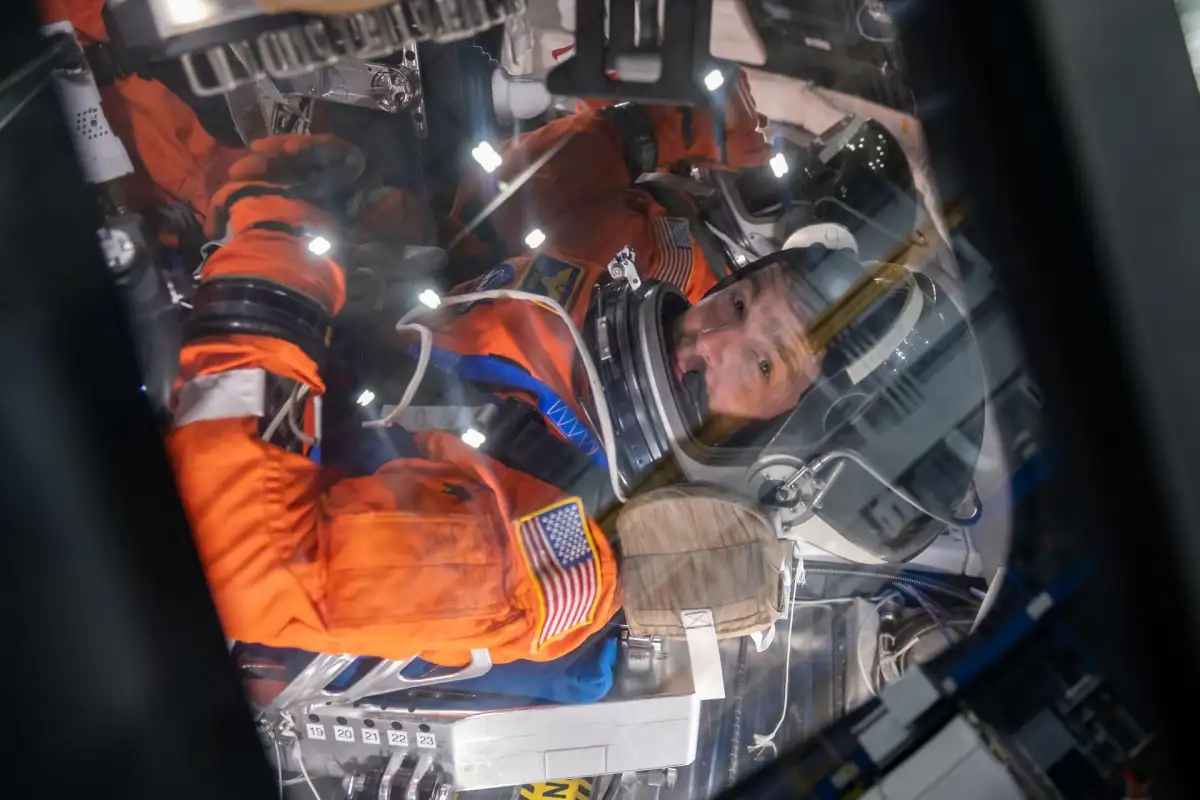
The Artemis II mission signifies a step toward longer-duration lunar stays and is considered a precursor to establishing a permanent presence on the moon. The crew is anticipated to travel farther from Earth than any human in history. The transmission of these initial images marks the first data downlinked from the Artemis II crew.