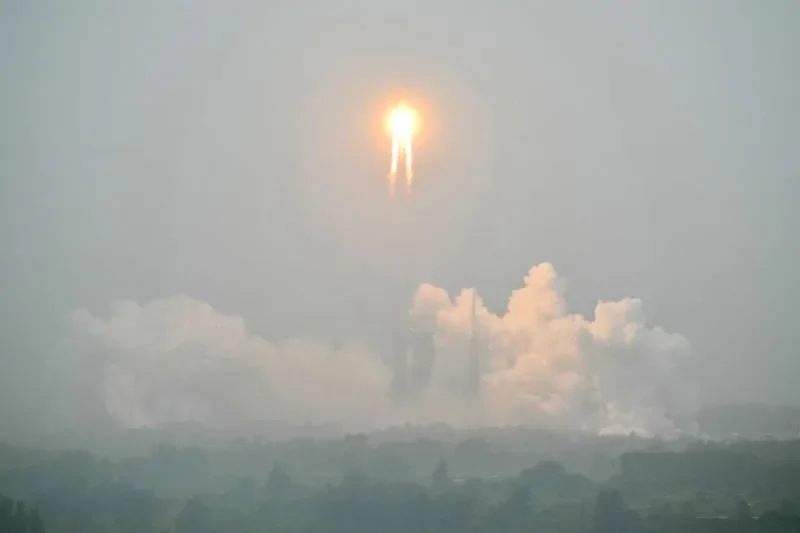
The lunar far side, often misconstrued as perpetually dark, presents a landscape markedly different from its Earth-facing counterpart. This disparity is fueling scientific inquiry into the Moon's formation and geological evolution, with recent findings pointing to colder temperatures, fewer heat-producing elements, and even surprising geological structures hidden beneath its surface. These discoveries are challenging existing models and prompting new approaches to lunar exploration.
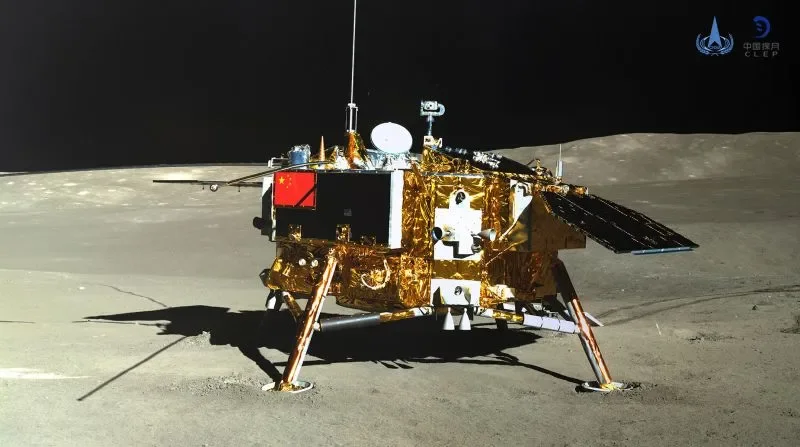
The far side of the Moon exhibits distinct geological and thermal characteristics compared to the near side. Key among these is a proposed deficiency in heat-producing elements, potentially explaining why this hemisphere is thought to be colder. Several theories attempt to account for this asymmetry, including a past collision with a smaller moon or the gravitational influence of Earth tugging heat-producing materials toward the near side. Furthermore, researchers have identified 'hidden structures' deep beneath the far side's surface, suggesting complex geological processes not readily apparent. The presence of a radioactive granite rock, a material usually associated with Earth's volcanic activity, adds another layer of mystery to the far side's past.
Read More: US Space Force Victus Haze Mission Successfully Tests Orbital Intercepts

Communication and Exploration Hurdles
Exploring the far side presents unique logistical challenges. Because it never faces Earth, communication requires relay satellites or orbital infrastructure. This necessitates innovative solutions for mission planning and data transmission. Despite these difficulties, the unique scientific opportunities offered by the far side, particularly its shielded environment for radio astronomy, are driving ambitious projects.
Rethinking Lunar History
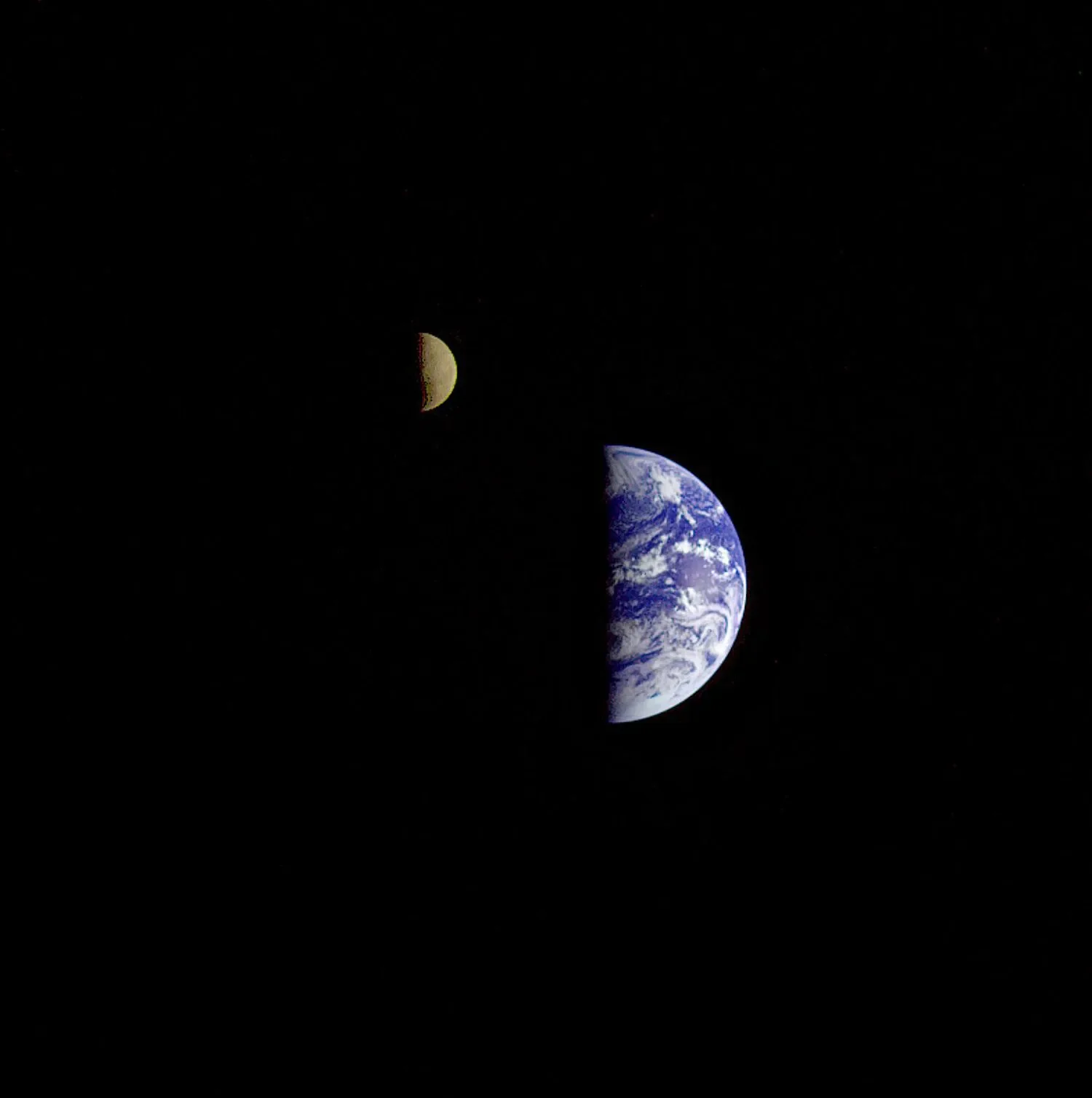
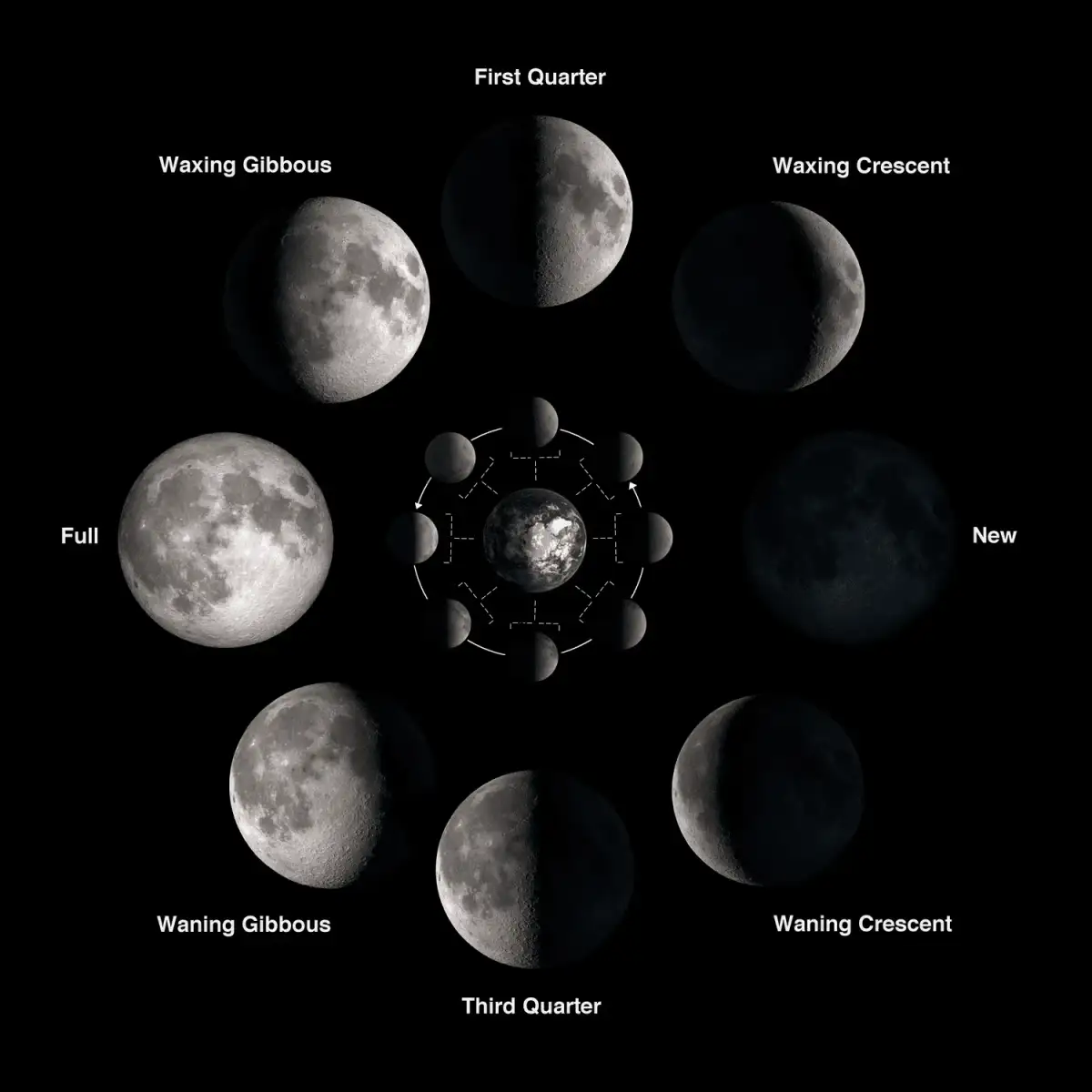
The Moon's asymmetry has long been a puzzle. While scientists understand synchronous rotation—why one side always faces Earth—the reason for the distinct geological features remains debated. Models suggest a thicker crust on the far side may have hindered magma from reaching the surface, leading to less volcanic activity and a drier, less chemically active environment than the near side. The discovery of these deep structures and unique rock formations challenges these simplified explanations, hinting at a more complex and dynamic lunar history.
Read More: Indigenous Data Rights Now Key in Conservation Genomics
International Collaboration and Future Prospects
As exploration missions progress, the far side is becoming a focal point for international scientific collaboration. The need to overcome communication and operational challenges is spurring technological innovation with potential applications beyond lunar exploration. These endeavors highlight the ongoing effort to unravel the Moon's enigmatic past and its role in the broader planetary science landscape.
Background: A "Two-Faced" Moon
The concept of a "two-faced moon" arises from observations that the far side's geology and composition differ significantly from the near side. Darker patches on the Moon, known as maria, are areas of ancient volcanic basaltic flows, which appear more prevalent on the near side. Conversely, the lighter areas represent the Moon's older, primordial crust. Theories suggest that early in its history, a massive impact on the far side may have disrupted its internal structure, pushing denser, heat-producing materials towards the near side. The far side, in this context, is often described as more heavily cratered and potentially drier, with less evidence of extensive volcanic resurfacing. Its natural shielding from Earth's radio noise also makes it an attractive location for sensitive radio telescopes.
Read More: JWST Finds Oldest Barred Spiral Galaxy M1149-BSG-z5