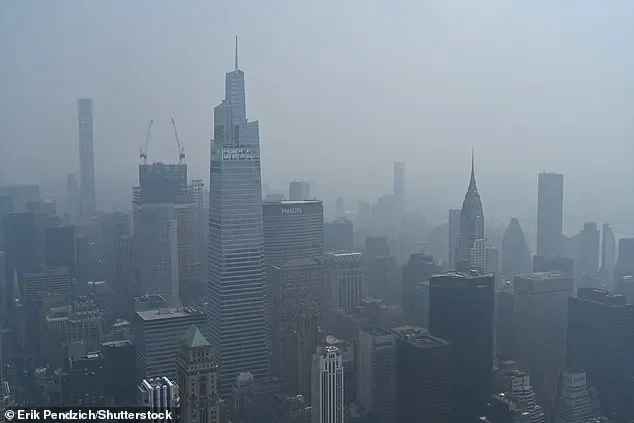
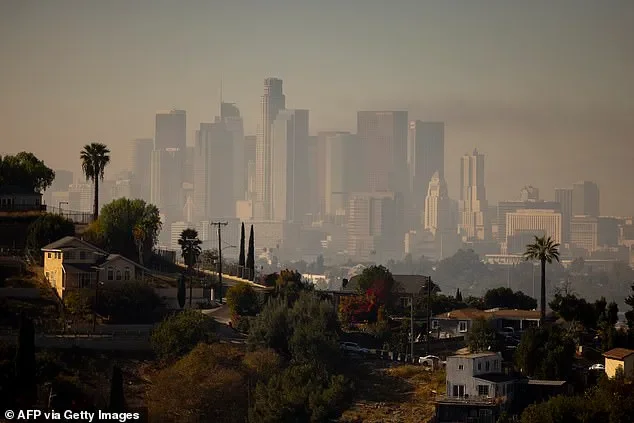
As of today, April 7, 2026, the National Weather Service has issued urgent air quality alerts across 16 states. Residents in Arizona, California, Colorado, Connecticut, Indiana, Kentucky, Maine, Maryland, Massachusetts, New Hampshire, New Jersey, New York, North Carolina, Ohio, Pennsylvania, and Rhode Island are being advised to remain indoors to mitigate exposure to a hazardous mixture of eye-burning ozone, wildfire smoke, and fine particle pollution.
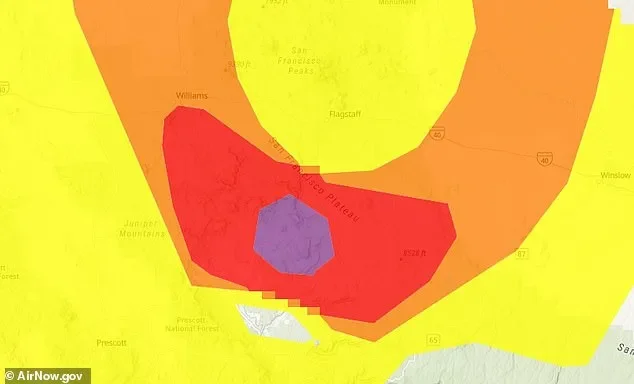
| Region | Primary Pollution Factors |
|---|---|
| Northeast/New England | Canadian wildfire smoke, ozone |
| West/Southwest | Windblown dust, ozone, particle pollution |
| Midwest/Mid-Atlantic | Combined ozone and fine particulates |
Current Environmental Status
The atmosphere across these regions has reached thresholds deemed unhealthy for broad segments of the population. In states like Connecticut, specifically within Fairfield, New Haven, Middlesex, and New London counties, authorities have declared an Air Quality Action Day. Officials report that ozone concentrations are expected to approach or exceed health-safety limits.
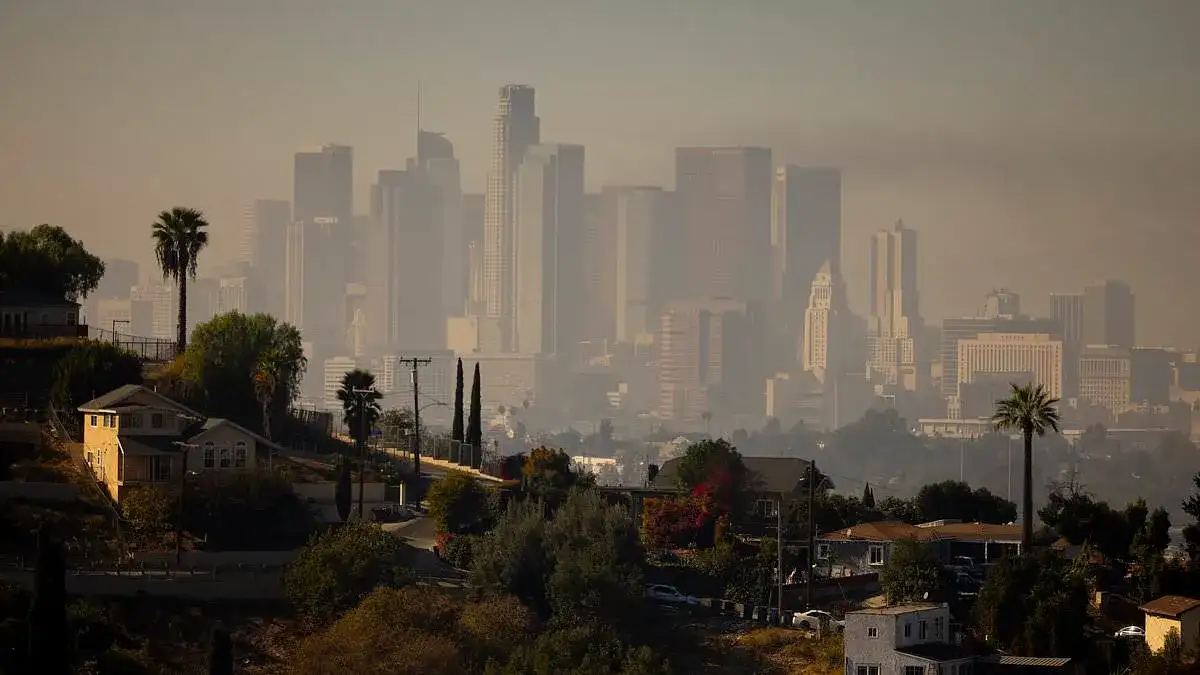
The crisis is multifaceted:
Particulate Matter: Fine particles from recurring wildfire activity are infiltrating urban centers.
Ozone Smog: Persistent heat and atmospheric stagnation are driving up ozone levels, which directly correlate with respiratory irritation.
Transboundary Influence: Smoke plumes, notably originating from the north, continue to drift across international borders, exacerbating conditions in the Maine corridor and beyond.
Operational Constraints
The guidance provided to the public remains consistent with previous seasonal patterns:
Restrict Exertion: Authorities explicitly warn against strenuous outdoor activities, which increase the intake of contaminated air.
Structural Mitigation: Residents are urged to seal living spaces, specifically by keeping windows closed and utilizing high-efficiency particulate air (HEPA) filtration in climate control systems.
Risk Management: Exposure to these pollutants is documented to exacerbate existing cardiovascular conditions and cause immediate physical symptoms, including ocular burning, coughing, and respiratory distress.
Contextual Development
This event reflects an increasing frequency of air quality volatility. While previous records from the 2025 season highlight similar patterns involving wildfire smoke migrations, today's situation demonstrates a broad, simultaneous strain across diverse geographical zones—from the Front Range Urban Corridor in Colorado to the coastal regions of the Northeast.
Read More: Amazon Land Use Changes Cause Disease Clusters in Brazil

The accumulation of these atmospheric Pollutants indicates that regional air quality is now tethered to large-scale, often uncontrollable environmental triggers. Whether the current Health-Alerts serve as a seasonal anomaly or a recurring reality of modern ecological shifting remains a subject of ongoing Air-Quality-Monitoring. Monitoring stations across the affected states are expected to report fluctuations in toxicity levels as meteorological patterns shift in the coming days.