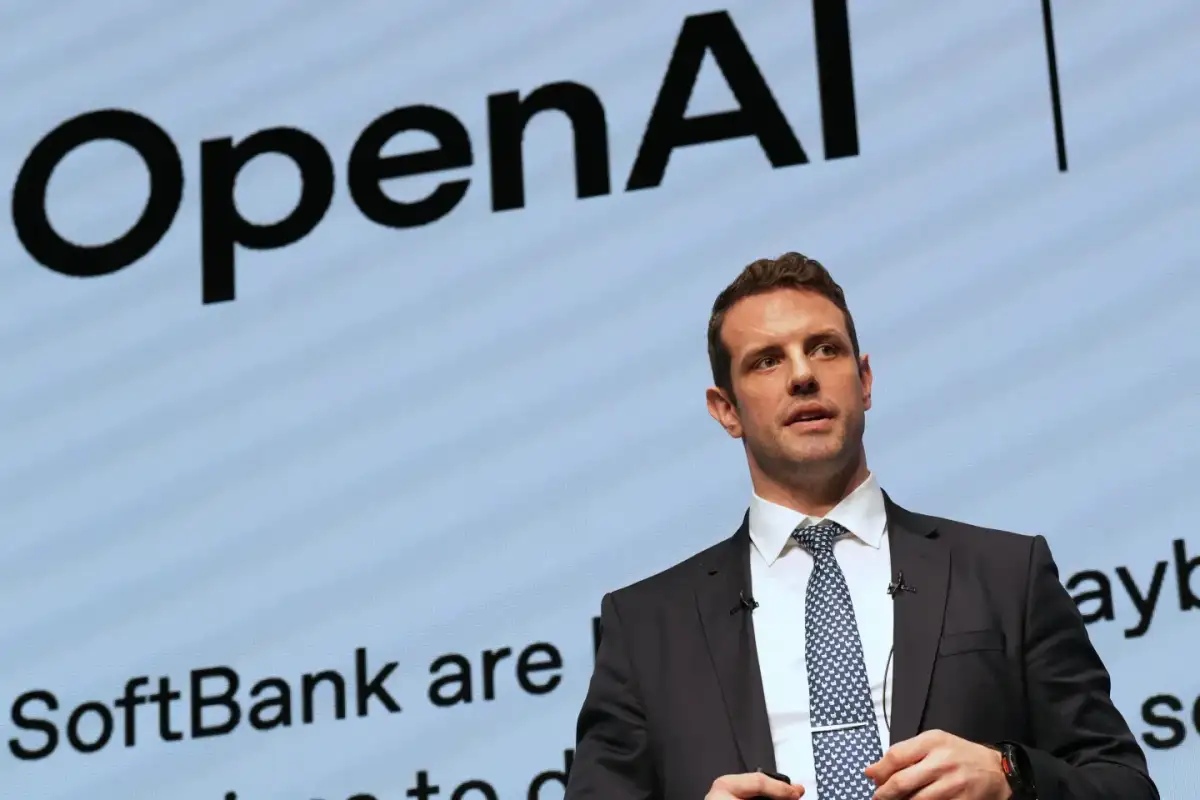
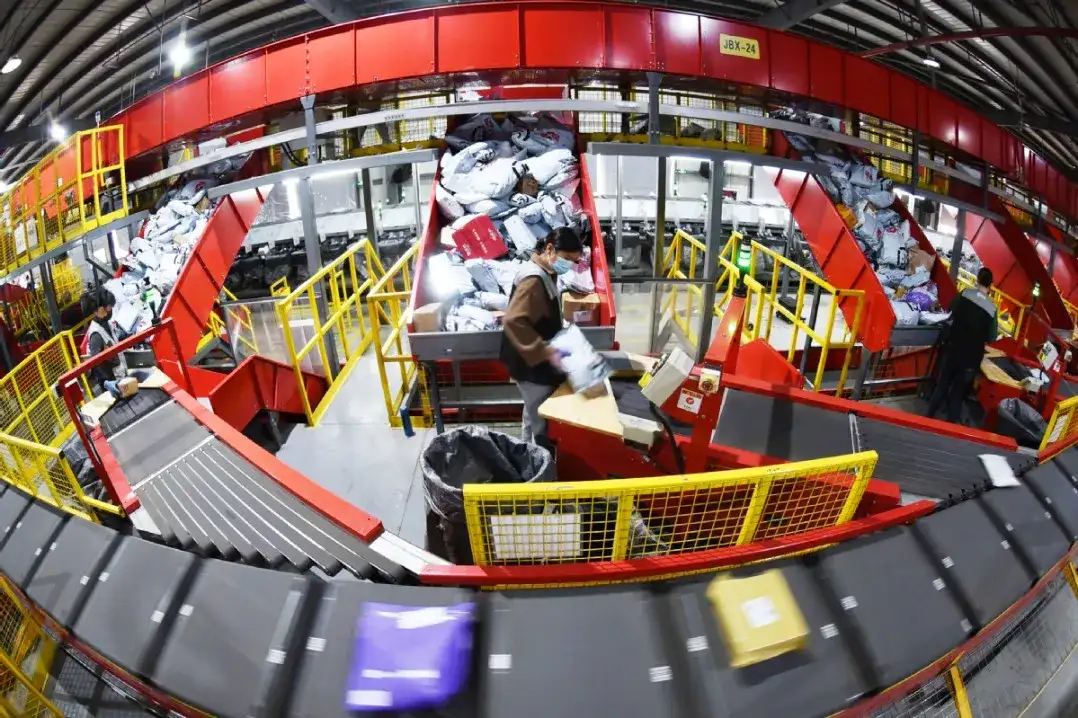
Goldman Sachs economist Joseph Briggs has projected that the integration of artificial intelligence will result in the displacement of approximately 15 million American workers over the next decade. The findings suggest that while the technology acts as a catalyst for profound structural change, its net impact on the labor market remains a subject of intense debate between advocates of creative destruction and those wary of rapid industrial volatility.
The primary shift involves a transition where AI automates specific task clusters rather than entire roles, creating a paradox of productivity growth versus job obsolescence.
Current Landscape and Labor Projections
The labor market is currently navigating the early phases of AI integration. Observations indicate that:

AI adoption is notably lower among small and midsized enterprises, which has tempered immediate, economy-wide unemployment spikes.
Productivity gains are presently concentrated in information, finance, and professional services sectors.
Analysts like Neil Thompson of MIT argue that technical capability does not guarantee rapid deployment, as logistical hurdles, privacy regulations, and implementation costs act as natural frictions to corporate adoption.
| Perspective | Core Argument |
|---|---|
| Goldman Sachs (Briggs) | 15 million jobs displaced via task-level automation over 10 years. |
| Industry Optimists | Historical trends suggest new categories (e.g., AI architects, model evaluators) will offset losses. |
| Critical Skeptics | Regulatory barriers and infrastructure costs suggest a slower, more uneven transition. |
The Friction Between Efficiency and Employment
The Labor Market trajectory is not yet fixed. Economists suggest the outcome depends heavily on corporate intent: if firms prioritize aggressive cost-cutting over workforce augmentation, the risk of higher unemployment increases. Conversely, historical precedents of Technological Innovation typically illustrate that productivity improvements eventually foster the creation of unforeseen occupational niches.
Read More: New ways to measure AI's impact on jobs and economy
Despite reports of "AI-driven" layoffs in the technology sector, experts like Andy Challenger observe that AI is increasingly cited as a rationale for downsizing, yet OpenAI CEO Sam Altman has noted that the impact on white-collar, entry-level positions has been less severe than early forecasts anticipated.
Contextual Underpinnings
The current discourse relies on the Goldman AI Adoption Tracker, which maps the movement of firms from initial experimentation to the integration of generative AI into core workflows. While Elsie Peng and other economists acknowledge an "AI Job Apocalypse" narrative in some circles, the prevailing data points to an uneven, incremental transformation rather than a sudden systemic collapse. As of April 7, 2026, the long-term human cost remains an open variable, contingent on how businesses choose to manage the tension between machine efficiency and human labor.
Read More: New York Mets vs Atlanta Braves 7 April 2026 NL East game preview