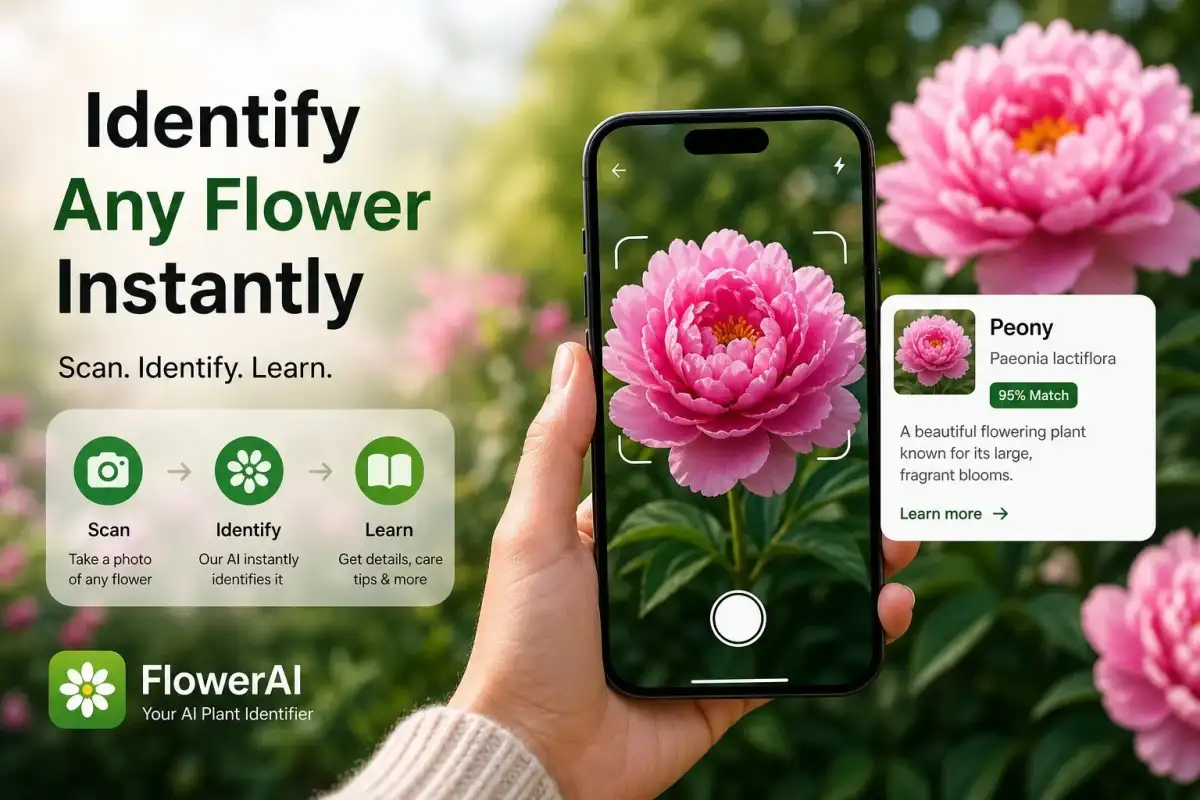
As of April 7, 2026, the intersection of handheld image recognition and amateur naturalism has solidified into a standard feature of mobile computing. New software, such as the recently released flormie, treats the identification of flora as a collection-based game, effectively mapping the digital ‘discovery’ loop—popularized by augmented reality games like Pokémon Go—onto physical botanical observation.
Software developers are transforming environmental engagement into a series of task-based loops, prioritizing collection, cataloging, and achievement unlocking over simple static identification.
| App | Primary Focus | Notable Mechanic |
|---|---|---|
| flormie | Casual Collection | Nature-walk 'gameplay' loop |
| Seek | Scientific Cataloging | Gamified species list/achievements |
| PictureThis | Safety/Diagnosis | Toxicity alerts for pets/children |
| PlantNet | Scientific Data | Contribution to research datasets |
| PlantSnap | Social Sharing | 'Instagram for plants' aesthetic |
Functional Fragmentation
The utility of these applications diverges based on the intent of the user. While casual interfaces aim for a low-barrier experience—turning a sidewalk into an interactive museum—others focus on high-precision diagnostics.
Data Integration: Some tools like PlantNet utilize user uploads to populate broader botanical databases, turning individual curiosity into citizen science.
Risk Mitigation: Applications like PictureThis pivot away from play, focusing on utility and safety, specifically warning users regarding toxicity.
Long-term Monitoring: Advanced platforms offer horticultural maintenance reminders, transforming the phone into a diagnostic tool for indoor and outdoor plant health.
The Mechanics of Identification
The underlying technology relies on machine learning models that scan and cross-reference imagery. The process is not merely informational; it is participatory. By framing nature as a list of species to be 'captured' via lens, developers capitalize on the psychological impulse to organize and quantify one's immediate environment.
Read More: Chrome mimeHandler API lets extensions handle file types
"When you add species to your observations, you build your own naturalist notebook. Over time, your list becomes a record of your adventures," as noted by platforms like Seek.
Background and Context
The rise of plant identification tools reflects a broader trend of digitizing sensory experience. Early iterations of these technologies focused on basic taxonomic data. Current 2026 iterations have pivoted toward user-retention mechanics. By utilizing camera-based image recognition, software companies now treat the physical landscape as a database to be mapped. While this increases accessibility to botanical knowledge, it simultaneously creates a layer of mediation between the observer and the observed, where the immediate value of a flower is secondary to its status as a data point in a personal collection.