Sound Trumps Sight in Preventing Mating Mix-ups
Birdsong plays a more significant role than feather color in preventing different bird species from breeding together, recent findings suggest. This new research scrutinizes the mechanics of hybridization, where distinct species interbreed. The central inquiry focused on how vocalizations and plumage, the bird's visual presentation, influence these interspecies pairings.
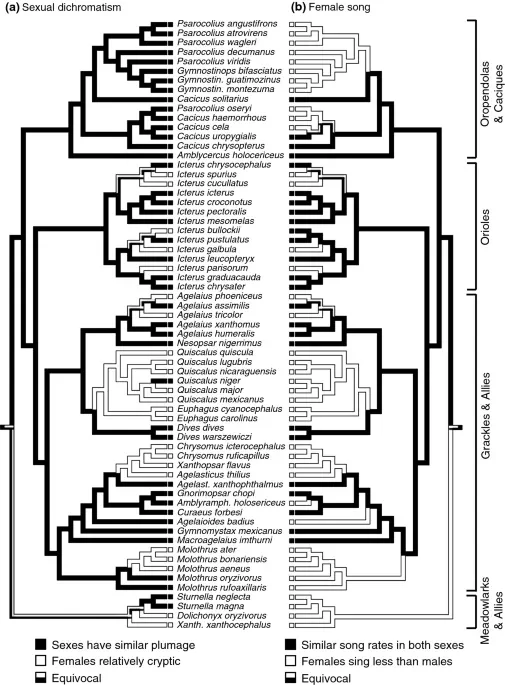
Researchers compiled extensive data on bird species and documented instances of hybridization over several decades. They then specifically examined species known to have hybridized. Comparing their songs and appearances, they sought to pinpoint similarities and differences. The core question: do species with starkly contrasting songs or plumage exhibit a lower propensity to hybridize compared to those that sound or look alike?
Beyond Bright Feathers: A Multifaceted Evolutionary Picture
The role of sexual selection in shaping bird traits like song and plumage is complex. While it's often assumed that elaborate male colors and songs evolve solely through male competition for mates, recent work suggests a broader evolutionary narrative. Evidence indicates that sexual dimorphism—differences between sexes in appearance or behavior—may arise from multiple selective pressures acting on both males and females, not just from sexual selection on males.
Read More: Indigenous Data Rights Now Key in Conservation Genomics

In some cases, shifts in female characteristics might be the primary driver behind these evolutionary divergences in songbirds. This challenges a singular focus on male display as the sole evolutionary engine for these traits.
Sperm Quality and Songbird Success
Separate lines of inquiry touch upon other factors influencing reproductive success in songbirds. For instance, studies have explored links between a male songbird's appearance and its reproductive fitness. Analysis of plumage and sperm characteristics across hundreds of songbird species has indicated that males with more elaborate and colorful plumage tend to possess longer sperm midpieces. This finding suggests that while flashy displays of color and vocalizations are part of the mating season, the underlying biological hardware, such as sperm morphology, also plays a part in reproductive outcomes.
Background and Context
Earlier research has delved into the evolutionary paths of song and plumage. One area of study has looked at New World orioles, specifically their convergent losses of elaborate female coloration. This points to a dynamic interplay of factors shaping the visual characteristics of different sexes within species. The question of whether sexual selection is the sole determinant for these differences has been a long-standing one in ornithology.
Read More: Bengaluru Photo Contest Adds 'Urban Wildlife' Category for 2026