Resident doctors in England remain in a state of professional impasse, having secured multiple mandates for industrial action over the past year. Despite significant wage adjustments, a fundamental breakdown in negotiations persists regarding pay, career stability, and systemic training shortages.

The conflict hinges on two distinct but overlapping fronts:

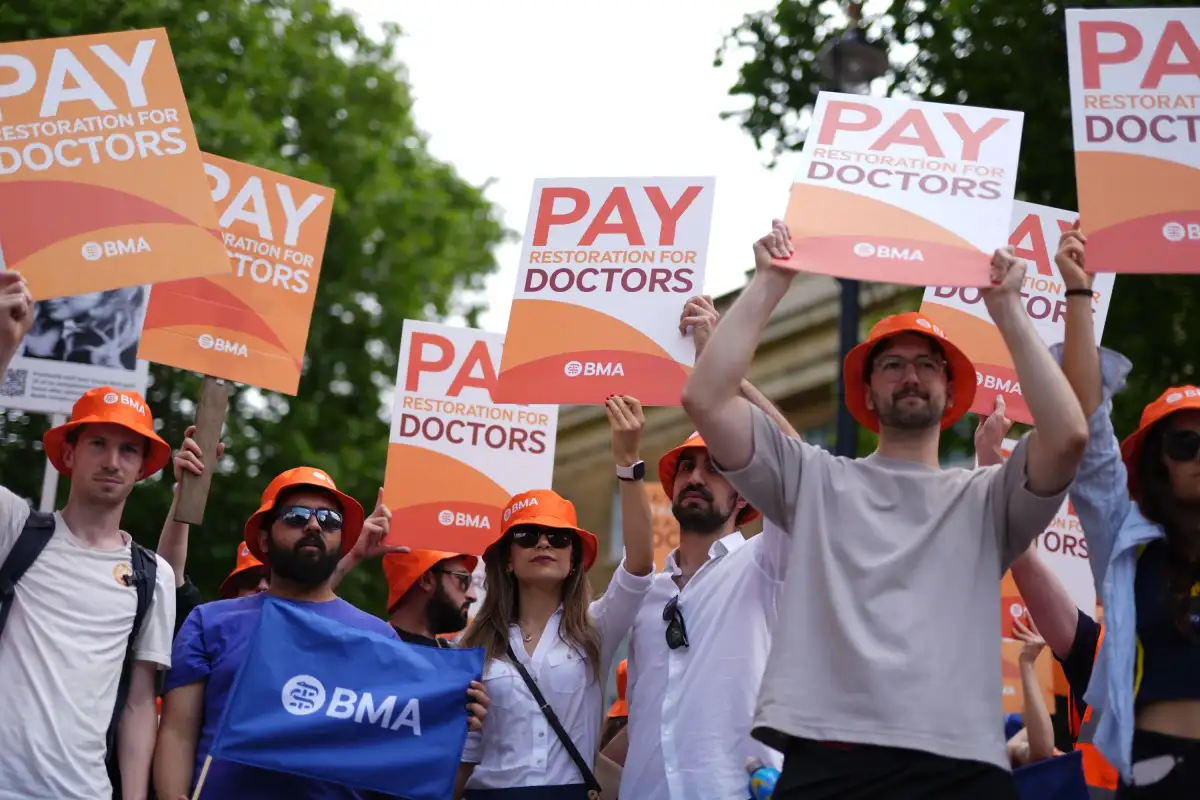
The Wage Gap: While the government cites a total pay increase of 28.9% over the last three years as evidence of progress, the British Medical Association (BMA) argues this is insufficient for full pay restoration.
Systemic Precarity: As of late 2025, doctors secured a separate, near-unanimous mandate for strikes specifically addressing the scarcity of specialist training posts and general insecurity in career pathways.
The Negotiating Gulf
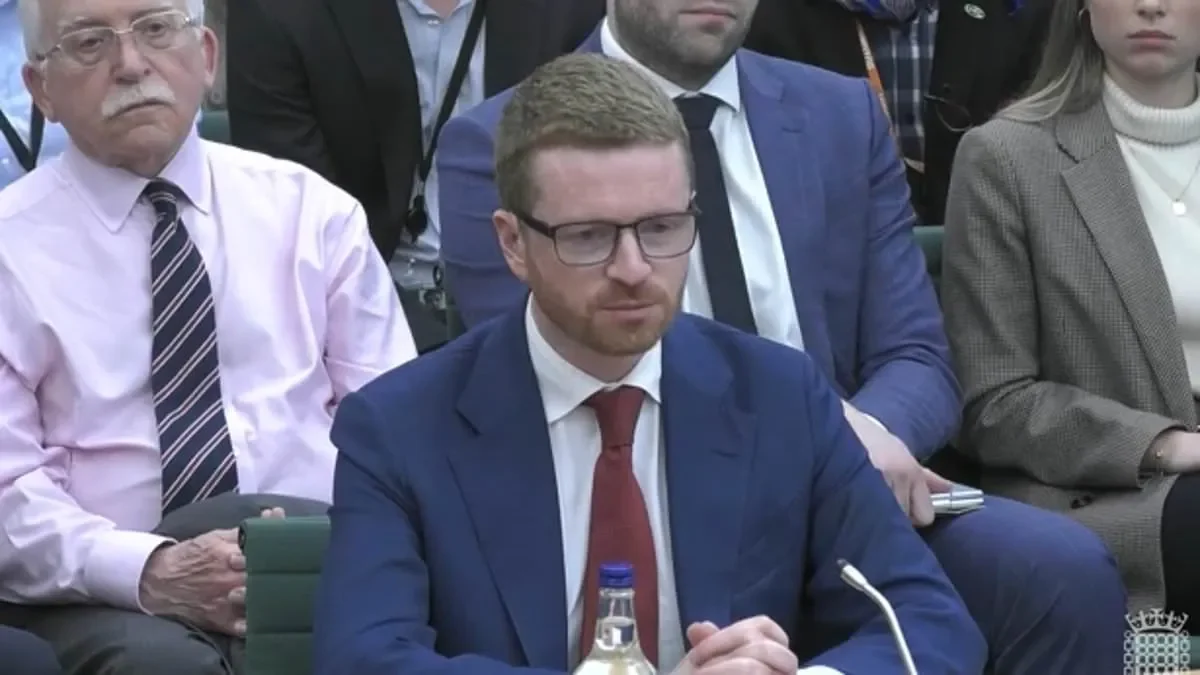
The rhetoric between the Department of Health and Social Care (DHSC) and the BMA reflects a hardening of positions. Health Secretary Wes Streeting has maintained a firm stance that the government will not reopen pay negotiations, characterizing the strike threats as detrimental to the National Health Service's ongoing recovery.

Conversely, the BMA committee co-chairs, Ross Nieuwoudt and Melissa Ryan, have repeatedly stated that industrial action remains a "last resort" and that the government possesses the agency to avert walkouts through direct dialogue. This leaves a structural tension: the BMA views these strikes as a reaction to a "withered profession," while government officials emphasize the burden on patients, citing the potential cancellation of hundreds of thousands of operations.
Read More: India IVF Costs And Social Barriers Limit Access In April 2026
| Perspective | Core Grievance | Government Counter-position |
|---|---|---|
| BMA (Union) | Real-terms pay decline; training voids | Claims "pay restoration" is already underway |
| DHSC (State) | Disrupts NHS recovery/waiting lists | Argues for fiscal responsibility and fixed agreements |
Institutional Friction
The internal dynamics of the union ballot reveal a complex reality. Government data suggests that only about one-third of the total resident doctor workforce voted in favor of strike action during recent ballots. However, this has not dampened the operational capacity of the BMA to organize effective walkouts, such as the five-day action staged in July 2025.
NHS Confederation leadership has expressed concern that these serial disruptions could trigger a contagion effect, potentially emboldening other health worker groups to revisit their own pay and condition settlements.
Historical Context
This cycle of dispute marks a departure from the initial post-election optimism following the 2024 general election. Initially, there were expectations that the shift in administration would stabilize the relationship between the workforce and the executive. Instead, the dispute has deepened as the focus expanded from pure compensation to the structural crisis of specialist training posts. As of April 2026, the dispute continues to shadow the health sector, with neither side displaying a willingness to concede on their primary conditions for a final settlement.
Read More: Tess Daly wears wedding ring in London after split from Vernon Kay