NATION NEGOTIATES AMID REGIONAL FUEL FEARS
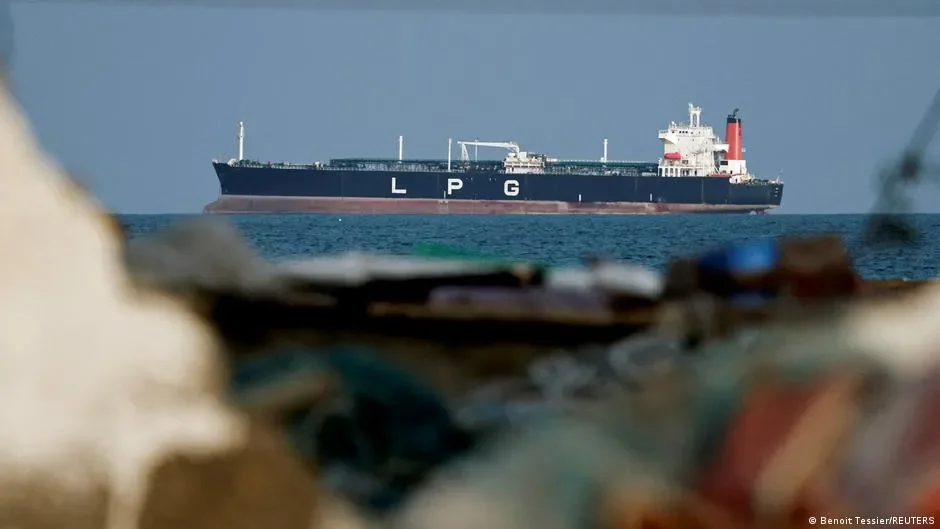
Australia is engaged in urgent discussions with regional powers, notably China and Japan, over critical fuel supplies. These talks occur as shipments from the Middle East to Asia are reportedly nearing depletion, creating a volatile energy landscape. The prospect of the Albanese government enacting measures such as price caps or export restrictions on the nation's liquefied natural gas (LNG) supply is on the table.

The precariousness of global fuel availability has positioned Australia's own abundant gas reserves as a significant leverage point in these high-stakes negotiations.

CHINA'S EXPORT SHIFT IMPACTS SUPPLY
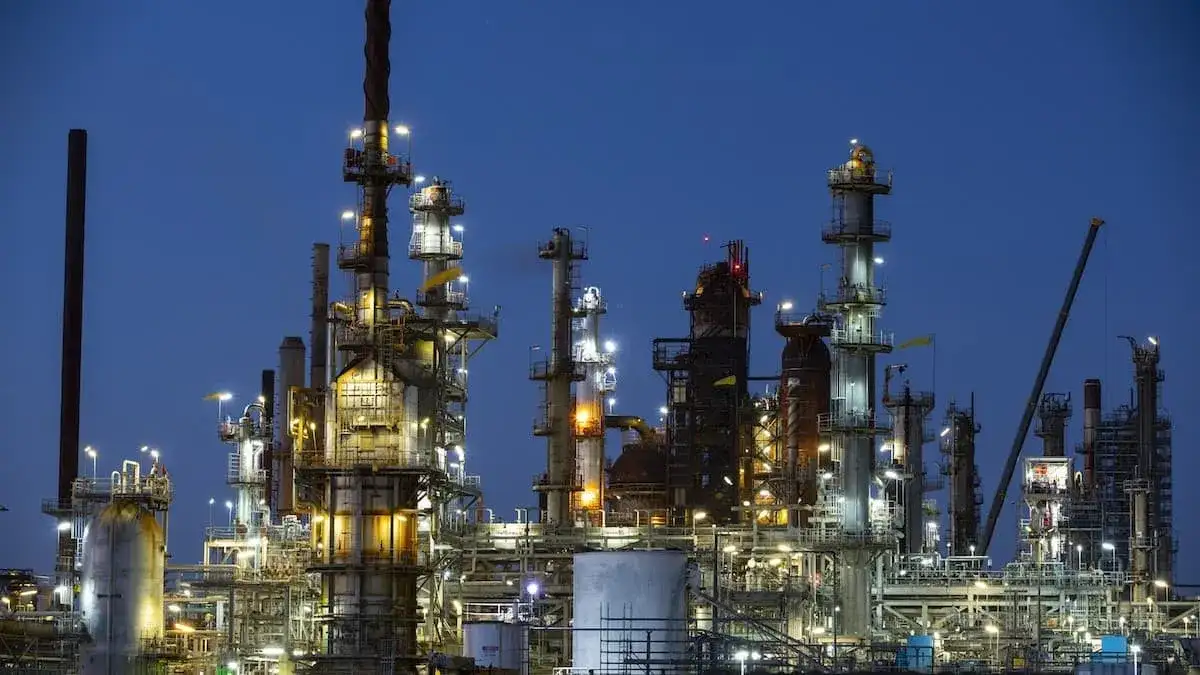
China's directive to its refineries to halt fuel exports presents a direct challenge to Australia's preparedness, potentially exposing the nation to shortages within a month. This development follows a period where Energy Minister Chris Bowen acknowledged the potential for such disruptions, driven by Middle Eastern conflict and the subsequent global scramble for energy resources. The price of oil has surpassed $US100 a barrel. China's instruction to cancel fuel export contracts could affect at least two shipments destined for Australia.
Read More: Strait of Hormuz Blocked: 20+ Nations Ready to Intervene as Oil Prices Hit $126
AUSTRALIA'S COUNTER-OFFER TO SECURE FUEL
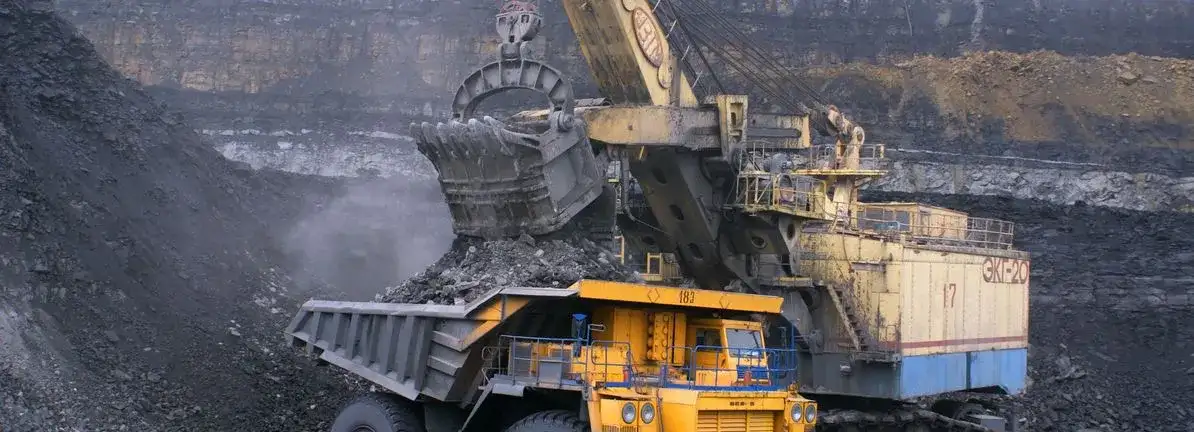
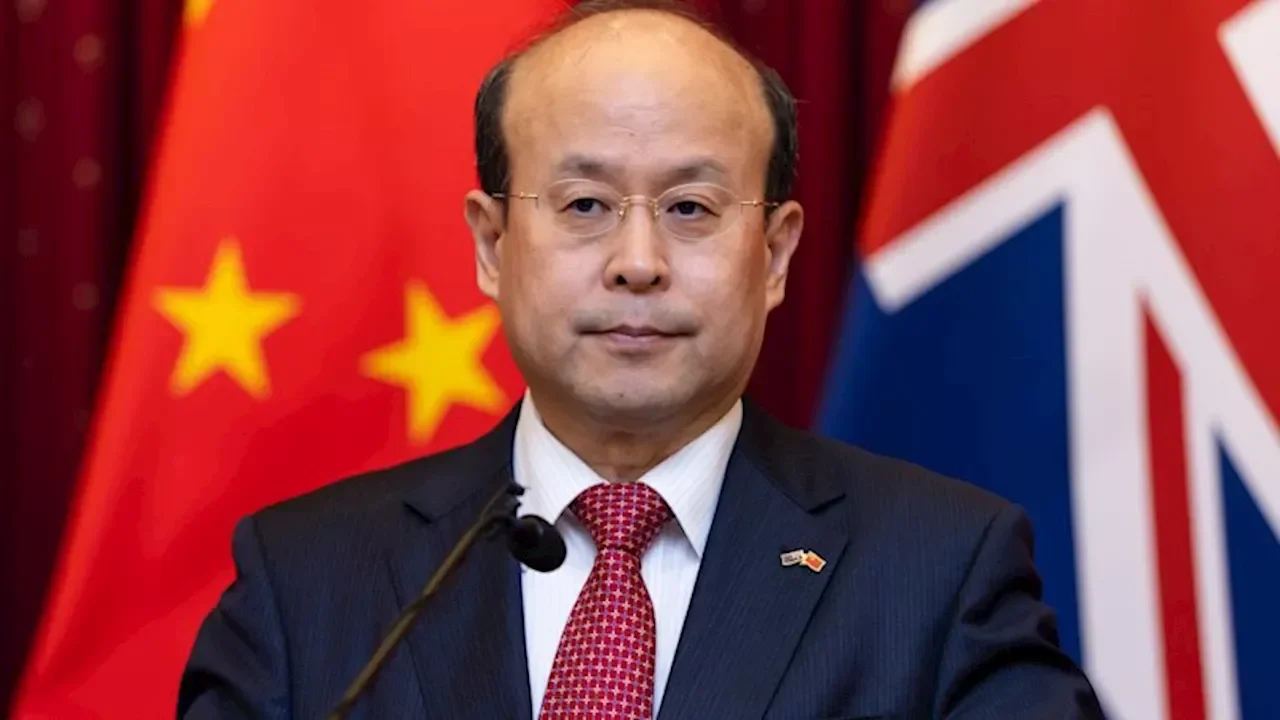
Amidst concerns of fuel shortages and potential rationing, with hundreds of service stations across Australia already reporting low supplies, the government is exploring ways to maintain its fuel inflow. Australia is reportedly offering its own coal and gas exports to Asian partners, such as South Korea and Malaysia, in exchange for securing continued oil exports. This strategy aims to shore up regional supply chains. It is noted that approximately 40 percent of Japan's LNG imports originate from Australia, with China, South Korea, and Taiwan also being major buyers.

IMPORT ARRIVALS AND DOMESTIC FEARS
Despite reports of China's export ban, Energy Minister Chris Bowen has stated that all fuel shipments scheduled for Australia have arrived as planned. Nevertheless, China's exports previously constituted 32 percent of Australia's jet fuel stockpile, indicating that cancelled shipments could still significantly threaten overall supply, with potential knock-on effects on flights and travel. Concerns about domestic fuel availability persist, with fears of price gouging prompting meetings between fuel retailers and the ACCC.
Read More: Iran oil sanctions temporarily lifted for oil already on ships in Tehran
BACKGROUND: RIPPLE EFFECTS OF CONFLICT
The current energy situation is underscored by ongoing conflict in the Middle East, which has disrupted established supply routes and heightened global demand. This has led to a reactive international market where nations are vying for limited resources. Australia, while a significant energy producer, is also a substantial importer of refined fuels, making it vulnerable to shifts in international export policies and supply chain integrity. The domestic impact is felt at the pump, with reports of service station closures and a public anxious about reliability and cost.