CRITICAL IMPORTS THREATENED BY REGIONAL SHIFTS
Australia's reliance on Asian partners for essential fuel imports, particularly jet fuel and refined petroleum products, faces significant disruption due to shifting export policies and escalating geopolitical tensions in the Middle East. This precarious situation, with the nation importing over 80 percent of its petrol, diesel, and jet fuel, stems from a supply chain designed for continuous delivery rather than substantial domestic reserves.
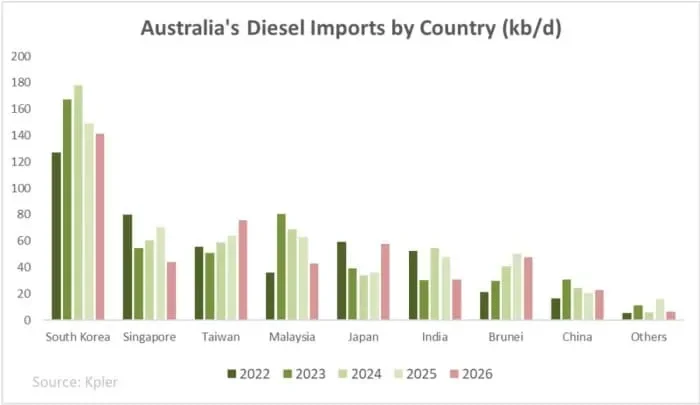
Reports indicate that two of Australia's largest sources of jet fuel, South Korea and China, are signaling potential restrictions on exports. South Korean airlines have petitioned their government to prioritize domestic supply, a move that could affect half of Australia’s jet fuel imports. China, a supplier of a third of Australia's jet fuel, has reportedly already moved to curtail exports, though assurances have been given for supply until late April or early May.
Read More: Centrus Energy Stock Drops 6.8% After DOE Funding For Nuclear Fuel Expansion
LEVERAGING EXPORTS AMIDST SCARCITY
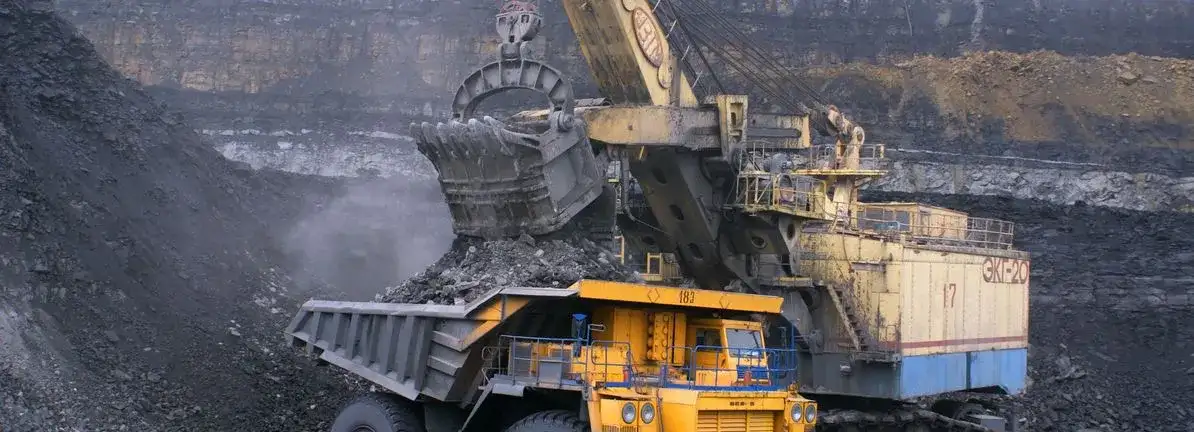
In response to these looming shortfalls and potential rationing experienced at domestic service stations, Australia is actively seeking to leverage its own energy exports. The nation is reportedly using its coal and liquified natural gas (LNG) exports as a bargaining chip to secure vital fuel supplies from Asian allies like South Korea and Malaysia.

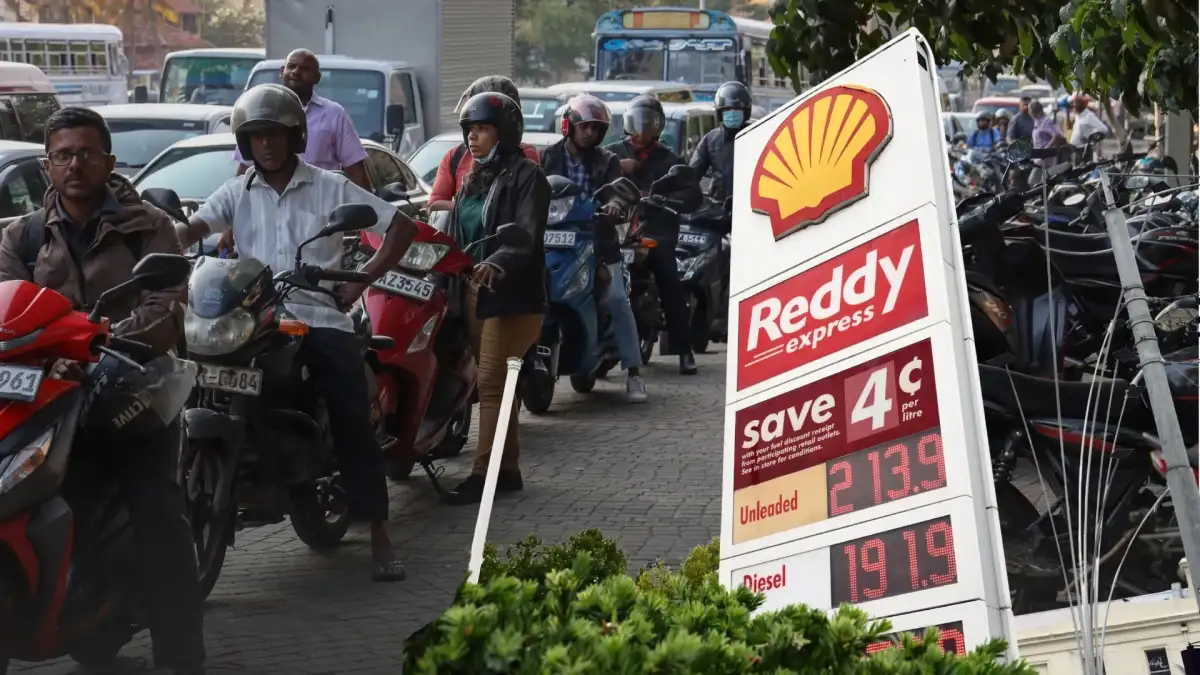
Hundreds of Australian service stations have already flagged fuel shortfalls, intensifying concerns. This strategy involves offering gas and coal in return for maintaining regional fuel flow. Australia plays a significant role in supplying LNG to major Asian economies, including Japan, China, and South Korea, providing a point of leverage in these negotiations.

GEOPOLITICAL REALIGNMENTS AND DOMESTIC VULNERABILITY
The broader energy landscape is being reshaped by events in the Middle East, with implications for Australia's supply security. The ' Strait of Hormuz ' remains a critical chokepoint, with recent ultimatums to Iran heightening concerns over shipping disruptions. Australia's heavy reliance on this route for its imported fuel makes it particularly vulnerable.
Read More: Alan Plummer's Death Linked to 'Ring of Death' After Financial Ruin
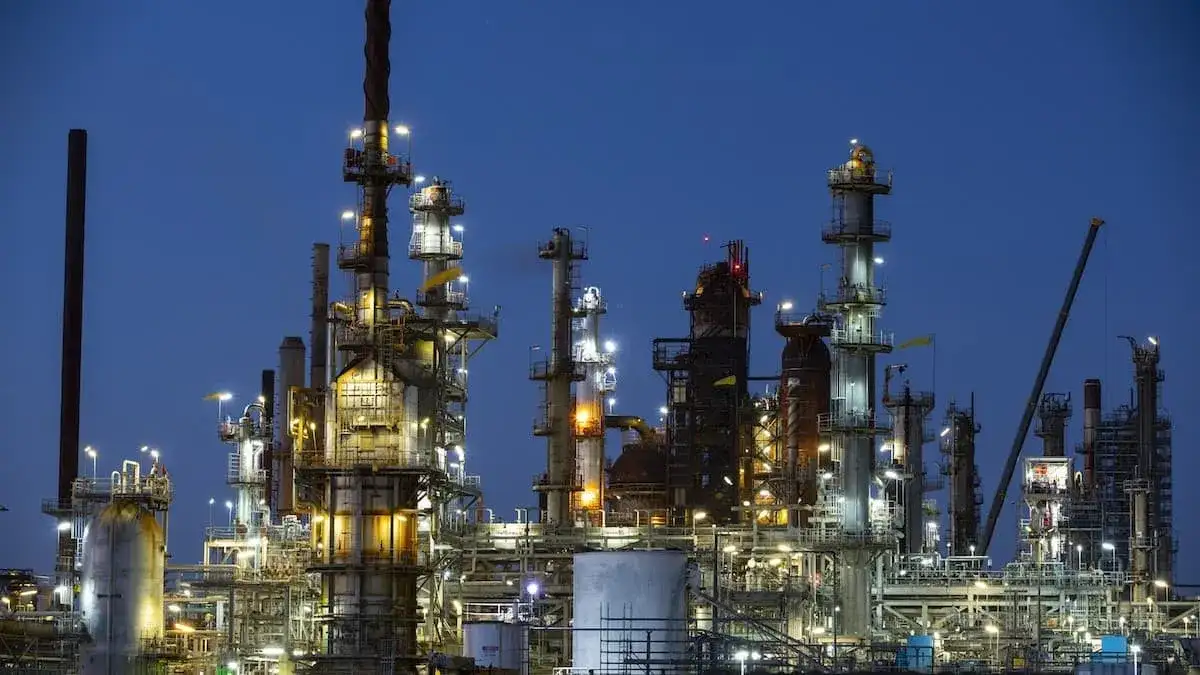
Australia's domestic refining capacity offers little respite, with refineries producing a profile of fuels that mismatches current demand, particularly a higher output of gasoline compared to the greater domestic need for diesel. This internal shortfall exacerbates the dependence on overseas markets.
Prime Minister Anthony Albanese and his Singaporean counterpart Lawrence Wong have issued a joint statement expressing deep concern over the situation in the Middle East and its consequences for energy supply chains. They called on other trading partners to join them in ensuring global energy supply chains remain open.
BILATERAL ARRANGEMENTS AND LONG-TERM IMPLICATIONS
The ' Australia-Singapore ' energy security arrangement, underpinned by a strong bilateral relationship, highlights how geopolitical alignments may become a critical factor in navigating the rearranging global energy map. Singapore, a key regional producer of refined fuels, also relies on imports for its crude oil.
Meanwhile, countries like Vietnam have reportedly notified carriers of doubling or tripling jet fuel prices at local airports, signaling the widespread impact of these supply pressures. Australia has previously experienced ' fuel rationing ', and officials are now closely monitoring weekly fuel stock updates, a shift from quarterly reporting, indicating the heightened level of concern.
Read More: Australia Fuel Shortage: 6 Ships Delayed, Government Says Supply OK for March-April