

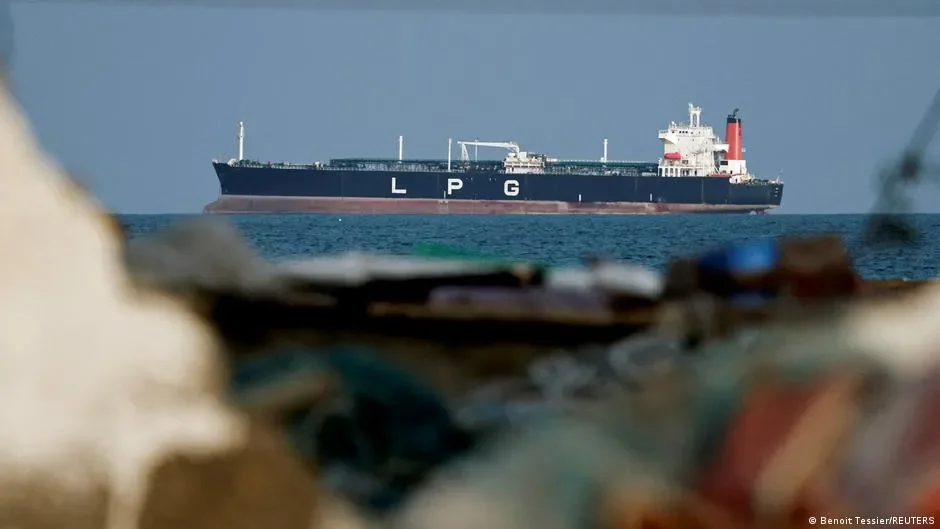
Iranian lawmakers have indicated a shift in the regime's posture regarding the Strait of Hormuz, with reports suggesting a $2 million charge is being levied on passing vessels. This move, described by one MP as a "new governing regime" and a consequence of "war costs," appears to assert Iran's authority over the critical waterway. Maritime intelligence suggests a dramatic reduction in traffic through the strait, with some vessels rerouting and Gulf energy exports declining. The precise implementation and systematic nature of these fees remain unclear, with some reports indicating quiet, non-systematic payments by select vessels.
A New Authority in the Waterway
Alaeddin Boroujerdi, an Iranian MP and member of the parliament's national security committee, is quoted as stating that the charge signifies the "authority and right that the Islamic Republic of Iran possesses." This declaration frames the imposition of fees as an assertion of sovereignty and a consequence of ongoing conflict, presumably with the United States and Israel. The remarks were made following warnings from US President Donald Trump about potential strikes on Iranian power infrastructure if the strait remained closed.
Read More: Australia Offers Coal for Oil as China Halts Fuel Exports Amid Supply Fears
Traffic Disruption and Economic Ramifications
Maritime intelligence firm Windward AI reported a "near collapse" in Strait of Hormuz traffic, with a stark decline in recorded crossings over the past week. This disruption has coincided with a drop in Gulf energy exports, particularly crude and LPG flows. Saudi Arabia, a major oil exporter, is reported to have lost access to a significant portion of its export capacity through the Gulf since Iran's reported closure of the strait earlier in March. The mechanism for these payments and the specific vessels affected are not entirely clear, with indications that some payments have been handled discreetly.
Underlying Tensions and International Law Questions
The situation unfolds against a backdrop of escalating tensions, with Iran's actions seen as a leverage point amid its conflict. The imposition of tolls raises questions about their legality under international law, though this aspect is not elaborated upon in the provided reports. The Iranian foreign ministry has not provided immediate comment amidst reports of telecommunications restrictions. The broader implications for global energy markets and shipping security remain a significant concern.
Read More: Saudi Prince Pushes US for More Iran Military Action After Israeli Successes


