The global energy corridor has effectively seized. As of late March 2026, over 20 nations have signaled a formal readiness to intervene in the Strait of Hormuz, a waterway currently operating at 5% of its typical commercial capacity. While these states invoke the language of international law and maritime security, the reality remains a fractured landscape where commodity flow is determined less by treaties and more by the selective permission of Tehran.

| Metric | Status / Data |
|---|---|
| Operational Traffic | ~95% decrease (post-Feb 28) |
| Market Impact | Brent crude >$126/barrel |
| Casualties | 12+ seafarers killed/missing |
| Status | Effectively blocked |
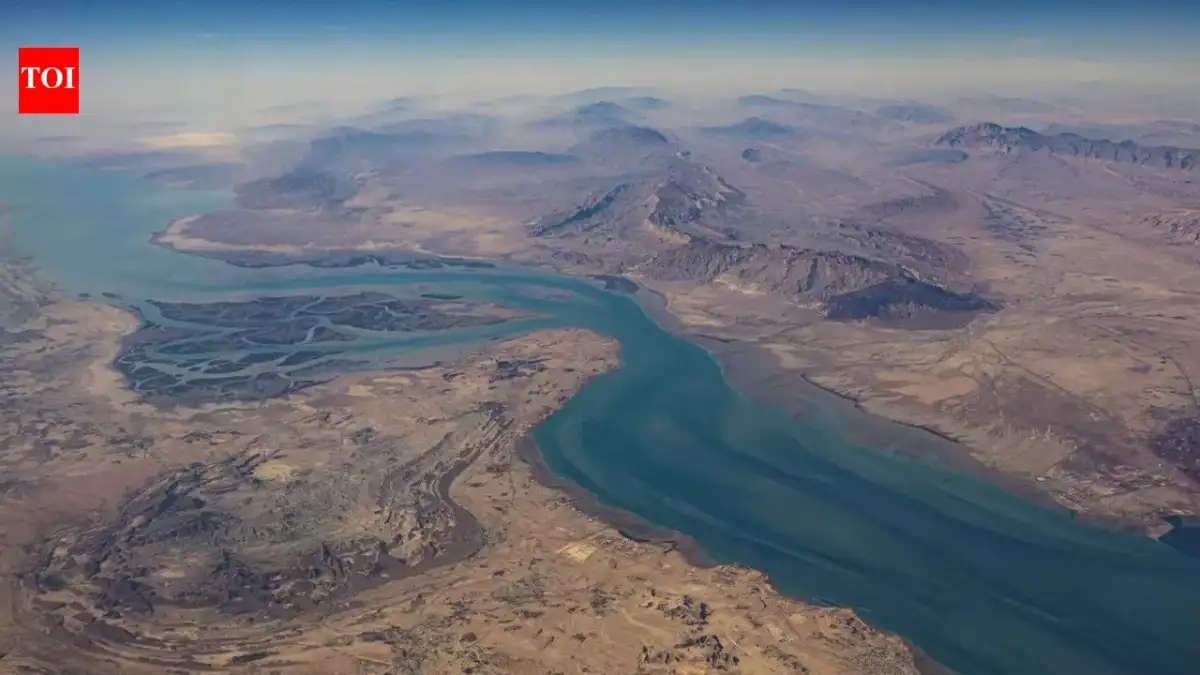
The signal is clear: the architecture of global energy trade has decoupled from established security norms. Despite a high-volume chorus of diplomatic concern, physical naval operations remain largely stalled by the technical impossibility of securing a 21-mile chokepoint against asymmetric warfare tactics like drone swarms and mine-laying.
A Disjointed Coalition
The expansion of the "20+ nation" pledge reflects a scramble for relevance in an unfolding geopolitical crisis. While the United Kingdom, France, Germany, Italy, Japan, and Canada anchor the diplomatic push, the practical enforcement mechanisms are notably absent.
Read More: Iran given 48 hours to reopen Strait of Hormuz or face power plant attacks

Contradictory Posturing: U.S. leadership has fluctuated between calls for international support and declarations that the U.S. does not require outside help, leaving allies in a state of operational inertia.
The Insurance Wall: Beyond naval protection, the real barrier to entry is the prohibitive cost of war-risk insurance, which has essentially removed commercial viability for independent shipping firms.
Strategic Selectivity: Iran has demonstrated an ability to enforce its blockade selectively, allowing specific vessels—such as those flagged by Turkey or India—to transit while effectively neutralizing the tankers of hostile states.
The Material Reality
Since the February 28 initiation of hostilities by the United States and Israel, the Strait has ceased to function as a public utility. The disruption is documented as the most significant energy shock since the 1970s.

“The level of threat is such that I don’t see many nations being willing to put warships into the middle of that threat right now.” — UK Defence Official
The reliance on United Nations Convention on the Law of the Sea (UNCLOS) serves as the primary rhetorical tool for the coalition, yet this framework relies on a degree of consensus that no longer exists in the Persian Gulf. As ships are set ablaze and crews abandoned, the "readiness" of these nations remains confined to policy papers and joint statements, lacking the necessary military mandate to alter the tactical reality on the water.
Read More: Australia Fuel Imports Threatened By Asian Export Cuts And Middle East Tensions
Contextual Underpinnings
The current paralysis stems from a multi-front collapse. The death of Iranian navy commander Alireza Tangsiri in an airstrike earlier this month solidified the closure of the strait as a primary Iranian response. With 80% of Iran’s own imports moving through the same bottleneck, the state is treating the region as a high-stakes lever. The "coalition" is currently navigating a space between full-scale maritime warfare—which few are prepared to finance—and the reality that a vital waterway can be closed by a single regional power regardless of global outcry.