DEFIANCE IN THE FACE OF PRESSURE
Iran is exhibiting a striking refusal to yield, even as it endures significant military and economic pressure. This persistence suggests a strategic calculation, potentially betting on its ability to inflict economic pain on Western nations as the conflict extends into its fourth week. Reports indicate a focus on achieving long-term strategic gains rather than immediate military victory.
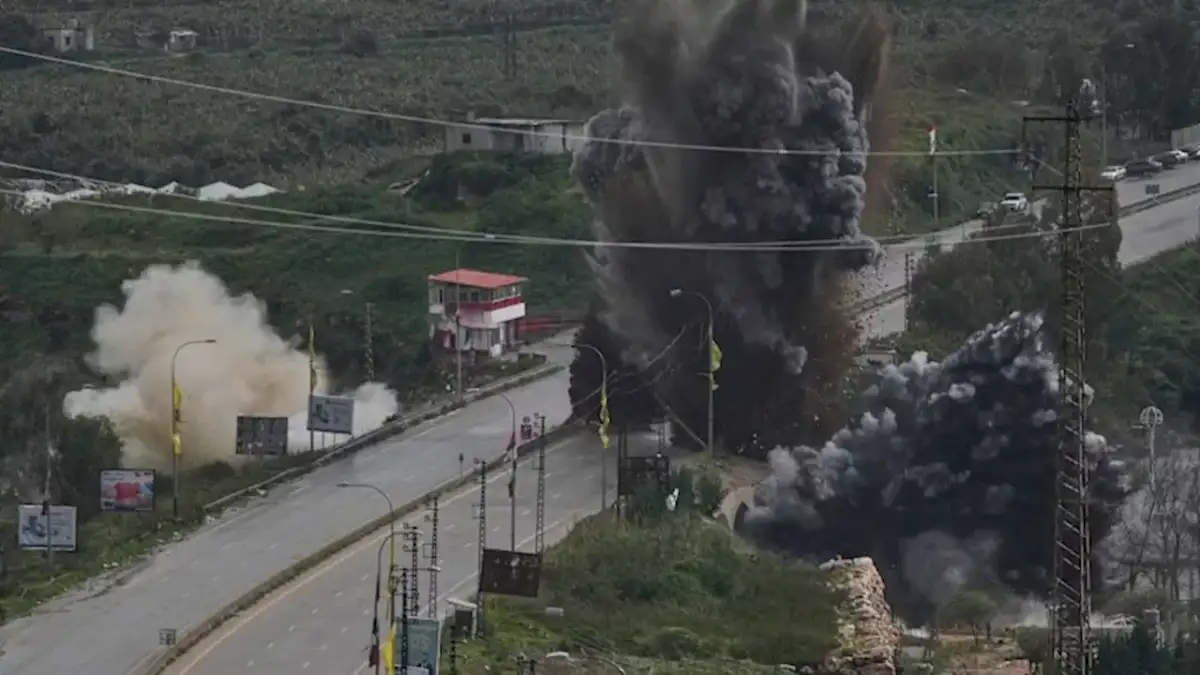
The underlying strategy appears to be rooted in asymmetric warfare, aiming not to win on the battlefield but to make the conflict prohibitively costly for its adversaries, the US and Israel. This approach is further underscored by Iran's readiness for a protracted conflict, supported by decentralized military plans and contingency responses developed by its Revolutionary Guard Corps (IRGC).
STRATEGIC IMPERATIVES DRIVING PROLONGATION
Several key factors appear to be driving Iran's decision to prolong the war despite considerable losses:
Read More: Universities Add New Courses on Politics and Ethics for Students
Regime Survival: Analysts suggest that the leadership prioritizes the continuation of the system above all else. A rapid de-escalation under pressure could potentially embolden internal dissent and weaken the regime's hold on power.
Reshaping Regional Order: Iran may be leveraging the conflict to alter regional dynamics in its favor.
Gaining Negotiation Leverage: A prolonged war could enhance its position at the negotiation table.
Weaponizing Energy: The conflict could be used to exert pressure through energy markets.
Exhausting Rivals: A drawn-out conflict aims to wear down the resolve and resources of its opponents.
Time to Regroup: Significant losses at the leadership level necessitate time for recalibration and consolidation.
THE TACTICS OF ATTRITION AND ESCALATION
Iran's strategy is shifting from mere survival to actively raising the long-term costs for its adversaries through sustained attacks. There are indications of an intent to broaden the conflict geographically, extending threats beyond purely military targets. This calculated defiance is occurring even as officials like US Secretary of Defense Pete Hegseth repeatedly assert that Iran is losing the war.

Meanwhile, some Gulf officials indicate a commitment to strengthen ties with the US and Israel, seemingly undeterred by Iran's actions. The US military's rapid deployment of hundreds of Tomahawk missiles against Iran, entering its fourth week of intense exchanges, is drawing considerable scrutiny and concern.
BACKGROUND
The ongoing conflict, now in its fourth week, has seen extensive military actions, including Iran's repeated strikes on regional targets and the US response with significant missile barrages. The situation unfolds against a backdrop of decades of hostility between Iran, the United States, and Israel, prompting Iran's security apparatus to prepare extensive contingency plans. Reports suggest a complex interplay of strategic objectives, including regime stability, regional influence, and leveraging economic pressures, all contributing to Iran's apparent unwillingness to capitulate despite substantial losses.
Read More: Australia Offers Coal for Oil as China Halts Fuel Exports Amid Supply Fears