

The Mayor's Gesture and the Accusations of Neglect
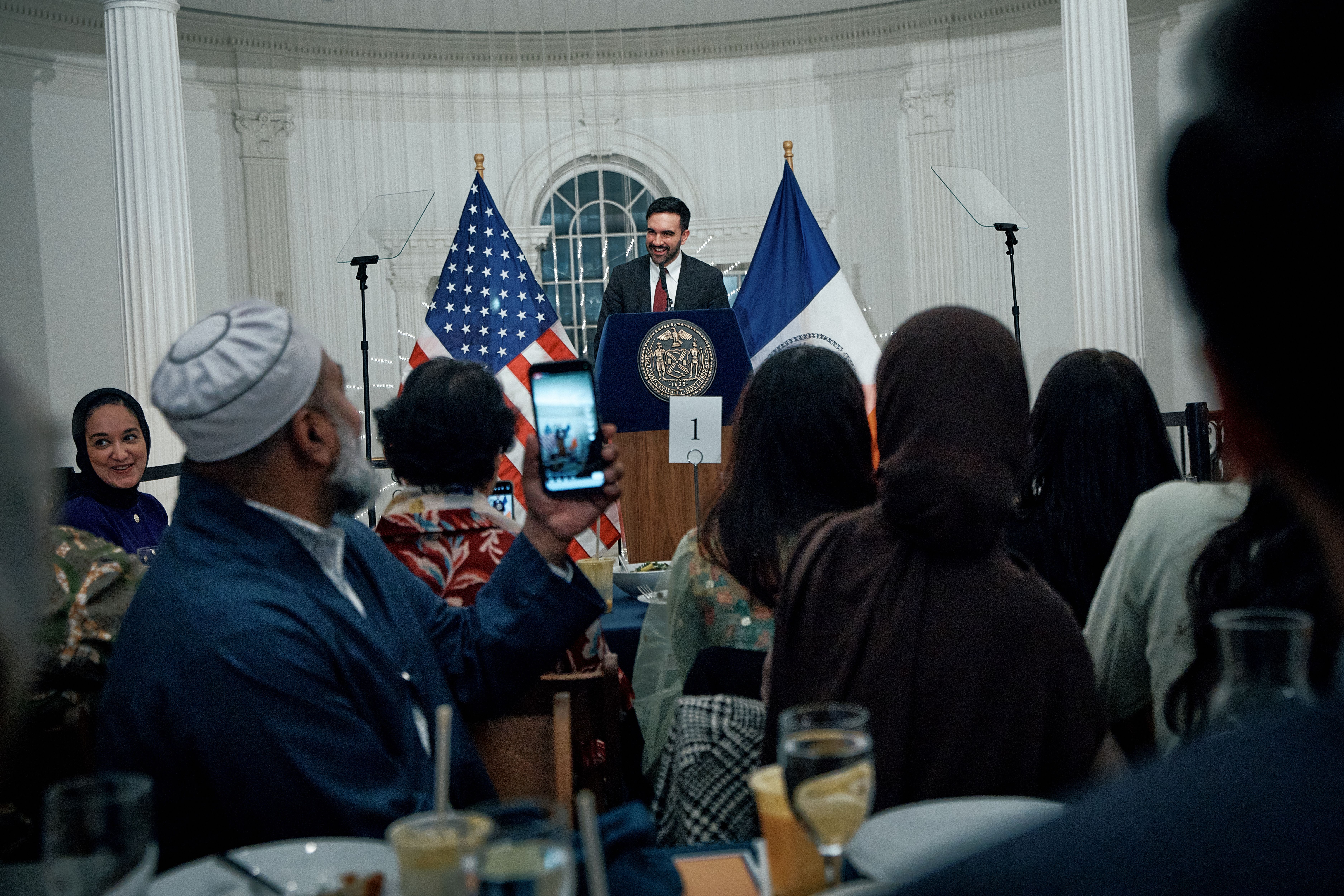
New York City Mayor Zohran Mamdani drew significant public outcry and intense social media debate following his March 20, 2026 visit to Rikers Island. During the observance of Ramadan, the mayor participated in an iftar meal, breaking the daily fast with incarcerated Muslim detainees. This act, intended by Mamdani as a gesture of solidarity and part of his broader agenda to reform the city's public safety approach, was widely interpreted by critics as a misplaced priority that sidelines the concerns of crime victims. The event has become a flashpoint, amplifying existing tensions surrounding progressive crime policies and the management of the city's correctional facilities, particularly the beleaguered Rikers Island.
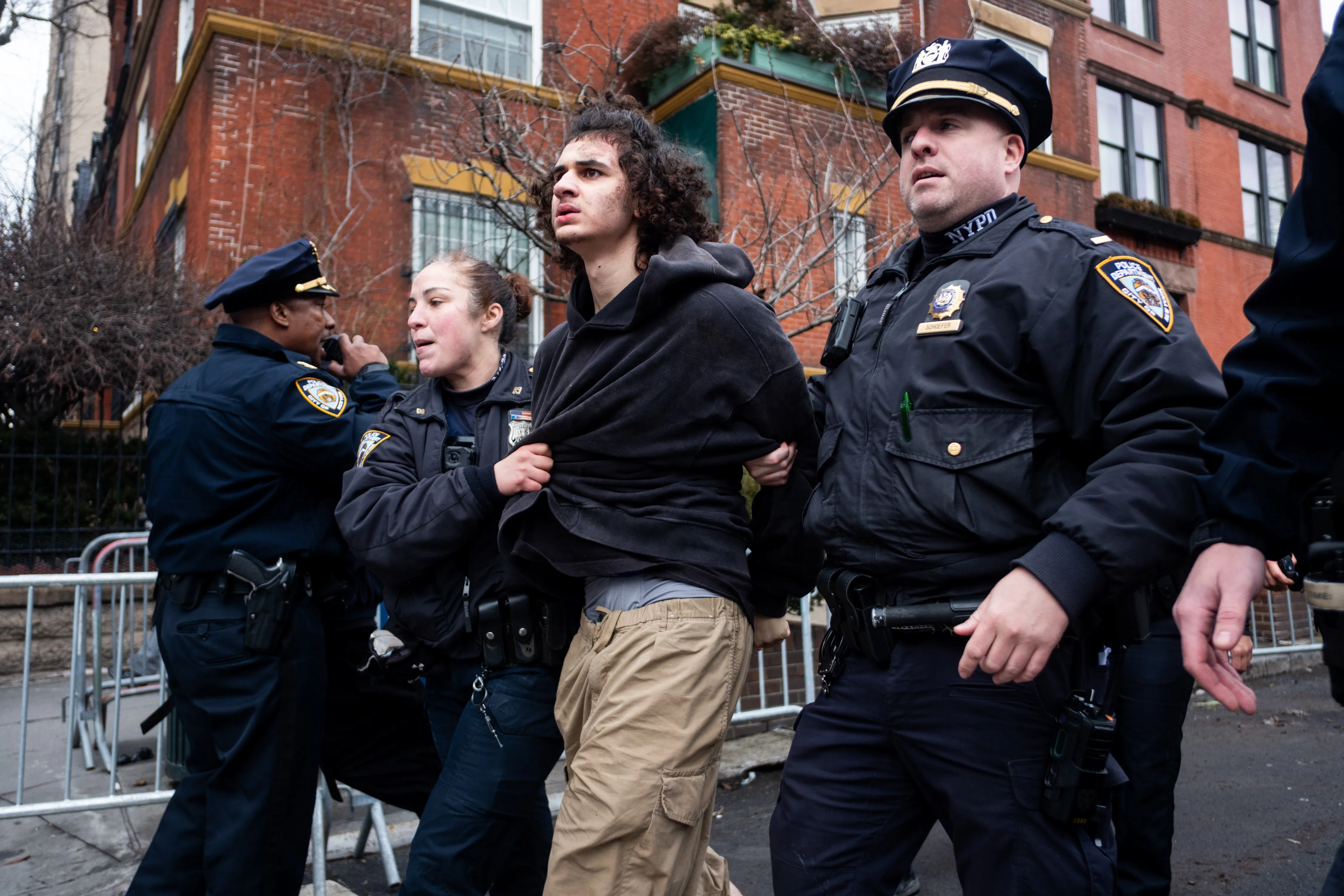
The mayor's visit has ignited a sharp divide, with some commending his attempt to humanize incarcerated individuals and acknowledge religious observances, while others, including law enforcement veterans and crime advocates, have decried it as insensitive pandering. Critics question the optics of the mayor spending time with inmates, some of whom are accused of serious crimes, at a facility notorious for its conditions, while seemingly neglecting to address the needs or acknowledge the experiences of victims of violence.
Read More: Taiwan Holds Nantou County Drills to Prepare for State Collapse

A Symbolic Act and a Policy Undercurrent
Mamdani, the city's first Muslim mayor, framed the Rikers visit as an unprecedented mayoral gesture. His administration has simultaneously been advancing plans to accelerate the closure of Rikers Island and reshape public safety strategies, which include proposals to limit police intervention in certain 911 calls. This timing has fueled the perception among detractors that the mayor is prioritizing the comfort and perceived rights of the incarcerated over the safety and security of the general populace.

The mayor's actions and statements during the visit, including his description of the event as a night that would "stay with me for quite some time," have been amplified across various media platforms. While Mamdani has positioned himself as a leader for New York City's Muslim population during a period of heightened national scrutiny, his approach to criminal justice reform, symbolized by the Rikers visit, is being watched closely for its long-term implications on urban governance and progressive policy.
Read More: Donna Kelce arrives in NYC for Taylor Swift wedding on April 7 2026

Background and Wider Context
The visit occurred against a backdrop of Mamdani's broader efforts to redefine New York City's public safety landscape. His administration is reportedly exploring measures to expedite the closure of Rikers Island, a long-standing goal marked by persistent challenges and controversy. Parallel to these efforts, there are indications of a strategic shift towards reducing the scope of police involvement in responding to certain emergencies, a move that has predictably drawn scrutiny from those advocating for a more robust law enforcement presence.
This complex interplay between symbolic gestures and substantive policy changes has placed Mayor Mamdani at the center of a national conversation. His tenure is increasingly viewed as a test case for the efficacy and societal impact of deeply progressive approaches to criminal justice and urban management. The controversies surrounding his Ramadan visit to Rikers Island serve to highlight the profound divisions that exist regarding the balance between rehabilitation, public safety, and the lingering effects of crime on victims and communities.
Read More: FBI Analysts Review Georgia 2020 Election Data in Fulton County


:max_bytes(150000):strip_icc():focal(799x0:801x2)/nyc-sky-taylor-swift-travis-kelce-wedding-070326-2dc0d912004b400eac2c8c8b5adeff2a.jpg)



