Geological records of the Atacama Desert are currently being recalibrated following evidence that extreme arid conditions in the region began 20 million years earlier than previously accepted scientific models suggested. This findings push the timeline of hyper-aridity into a much deeper epoch, fundamentally altering our understanding of how this landscape evolved into the world's most moisture-deprived environment.
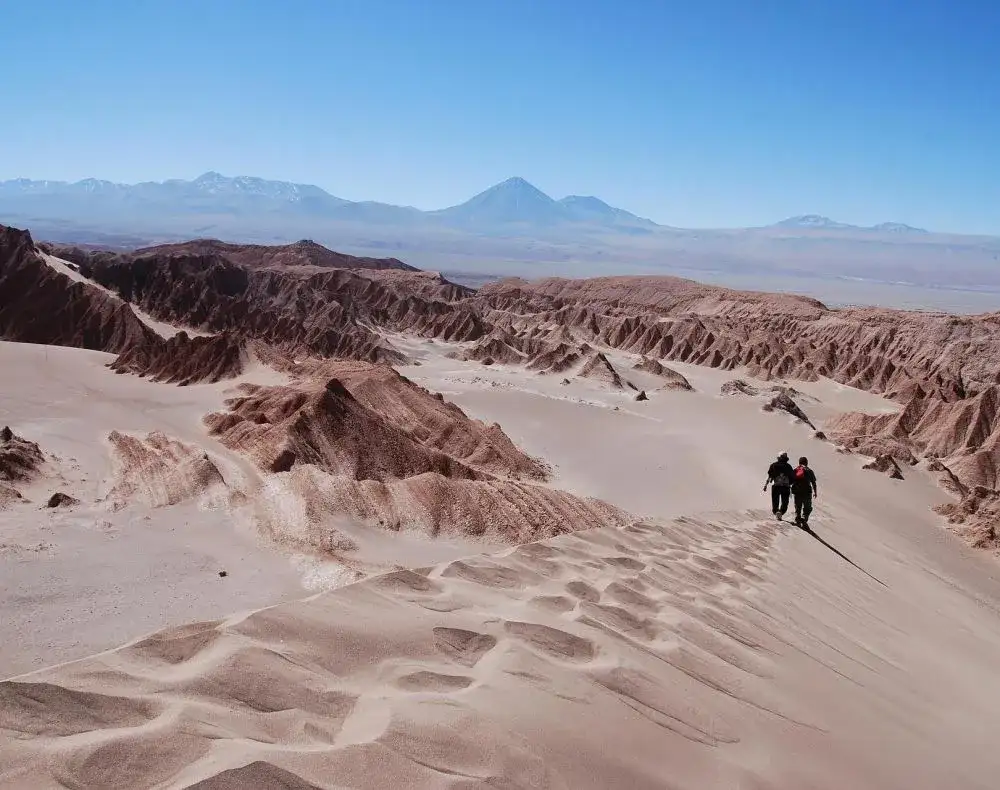
Core Insight: The desert's extreme lack of precipitation is not a recent climactic anomaly but a structural, long-term condition spanning significantly deeper into geological history.

Landscape as a Proxy for Deep Time
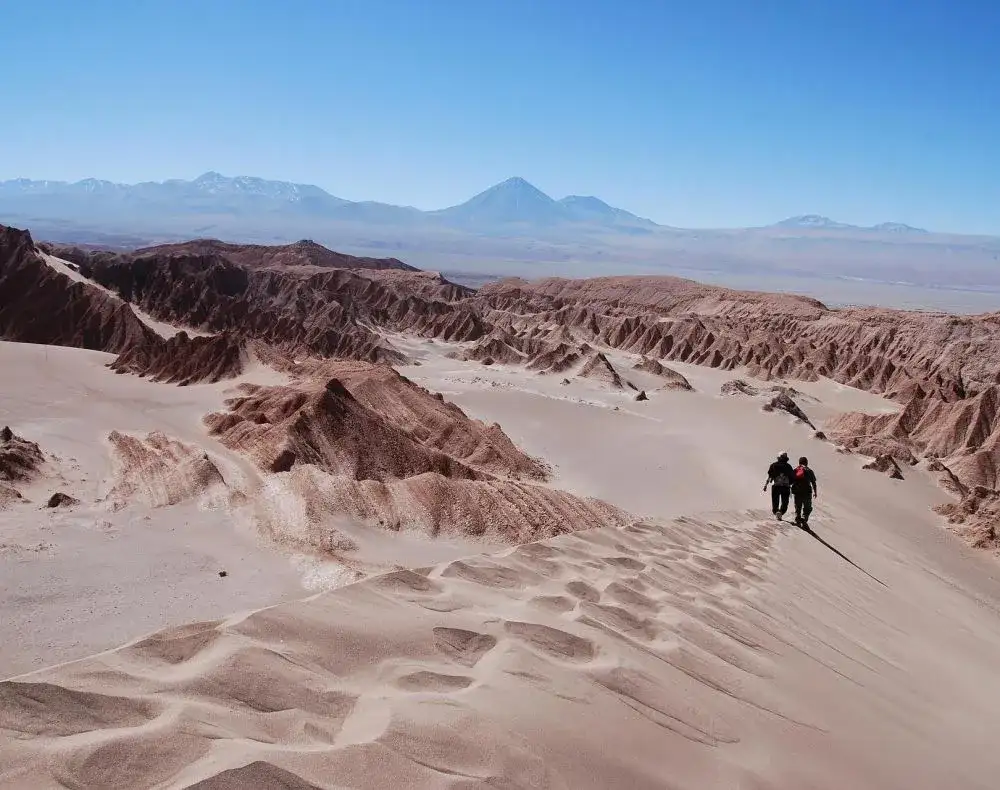
While modern discourse often frames the Atacama—specifically the transit hub of San Pedro de Atacama—as a transient backdrop for tourism, the physical terrain itself remains a persistent archive of Earth's shifting climate. The current geological status of the region involves:
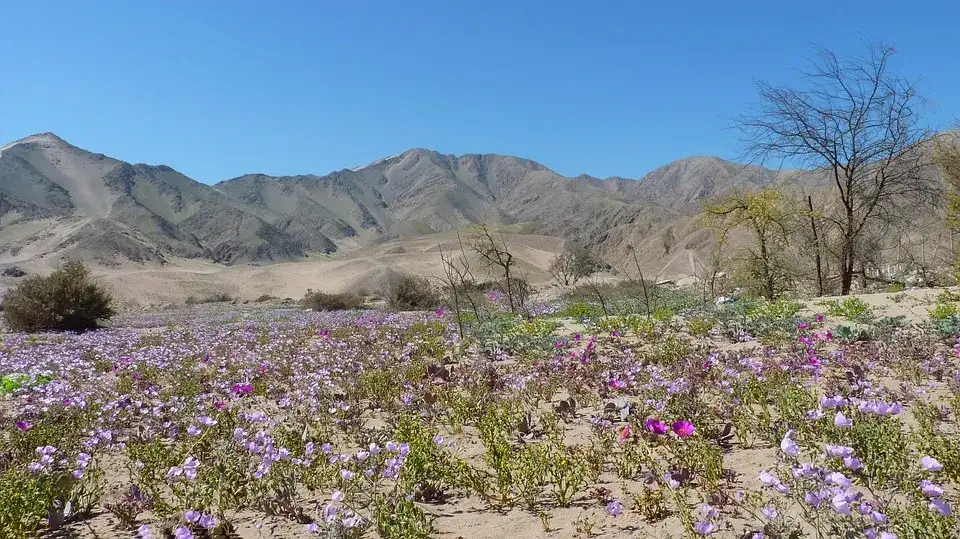
Topographic extremes: A span of 1,600 km marked by volcanic summits reaching 6,000 meters and vast salt flats like the Salar de Atacama.
Atypical biological markers: The extreme conditions have long served as a terrestrial analog for Mars exploration, with NASA utilizing the soil to calibrate autonomous hardware and detect microbial life-signs.
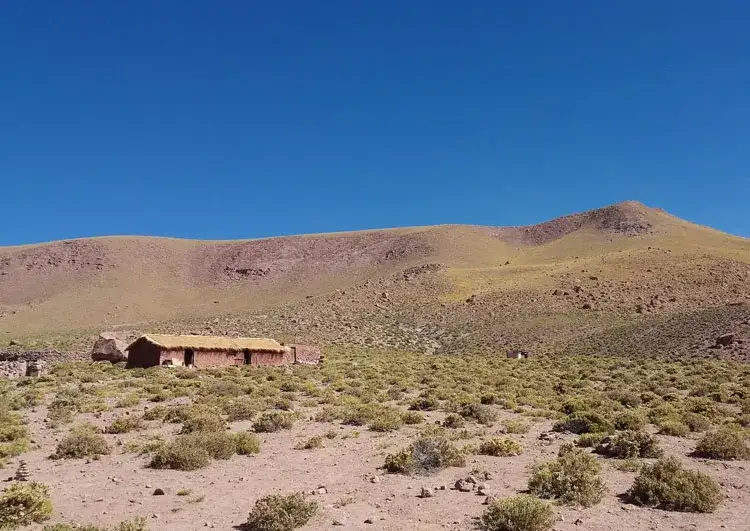
Environmental endurance: Native flora and fauna, such as regional shrubbery and flamingo populations, exhibit specialized resistance mechanisms that have clearly been under pressure for far longer than the scientific community previously assumed.
The Human Overlay
Today, San Pedro de Atacama functions as the primary node for human entry into this expanse. While travelers focus on the Valle de la Luna or the Mirador de Kari, the structural aridity that creates these landscapes is what enables their "lunar" aesthetic.
Read More: Indigenous Data Rights Now Key in Conservation Genomics
| Feature | Geographical Context |
|---|---|
| Central Node | San Pedro de Atacama (Primary staging ground) |
| Primary Terrain | Salt flats, volcanic cordilleras, and wind-sculpted valleys |
| Research Value | Terrestrial analog for exobiology and long-term climate cycles |
Contextualizing the Aridification
The shift in dating these climate events forces a critical reassessment of the Andes' rise and its subsequent impact on rain-shadow effects. By moving the window of hyper-aridity 20 million years into the past, researchers must now reconcile how regional biodiversity—already pushed to the fringes of survival—adapted to such a prolonged period of moisture scarcity. This is not merely a record-keeping adjustment; it is a fundamental shift in the paleoclimatological map of South America.