AUTONOMY GAINS TRACTION IN INTERPLANETARY EXPLORATION
Semi-autonomous robots can complete multi-target resource assessment missions on celestial bodies significantly faster than human-guided counterparts. Researchers have put forth evidence suggesting that such machines, when tasked with exploration and analysis, can achieve objectives in as little as 12 to 23 minutes, a stark contrast to the 41 minutes required by human operators for similar work. This operational efficiency is directly linked to the limitations inherent in traditional remote control setups. Current rovers, typically directed from Earth, face substantial delays – sometimes ranging from four to 22 minutes for a single signal transmission to Mars – which drastically restricts their movement and the scope of their daily exploration, often confined to a few hundred meters.

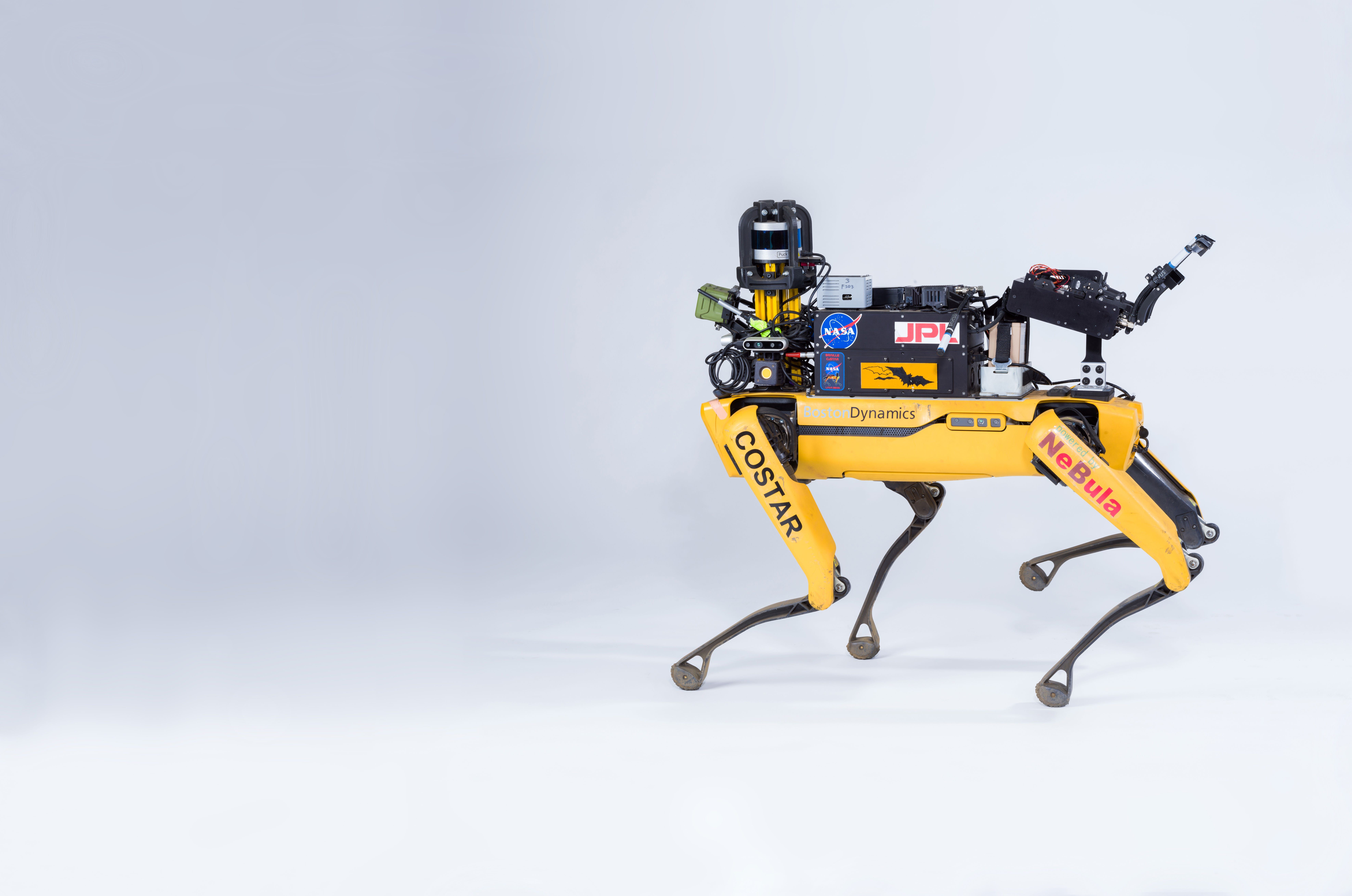
This shift toward greater robotic independence is not merely theoretical. NASA, for instance, is investing in and developing autonomous systems, including humanoid models and quadrupedal robots equipped with analytical tools. These efforts aim to streamline tasks, potentially preparing landing sites or gathering critical data before human astronauts even set foot on extraterrestrial soil. The comparison is drawn between these emerging autonomous capabilities and the established methods of one-target-at-a-time exploration, highlighting a divergence in operational paradigms. The rationale behind this pivot seems rooted in overcoming the sheer 'communication gap' that hamstrings current robotic endeavors.
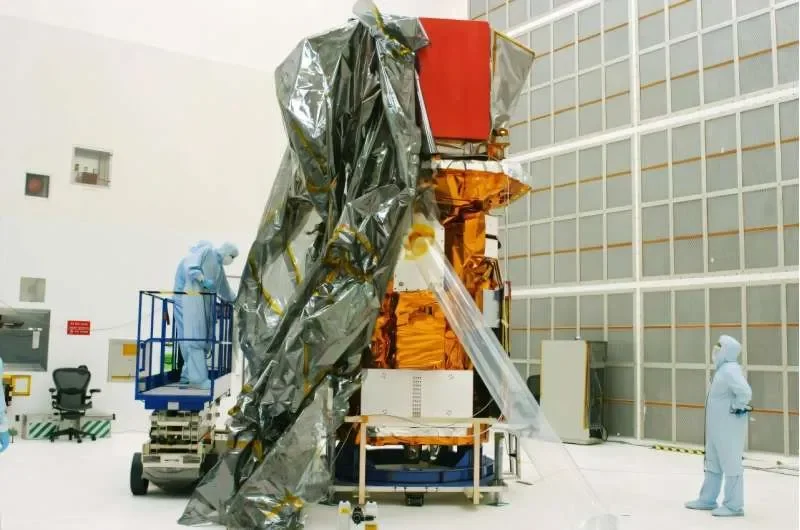
Read More: NASA Robot Mission Launched to Raise Swift Telescope Orbit, Add 10 Years

BEYOND REMOTE OPERATION: NEW FORMS, NEW FUNCTIONS
The practical applications of these advancing robots extend to various forms, including bio-inspired designs and even aerial drones, all intended to improve our understanding of off-world materials. Innovations like the Space-Capable Asteroid Robotic Explorer (SCAR-E) represent unique robotic configurations being considered. Furthermore, the development of legged robots, drawing parallels to widely observed machines like Boston Dynamics' Spot, suggests a move towards more versatile mobility across varied and challenging terrains.
The potential benefits appear to outweigh concerns, particularly in accelerating the 'resource prospecting' phase on the Moon and the search for signs of life on Mars. Such robots could also perform tasks that minimize the need to transport components from Earth, a critical factor in long-duration missions. The inclusion of robots in future phases of NASA's 'Artemis program' is seen as potentially pivotal for establishing a sustained human presence beyond Earth.
Read More: Chrome mimeHandler API lets extensions handle file types
CONTEXT AND EVOLUTION
Historically, space exploration relied heavily on direct human intervention or highly controlled, remote operations. The vast distances involved in interplanetary travel have always imposed significant constraints on communication, making real-time control an impossibility for distant bodies like Mars. This inherent delay necessitated meticulous planning and a conservative approach to robotic movement and operation.
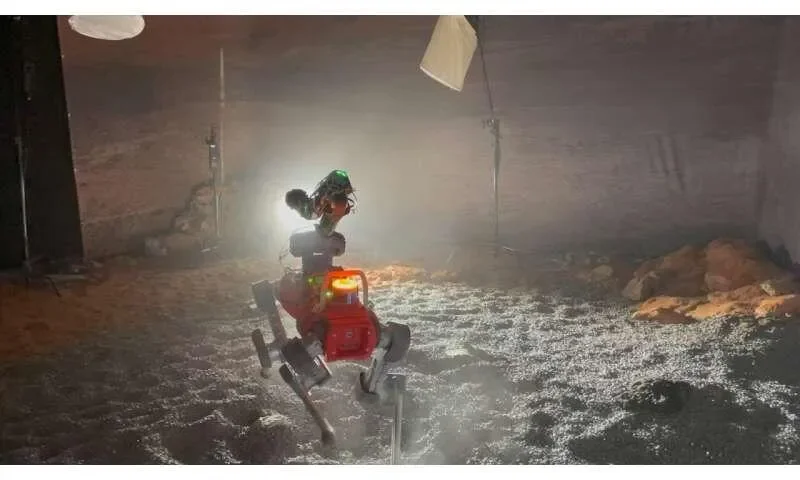
The recent push for increased autonomy and the development of more sophisticated robotic platforms, such as legged machines capable of navigating difficult landscapes, signifies an evolutionary step. This evolution is driven by the practical need to accelerate scientific discovery and to lay the groundwork for future human missions. Researchers are actively simulating extraterrestrial conditions, including rocky terrain and communication delays, to refine these technologies. The ultimate aim appears to be not just the exploration of other worlds, but the augmentation of human capacity through intelligent, independent machines.
Read More: ISS Crew Moves to Dragon Spacecraft Due to Air Leaks