A VESSEL TOWARDS THE MOON, A WHISPER OF ANCIENT ECHOES
The Artemis II mission, the first crewed venture towards the moon in over half a century, has been launched. This undertaking, cloaked in the grandeur of renewed lunar ambition, carries a crew of four astronauts: Reid Wiseman, Victor Glover, Christina Koch, and Jeremy Hansen. Their journey, a circuit around the moon, is framed not merely as a technological feat but as a narrative laden with historical and symbolic resonance, particularly through its namesake.
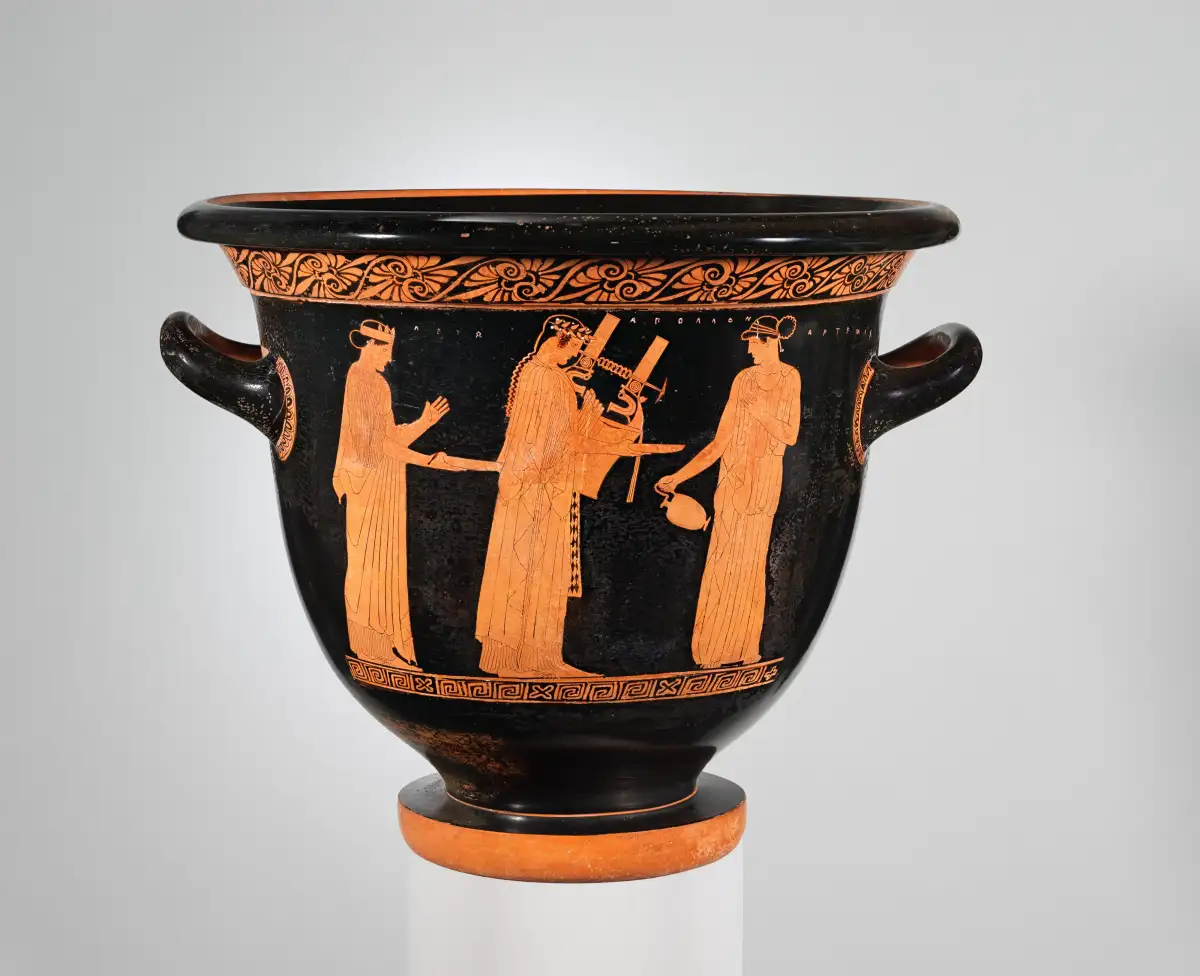
The choice of the name 'Artemis' for this ambitious space exploration project is not incidental. Artemis, in ancient Greek mythology, is the goddess of the hunt, wilderness, wild animals, the Moon, and chastity. She is the twin sister of Apollo, the god of the sun, music, archery, healing, and prophecy. This duality – a celestial sisterhood and brotherhood, one associated with the moon, the other with the sun – lends a profound mythological undercurrent to humanity's latest leap into the cosmos.
Read More: New ways to get to Mars faster by 2026

The mission's trajectory, a circumlunar flight, will test the capabilities of the Orion spacecraft and its Space Launch System rocket. While the immediate focus is on the operational aspects of space travel – the intricate ballet of rocketry, orbital mechanics, and life support systems – the broader cultural landscape is undeniably shaping the reception of this event. The selection of a name so steeped in classical lore invites contemplation on the archetypal human drive for exploration, the enduring allure of the celestial, and the cyclical nature of ambition.
ECHOES FROM THE VOID: THE MYTHOLOGICAL BACKDROP
The Homeric Hymns, an ancient collection of poems, offer an early glimpse into the narrative surrounding Artemis. These texts describe her as the "virgin who delights in arrows," a figure of swift movement, associated with the moon and a golden chariot. This portrayal evokes a sense of potent, untamed energy, a deity at once powerful and solitary, navigating the cosmic expanse.
Read More: Indigenous Data Rights Now Key in Conservation Genomics

The significance of Artemis extends beyond a mere appellation. It taps into a collective consciousness where celestial bodies and divine beings have long been intertwined with human endeavors. The twin god Apollo, whose name is equally resonant in the pantheon, further solidifies this mythological lineage, linking the mission to a rich tapestry of ancient stories that have shaped Western thought and imagination. These narratives, passed down through generations, provide a symbolic framework through which this modern technological march into space is understood and, perhaps, mythologized anew.