Reports detail increased deployment and aggressive tactics by federal agents, including specialized units, in operations targeting undocumented immigrants across US cities. These actions have reportedly resulted in multiple violent encounters and fatalities, raising questions about accountability and the scope of federal authority.

== Specialized Border Patrol units, like BORTAC, have been observed participating in urban enforcement actions, including vehicle pursuits and forceful entries into residential buildings. == This involvement in non-border operations marks a significant expansion of their deployment. Concurrently, the Immigration and Customs Enforcement (ICE) agency, particularly its Enforcement and Removal Operations (ERO) branch, is cited as the primary force behind an aggressive deportation mission. This has led to instances where families claim a lack of information regarding the whereabouts of detained loved ones, with vehicles used in arrests sometimes noted for having out-of-state or obscured license plates.
Read More: ICE Arrests 76% of People Without Criminal Records in New York City During 2024 Immigration Sweeps
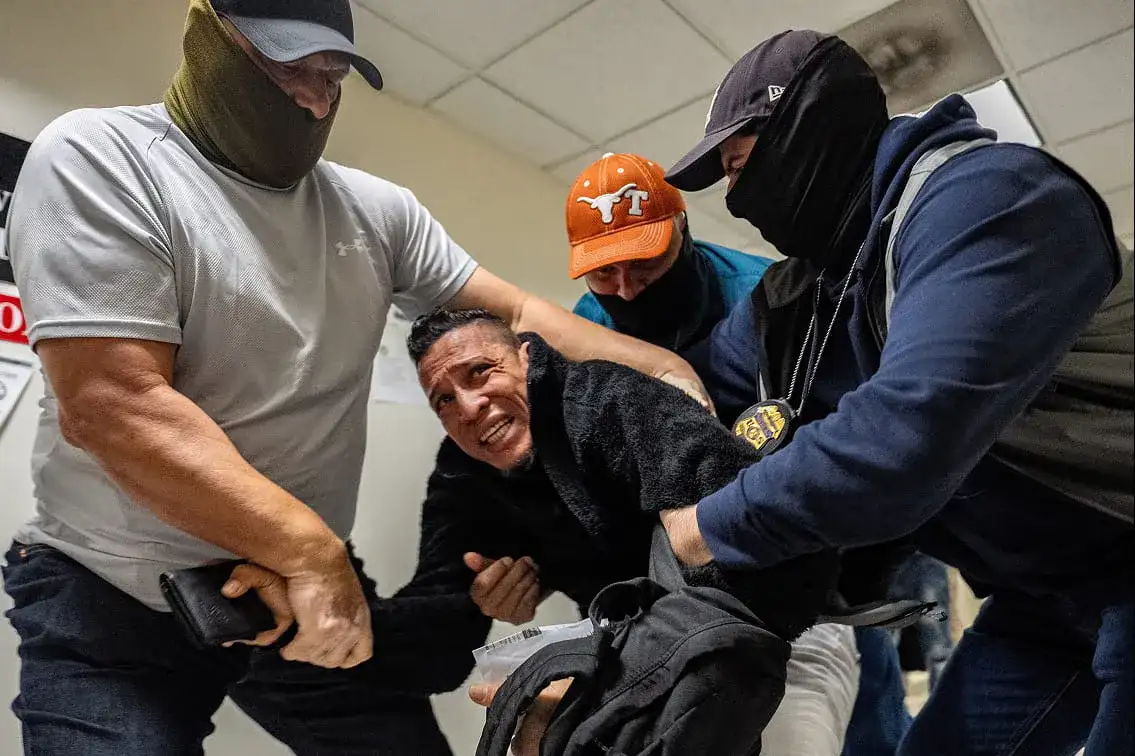
The use of force during these detentions has become a focal point, with official statements frequently characterizing injured detainees as dangerous. These incidents have culminated in a number of violent or fatal arrests, with at least two dozen reported cases. The deployment of agents typically focused on other federal crimes, such as child abuse, drug trafficking, and tax fraud, to immigration enforcement duties further underscores the broadened scope of these operations.
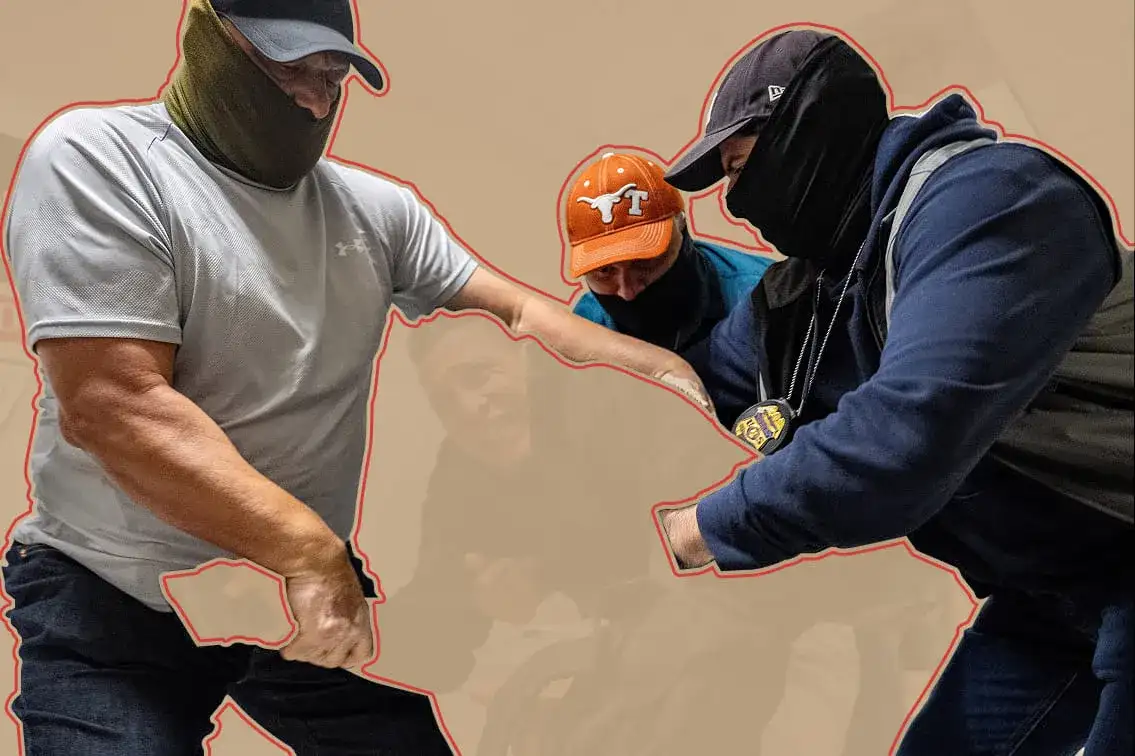
Agents and Agencies Involved
The enforcement apparatus involves multiple federal entities, primarily Immigration and Customs Enforcement (ICE) and Customs and Border Protection (CBP).
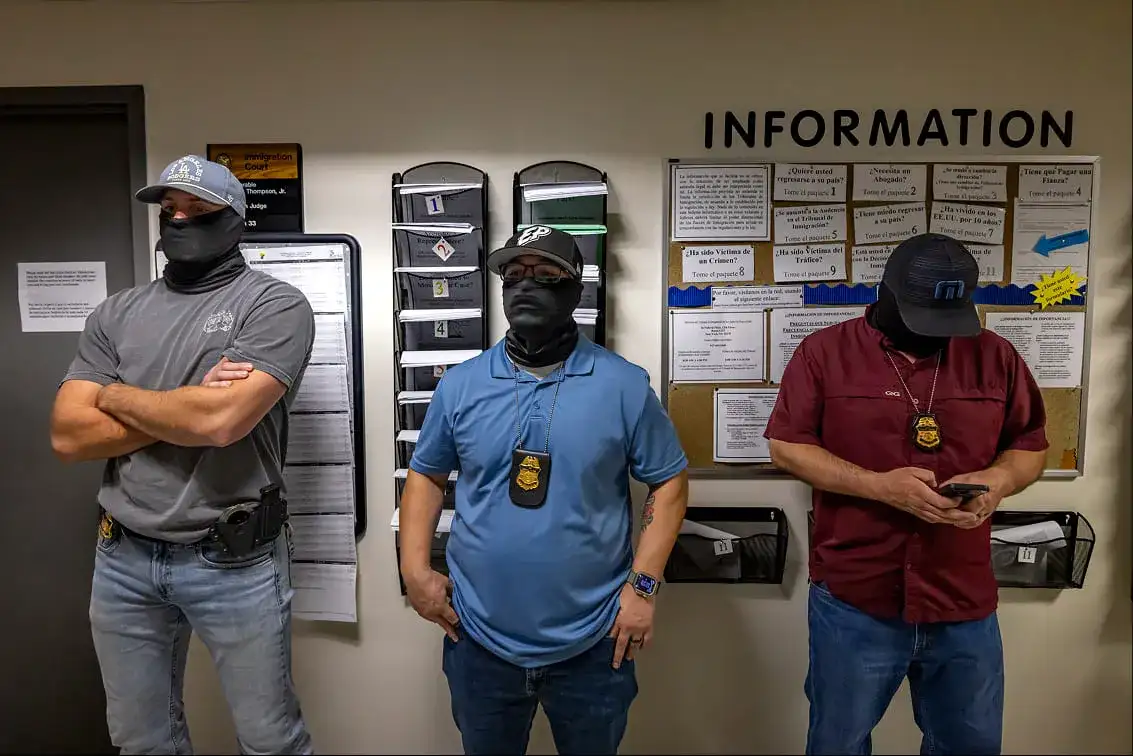
ICE is divided into two main branches:
Enforcement and Removal Operations (ERO): This branch handles the bulk of deportation and removal activities.
Homeland Security Investigations (HSI): While part of ICE, its agents, numbering around 7,100, typically engage less in routine immigration enforcement.
CBP, the parent agency of the U.S. Border Patrol, also plays a role.
Border Patrol Tactical Unit (BORTAC): This specialized unit has been observed in urban environments participating in enforcement actions.
Scope and Impact of Operations
Thousands of agents have been redirected from their usual assignments to bolster immigration enforcement efforts. This reallocation has reportedly led to federal prosecutors being overwhelmed with immigration-related cases. The intensified crackdown is perceived by some as the creation of an unfettered and unaccountable national police force, operating outside established legal processes and due process concerns.
Read More: Kash Patel FBI Director Faces Lawsuit and Ouster Rumors in Washington DC
Historical Context and Critique
Concerns have been voiced regarding the increasing militarization of immigration enforcement. Reports suggest a shift towards more aggressive tactics, with discussions about the rules governing the use of force, including deadly force. The involvement of agencies not traditionally associated with frontline immigration enforcement highlights a significant expansion of the federal government's approach to immigration control.
.jpg)