The central government has initiated a rigid shift in domestic energy policy: households situated in areas with existing Piped Natural Gas (PNG) infrastructure are now required to abandon Liquefied Petroleum Gas (LPG). Official mandates dictate that where pipeline connectivity exists, LPG supply may be terminated.

This transition serves to prioritize domestic natural gas utilization while redirecting scarce, import-heavy LPG stocks toward regions currently lacking pipeline access.
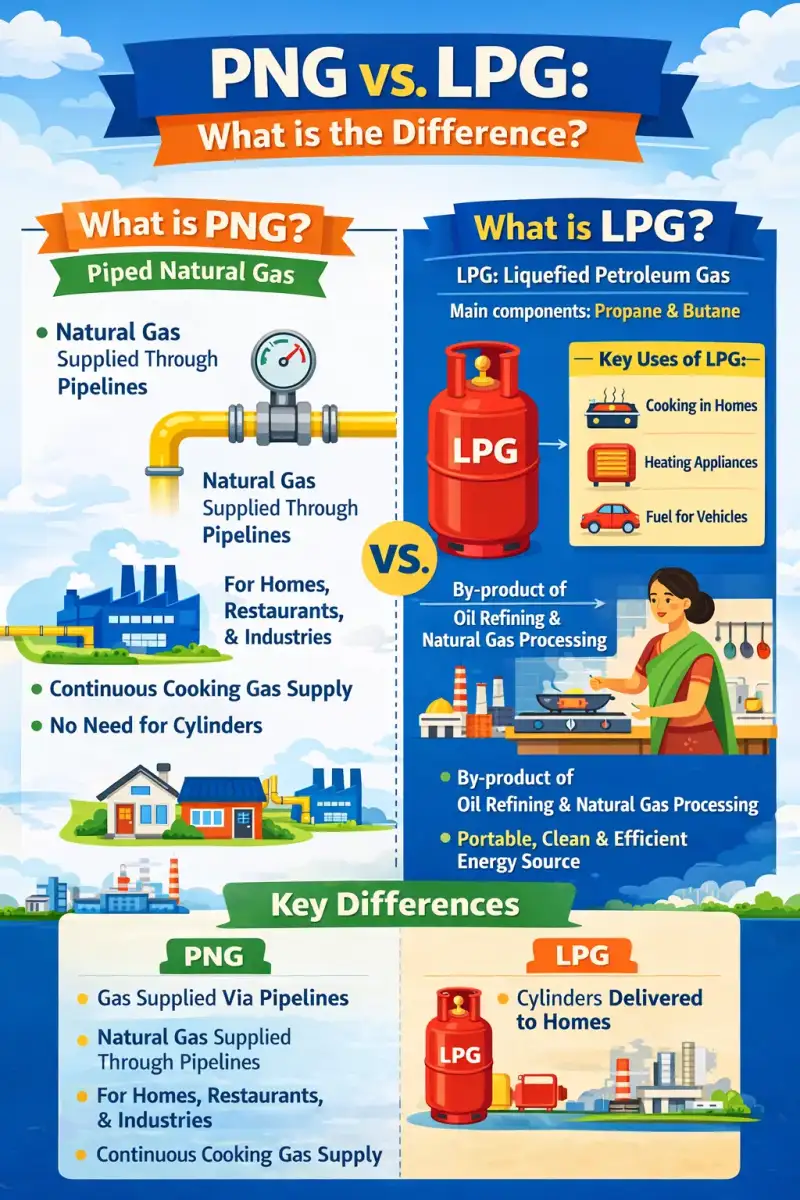
Technical Disparities
| Feature | LPG (Liquefied Petroleum Gas) | PNG (Piped Natural Gas) |
|---|---|---|
| Composition | Propane/Butane (Oil refinery byproduct) | Primarily Methane (Natural Gas) |
| Delivery | Portable metal cylinders | Underground pipeline networks |
| Source | High import dependence (West Asia) | Domestic/Imported Natural Gas |
Structural Vulnerability and Geopolitics
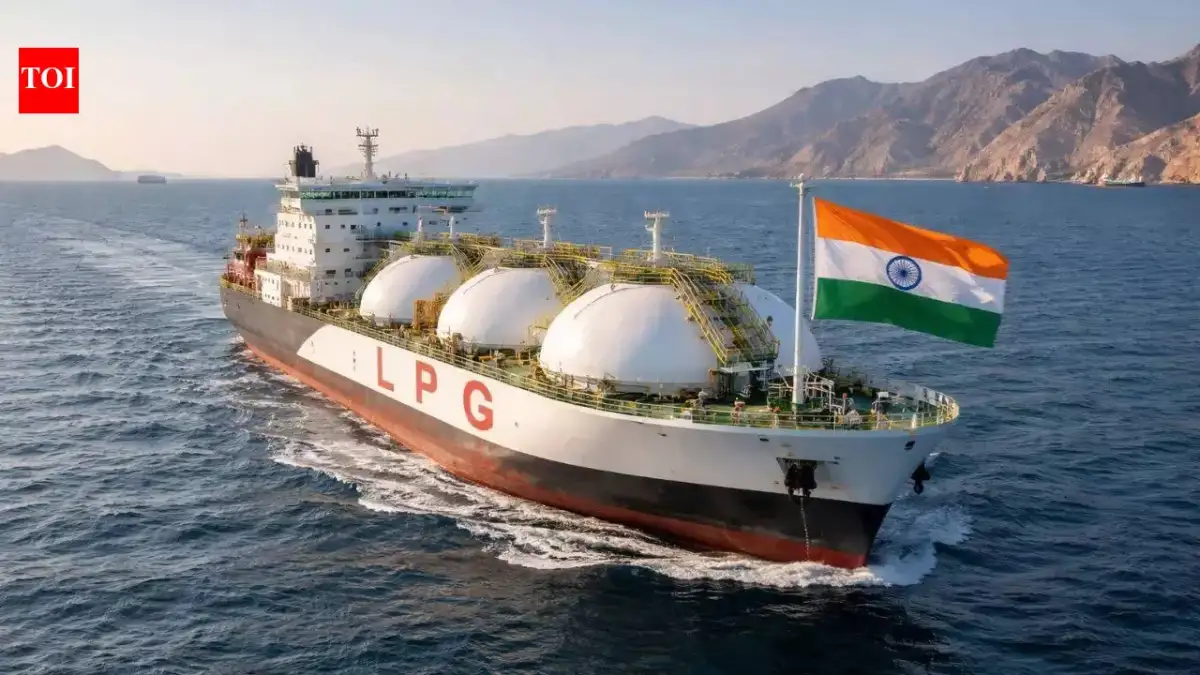
The move stems from systemic instability in the energy supply chain. The ongoing conflict between the United States and Iran has disrupted critical shipping lanes through the Strait of Hormuz, creating a bottleneck for Indian LPG imports.

Import Dependence: Domestic production of LPG remains insufficient to meet the current demand of over 33 crore connections.
Strategic Rationalization: By shifting urban households to PNG, the government aims to buffer against volatility in global maritime trade, leveraging the capacity of domestic gas fields—which officials claim could support up to 30 crore PNG connections.
Market Response: Major urban centers, including Delhi, Mumbai, and Kolkata, have reported logistical strain, marked by long queues at distribution centers as the administration enforces the transition window.
Background: From Crisis to Infrastructure
The push for a gas-based economy is not entirely reactive. Prior to the recent geopolitical ruptures, India had already committed to a target of 12.5 crore PNG connections by 2030 to streamline urban utility services.
Read More: Global Renewable Capacity Hits 49.4% in 2025 But Fossil Fuels Still Rise
However, the current situation reveals the tension between long-term infrastructure goals and immediate consumption crises. While the administration frames the mandate as an efficiency measure—eliminating the need for manual cylinder refills and managing supply distribution—it effectively mandates a consumer-side adjustment to offset the geopolitical reality of an energy-dependent state.
Observers note that this forced substitution exposes the fragile equilibrium of India’s energy basket, where convenience-based policies must now confront the harder realities of international conflict and trade corridor fragility.