FROZEN RESERVES THREATENED
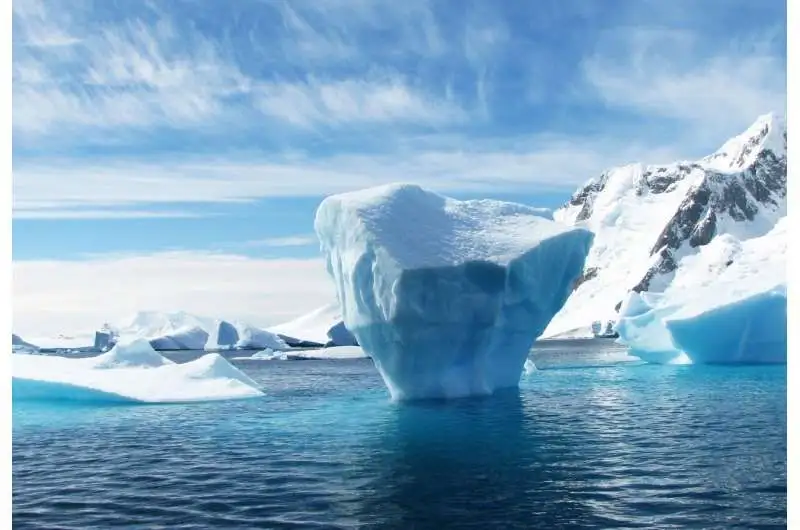
Recent analyses reveal Arctic river deltas are now subject to intensified climate pressures. These regions, previously perceived as stable ice formations, are experiencing a warming trend that could destabilize the vast quantities of frozen carbon they contain. The implication is a potential release of greenhouse gases from previously inert permafrost.
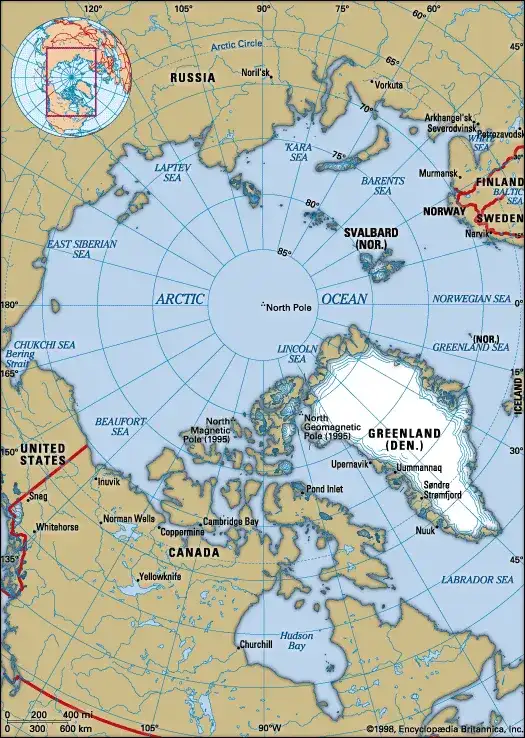
The implications for global climate systems are significant. Historical glaciation patterns, detailed in geographical surveys, show how ice sheets have shaped the Arctic. Now, a different kind of thaw is occurring, not from ancient ice ages, but from current atmospheric changes.
DELTA DYNAMICS UNDER SCRUTINY
While details of specific delta responses are still being collated, the broader picture points to accelerated permafrost degradation. This is linked to rising global temperatures, a phenomenon scientists have been observing for decades. The focus now shifts to the specific mechanisms at play within these delta environments.
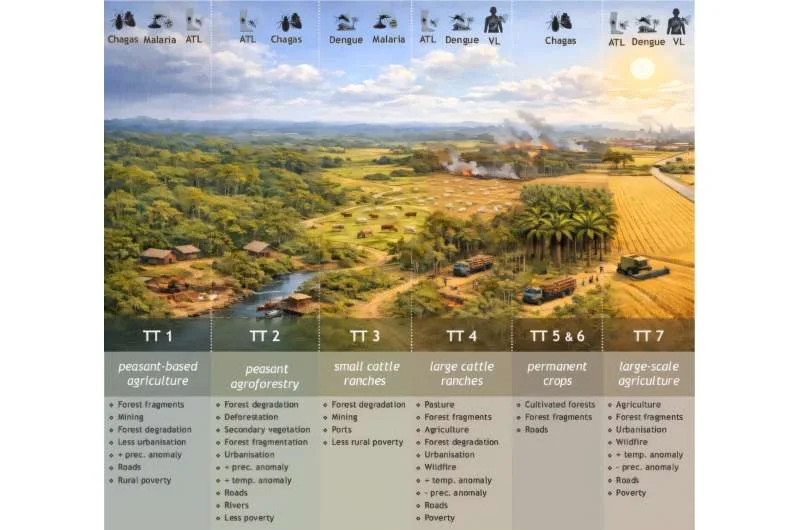
Read More: Amazon Land Use Changes Cause Disease Clusters in Brazil
These developments come at a time when the Arctic's role in the planet's climate is increasingly a subject of intense scrutiny. Earlier reports on Arctic geography, such as those concerning past continental ice sheets covering regions like Greenland and Siberia, underscore the dynamic nature of this polar domain. The interplay between ice, land, and atmosphere in the Arctic has always been critical; the current warming trend is introducing a new, potentially volatile, variable.
Further information on the specific physical geography of the Arctic can be found via Britannica's comprehensive overview. The focus of recent media attention has also touched upon fictional portrayals of Arctic survival, with discussions examining their plausibility. These cinematic narratives, however, are distinct from the unfolding environmental realities.