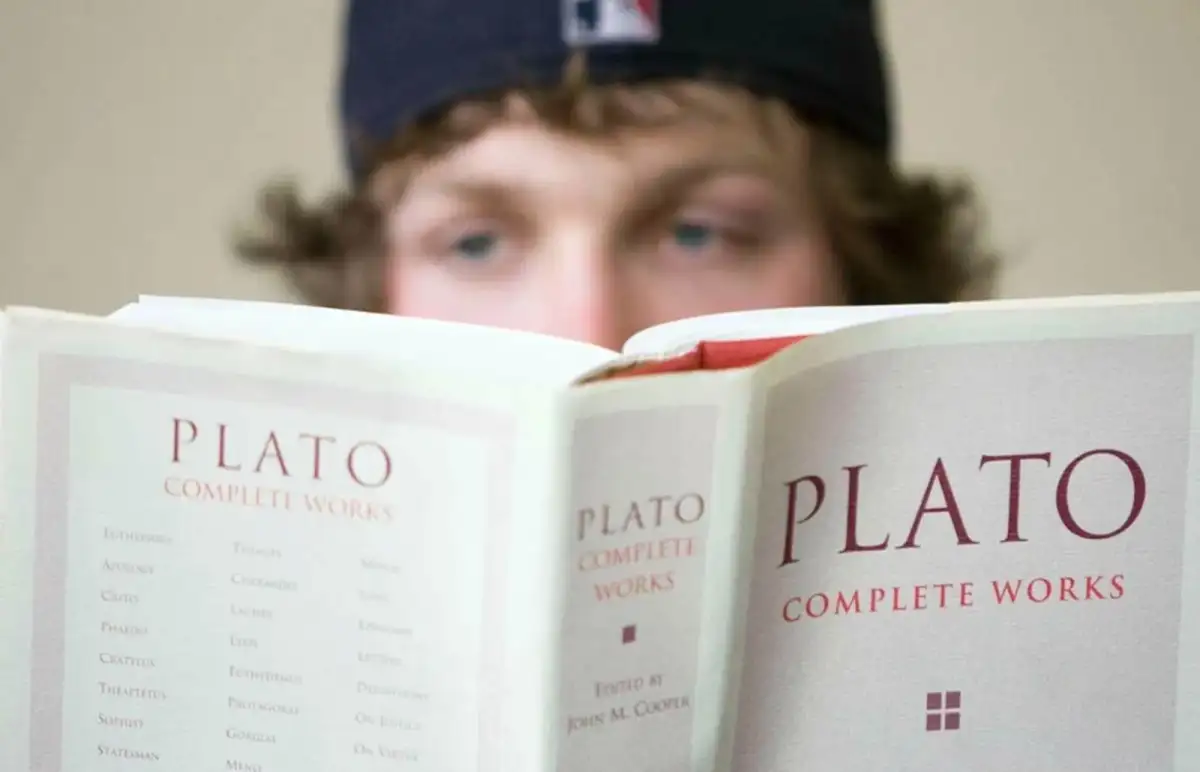
As of April 7, 2026, the primary mechanism for technical knowledge transfer regarding Large Language Models (LLMs) has shifted from formal academic institutions to decentralized, creator-led digital environments. The barrier to entry for mastering neural network architectures, vector database management, and prompt engineering is currently mediated by a concentrated cohort of YouTube channels that act as the de facto curriculum for AI engineering.
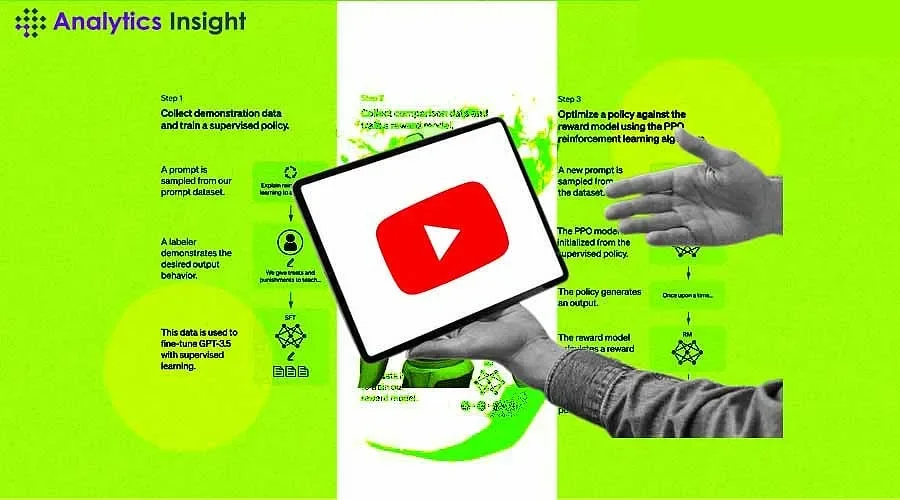
The transition from passive consumption to hands-on agent building is the current market imperative for developers.
| Channel Category | Primary Utility | Focus Areas |
|---|---|---|
| Academic/Research | Conceptual Rigor | Research papers, safety, bias, breakthroughs |
| Practical/Technical | Execution/Builds | Python, n8n, LangChain, API integrations |
| Observability/Dev | Infrastructure | Monitoring, deployment, fine-tuning, ethics |
The Mechanics of Modern AI Education
Recent tracking of educational output reveals that learning paths are no longer linear. Students and engineers typically aggregate content from three distinct archetypes of educators:
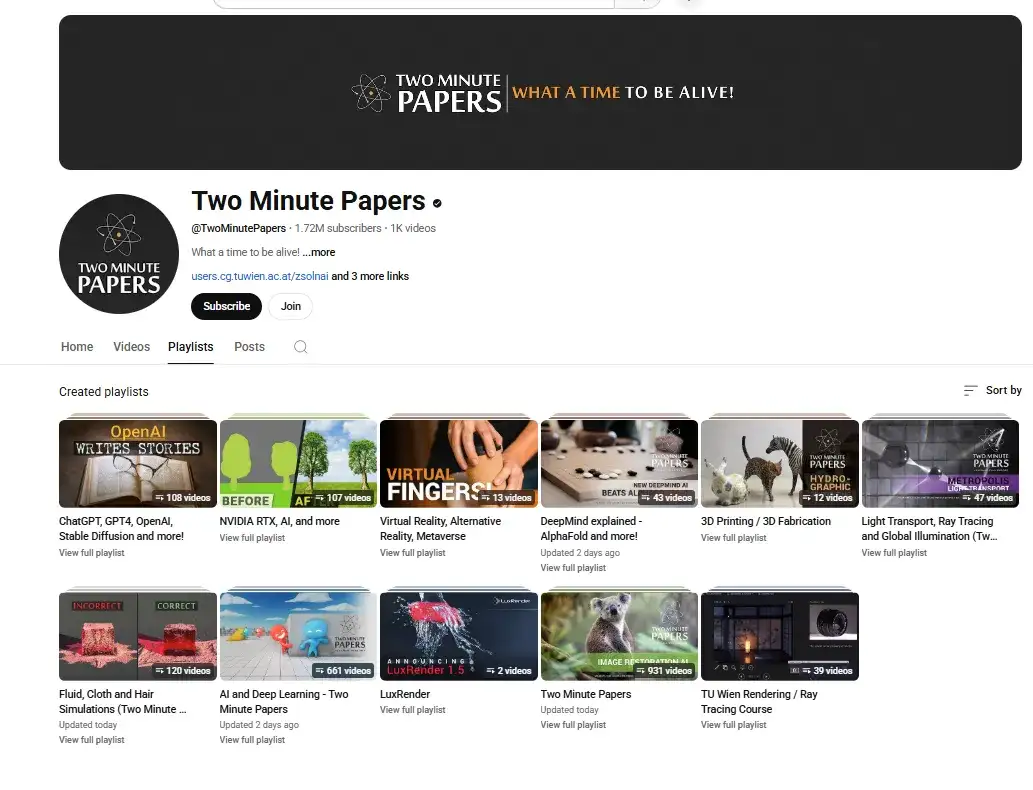
The Deep Divers: Platforms like DeepLearning.AI and Two Minute Papers maintain a stronghold on the fundamental mechanics—neural networks and high-level research.
The Workflow Optimizers: Creators like The AI Advantage, Wes Roth, and AI Explained provide high-frequency updates on tooling, prioritizing "automation-first" mentalities for non-technical operators.
The Code-Centric Builders: Channels focusing on LangChain agents, vector similarity, and API connectivity bridge the gap between "understanding" the model and deploying an enterprise-grade product.
The Fragmentation of Knowledge
The discourse around AI has moved beyond mere function to deep concern for AI Observability—the requirement that models remain transparent, auditable, and aligned with human values. Educators now frequently pivot from "how to build" to "how to measure failure" within LLM outputs. This indicates a maturing field where the excitement of model capabilities is being supplanted by the professional necessity of infrastructure stability.
Read More: University Hospital La Reunion AI Rules for Cardiac Surgeons 2026
"YouTube has become the leading platform for AI education, where complex topics are simplified through hands-on tutorials, research explainers, and practical projects." — Compiled observations, 2025.
Background: The Rise of the Creator-Academic
Since late 2023, the instructional content on YouTube has evolved from introductory "what is ChatGPT?" videos toward granular technical sessions. This shift reflects a broader societal fatigue with marketing-led AI hype. Current demand is concentrated on AI Agents, Fine-Tuning workflows, and Cloud-native integrations.
By early 2026, the ecosystem of "must-watch" creators—ranging from Alex Finn to Dwarkesh Patel—has effectively replaced the traditional syllabus. Whether this reliance on algorithmic recommendation engines for critical technical education produces competent engineers or merely high-functioning tool-users remains the central tension of the current pedagogical model.