GLOBAL FLASHPOINTS IGNITE WIDER FEARS OF CATASTROPHE
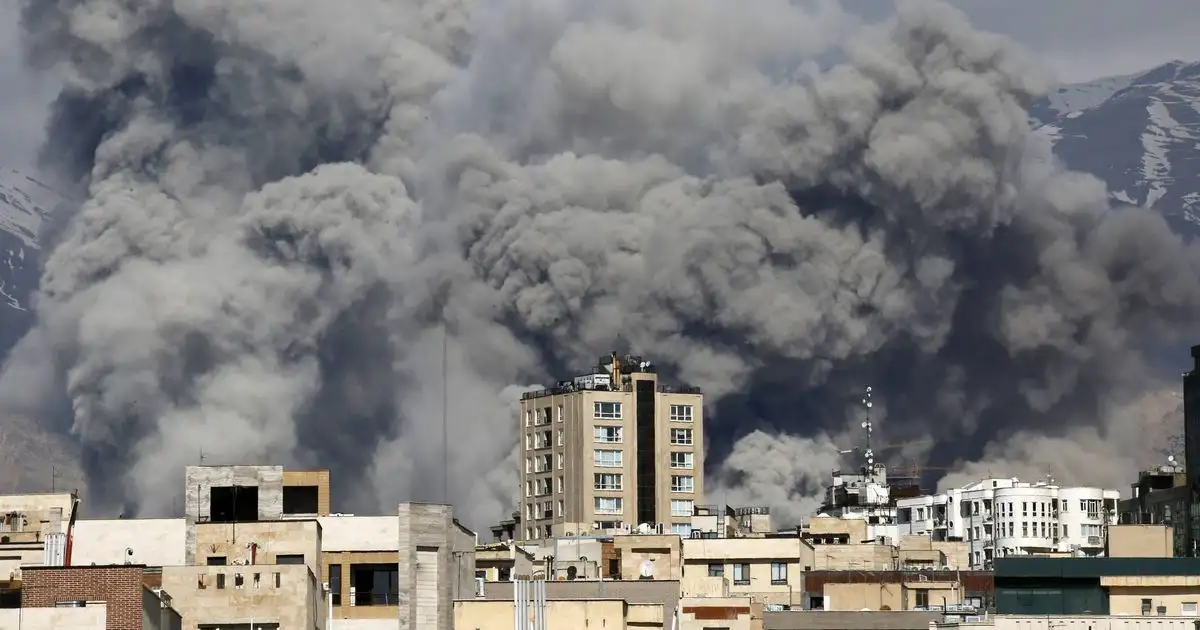
The current global climate is being increasingly framed as a prelude to large-scale conflict, with several interconnected events fueling anxieties about a potential World War 3. Geopolitical experts and analysts point to escalating tensions in the Middle East, particularly the ongoing US-Israeli strikes in Iran and Iran's retaliatory actions, as significant drivers of this heightened concern. The situation is compounded by Russia's military build-up along NATO borders and its alleged intelligence sharing with Iran, creating a complex web of potential escalations.

The danger, some argue, lies not in a deliberate march towards war, but in the possibility of an "accident" or miscalculation that could rapidly spiral out of control. Reports indicate that Iran's strikes have targeted Israel and countries hosting US assets, while US and Israeli forces have conducted extensive operations within Iran, resulting in significant casualties, including the reported death of Ayatollah Ali Khamenei. This tit-for-tat escalation has led to a critical juncture, with fears that the conflict could draw in other regional and global powers.
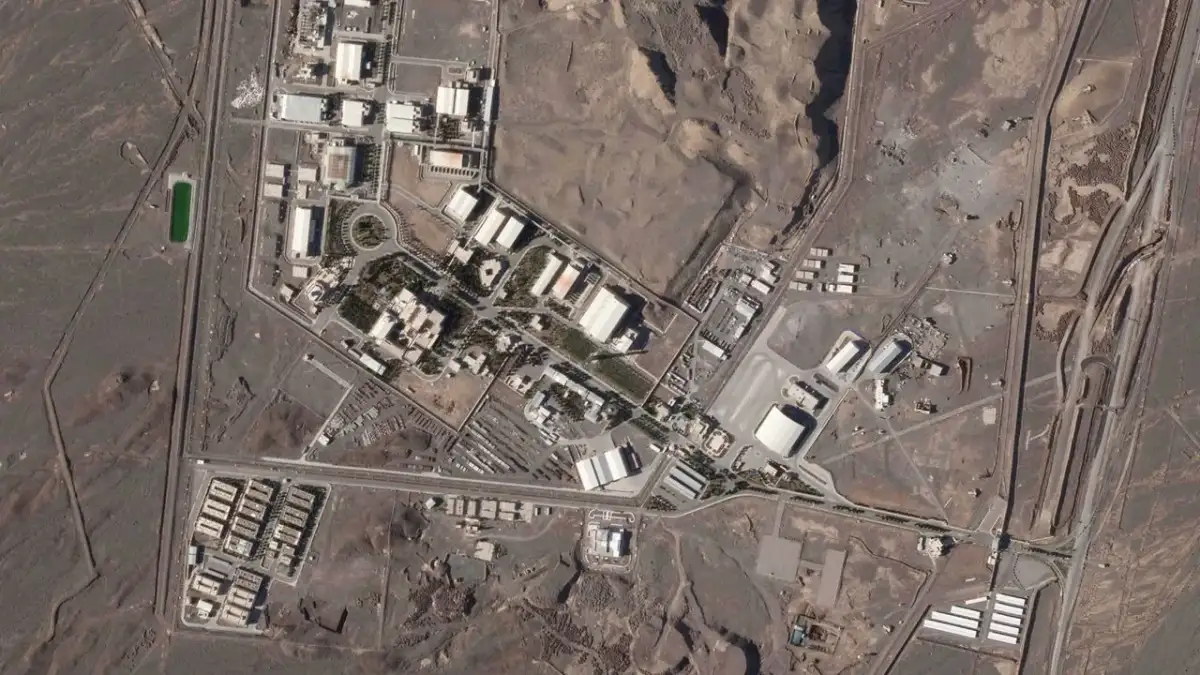
Read More: Iran Zagros Mountain Nuclear Site Construction Update April 2026
RUSSIA'S AMBITIONS AND NATO'S UNEASE
Russia's actions are also a focal point of concern. Reports from Lithuania's security services suggest Moscow is actively expanding its military presence along NATO's eastern frontier, using the conflict in Ukraine as a testing ground for future force projection. This build-up, described as the creation of a "backbone of a future fighting force," involves reorganizing brigades into divisions and developing infrastructure, particularly in the Kaliningrad region. These developments have led to warnings from within NATO of Russia's readiness for conventional conflict, raising the specter of a broader confrontation.
THE SHADOW OF NUCLEAR THREATS
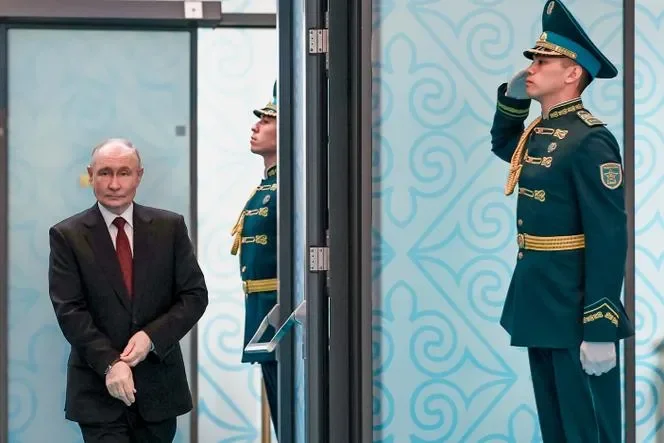
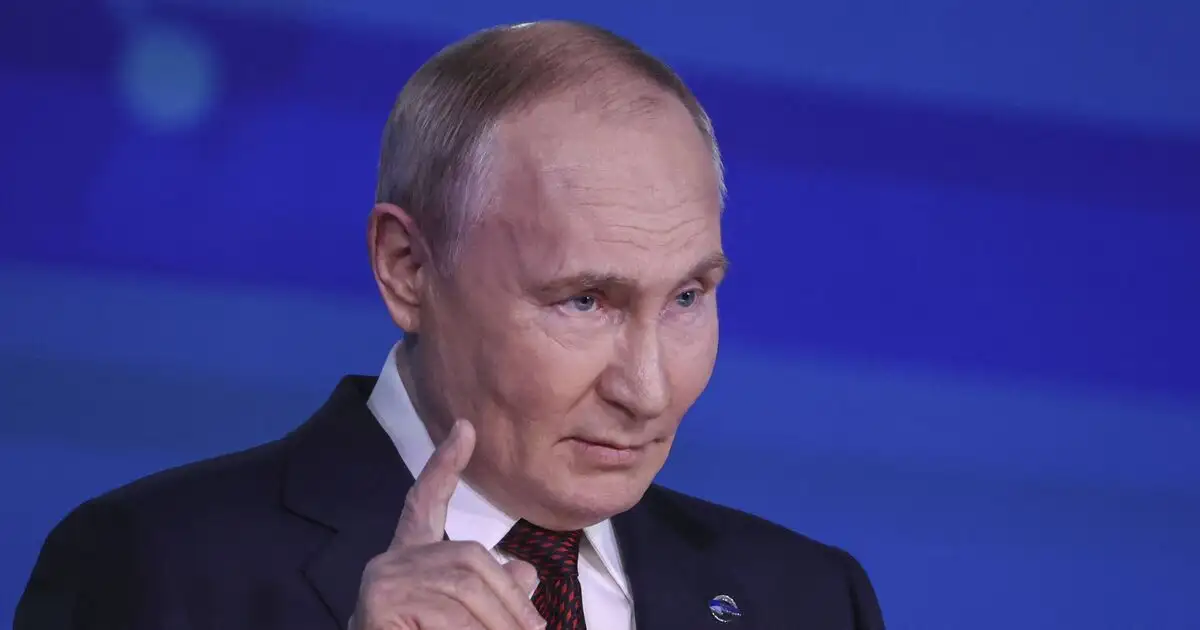
Amidst the conventional escalations, the threat of nuclear escalation looms. While the notion of World War 3 isn't new, the current intensity of fear is reportedly reaching new heights. Discussions about nuclear Armageddon are resurfacing, with some suggesting that acts of terrorism within US borders could legitimize a wider war. Russia’s President Vladimir Putin has reportedly vowed to strengthen his military and accelerate the development of his nuclear triad, a move met with accusations from Ukrainian President Volodymyr Zelensky that Putin has already initiated World War 3, with the goal of preventing a larger conflict.
Read More: Iran Warns Gulf States After U.S. Naval Clash

A DELICATE DIPLOMATIC BALANCE?
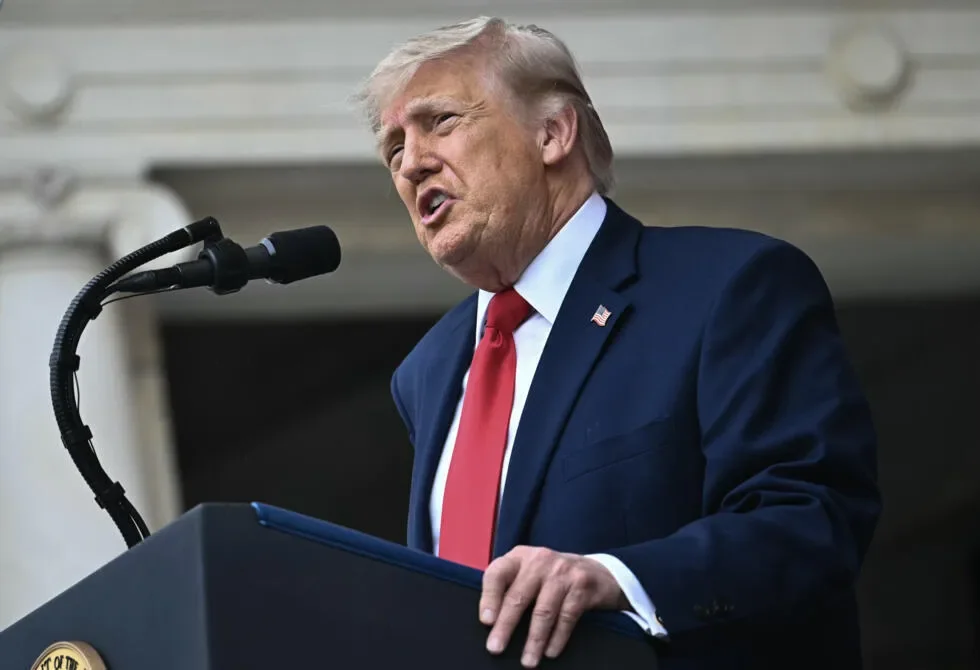
The diplomatic landscape appears fractured, with differing approaches to de-escalation. Reports suggest internal divisions among states regarding sanctions against Israel and varying opinions on how to manage the ongoing crisis. The US President is quoted as expressing frustration with the lack of clear strategy, highlighting the complexity of navigating these entangled conflicts. Some believe a focus on the Middle East could further complicate ceasefire talks between Russia and Ukraine.
HISTORICAL ECHOES AND UNFORESEEN PATHS
The current situation is being likened to the tense periods preceding past global conflicts, particularly World War 2. Experts warn that without significant intervention, the world is "inching closer" to a state of global warfare. The potential for Iran's conflict to be seen as a mere prelude to a larger war, should one erupt unexpectedly, is a chilling prospect. This sentiment underscores a pervasive feeling of fragility, where an "accident" could irrevocably alter the global order.
Read More: 40 Die in Quetta to Peshawar Bus Crash in Balochistan on April 3 2026