The Strait of Hormuz region became a focal point of escalating conflict between the United States and Iran, marked by a series of missile firings and retaliatory strikes. US forces launched attacks on an Iranian military ground control station on Qeshm Island, a key site near the Strait of Hormuz, reportedly in response to Iranian missile activity targeting Kuwait and Bahrain. These actions transpired against a backdrop of deeply troubled peace talks and a fraying ceasefire.
Exchange of Fire
Reports indicate Iran directed missiles toward Kuwait and Bahrain, though US officials claim these projectiles either failed or were intercepted. US Central Command confirmed striking an Iranian military ground control station located on Qeshm Island. Iran's Islamic Revolutionary Guard Corps (IRGC) stated its own strikes were a reprisal for an alleged US attack on a communications tower south of Qeshm Island. Kuwait's Ministry of Foreign Affairs confirmed Iran struck Kuwait International Airport, resulting in casualties.
Read More: Iran Warns Gulf States After U.S. Naval Clash
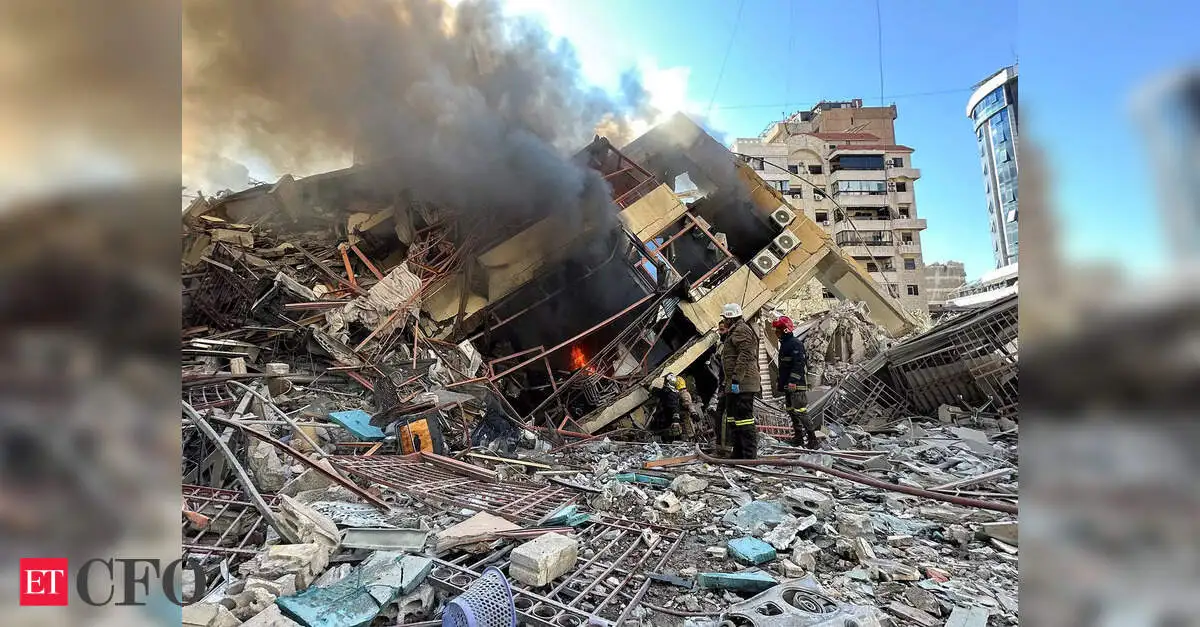
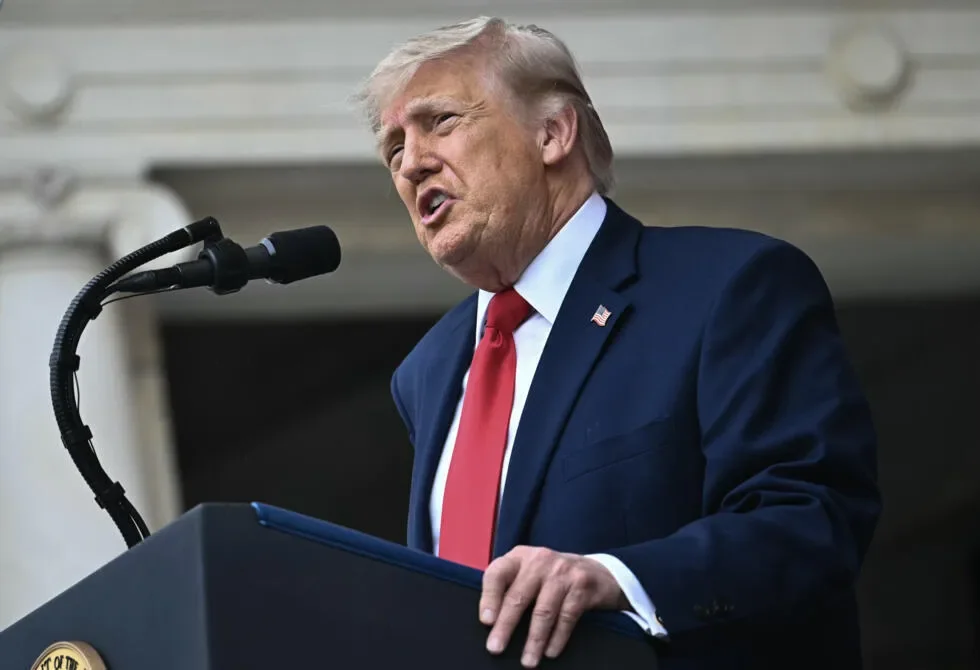
The intensified exchange of fire occurred despite ongoing, albeit faltering, negotiations. President Donald Trump offered a mixed assessment, initially not directly confirming the ceasefire's status in light of the Kuwait attack, but later asserting that talks were continuing. These developments have rekindled concerns about regional stability and the viability of US-Iran diplomatic efforts.
Regional Ramifications
Kuwait's air defenses were reportedly placed on high alert due to the regional fallout from the heightened US-Iran tensions. The ongoing friction has also seen Iran maintaining pressure on shipping routes through the Strait of Hormuz, a critical global energy corridor, prompting continued US Navy enforcement of a blockade on Iranian ports.

Underlying Pressures
The escalating military actions unfold against a backdrop of severe economic hardship within Iran, where year-on-year inflation in May reached unprecedented levels, reminiscent of the post-World War II era. This economic strain affects the daily lives of ordinary Iranians. Furthermore, the theocratic government's response to January protests, described by activists as a crackdown that resulted in over 7,000 deaths, adds another layer of internal pressure.
Read More: Gulf Oil Exports Rise in June but Still Below Pre-War Levels
Some sources suggest that fighting in Lebanon is being framed by Israel and the US as separate from the broader US-Iran war talks.