Iran has accused the United States of violating a ceasefire following overnight American strikes on missile launch sites in the southern part of the country. The development casts a shadow over ongoing diplomatic efforts to permanently end the protracted Middle Eastern conflict.
The Iranian foreign ministry, on May 26, 2026, declared the US actions a breach of the existing truce. This comes after the US Central Command (Centcom) confirmed striking targets in Iran, ostensibly in self-defense. The situation remains tense, with the Strait of Hormuz still blockaded by Iran, a move that continues to drive up global oil prices.
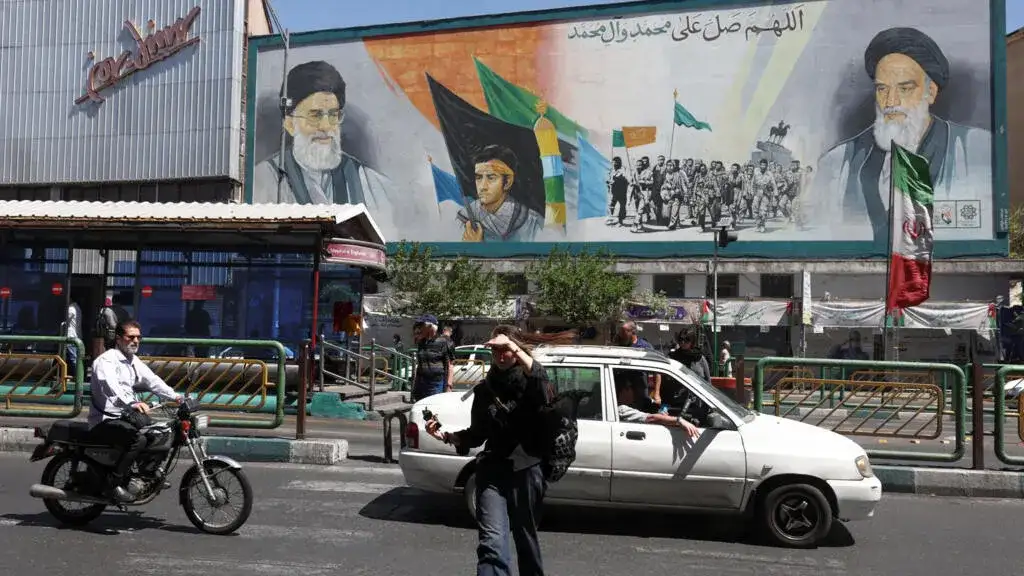
Tehran is reportedly demanding the release of $24 billion in frozen assets, according to the Tasnim news agency. Simultaneously, Iran is facing accusations and retaliatory actions. The Islamic Revolutionary Guard Corps claimed responsibility for missile strikes on Kuwait earlier this week.
Read More: AFP Reviews War Crime Claims Against Australian in Gaza
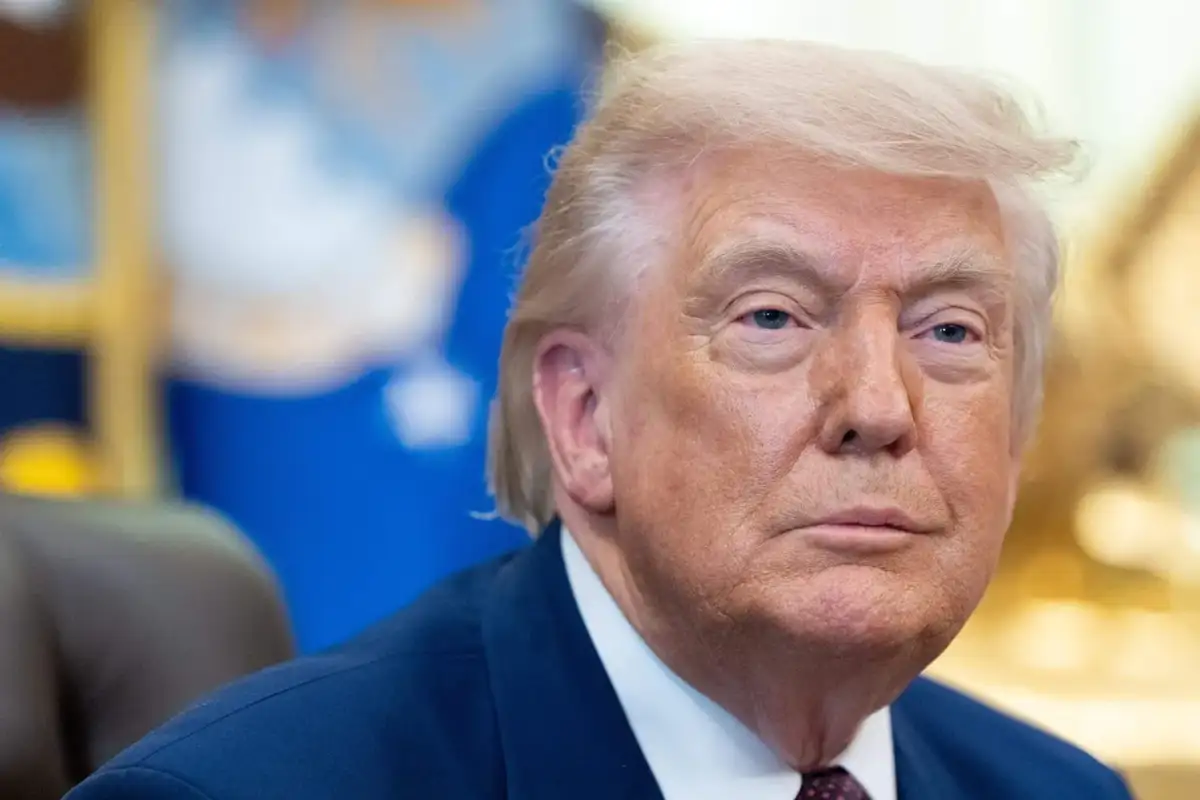
These strikes in Kuwait, which occurred early on Wednesday, saw the nation's military attempting to intercept incoming missiles. Video evidence has surfaced showing a car accident in Kuwait City concurrent with these aerial events. The Revolutionary Guard stated these actions were in retaliation for prior US attacks on an Iranian oil tanker and an island.
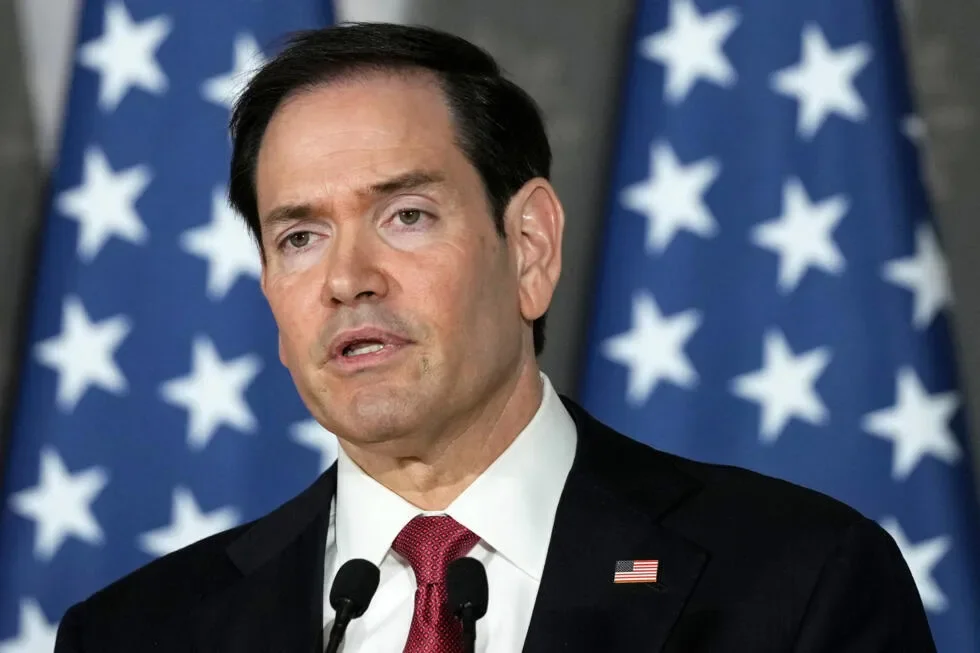
Meanwhile, Mojtaba Khamenei, Iran's Supreme Leader, is reportedly more involved in negotiations, according to US Secretary of State Marco Rubio. However, Rubio has also stipulated that US sanctions on Iran will only be lifted if Tehran abandons its enriched uranium program, explicitly rejecting any deal tied to the Strait of Hormuz.
Analysts suggest that “strategic leaks” are being employed to shape public perception amidst a diplomatic deadlock concerning the US and Israel’s actions against Iran.
Read More: Iran Warns Gulf States After U.S. Naval Clash
Background: A Fragile Truce and Lingering Tensions
The conflict, marked by a near-cessation of direct hostilities since April 8, 2026, has seen periods of fragile calm punctuated by escalating rhetoric and actions. The ongoing blockade of the Strait of Hormuz, a vital oil transit route, remains a significant point of contention and a driver of economic instability. The death of Ali Khamenei also led to retaliatory attacks from Hezbollah, an Iranian ally, launching rockets and drones from Lebanon toward northern Israel.