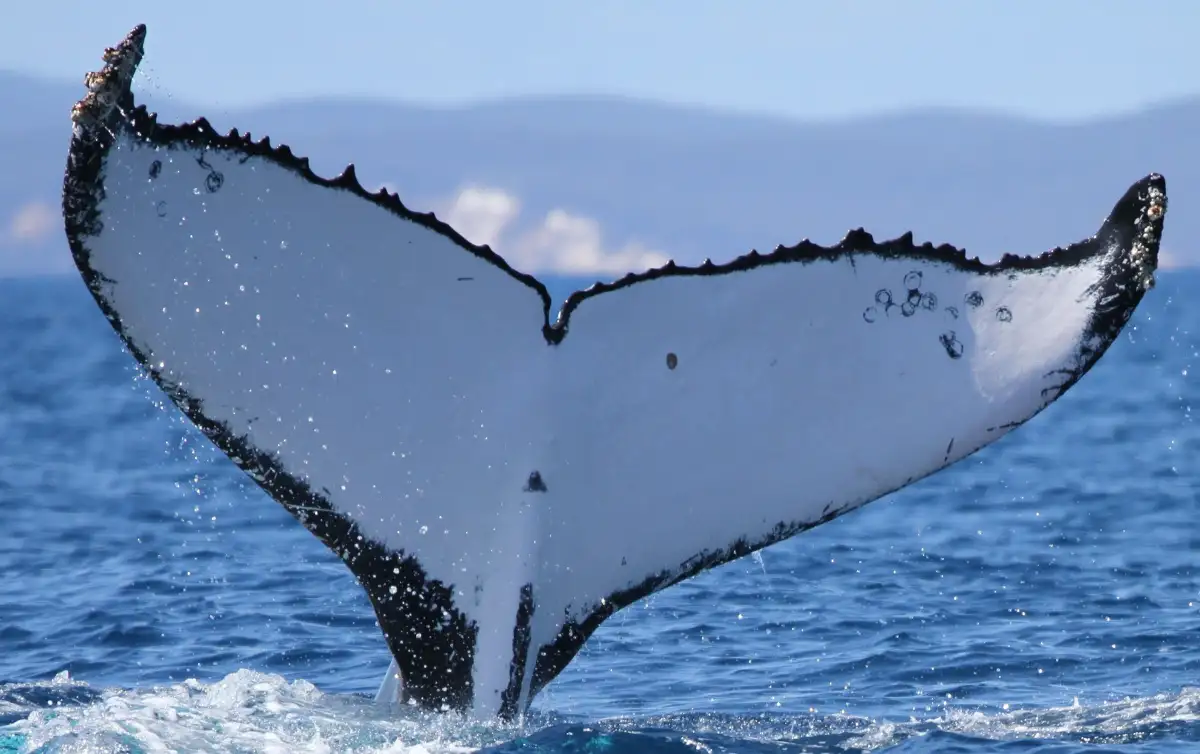
Record Transoceanic Journeys Puzzling Researchers
Two humpback whales have undertaken separate, unprecedented migrations between Australia and Brazil, setting new benchmarks for the species' migratory reach. These voyages, spanning thousands of kilometers across vast oceans, have left scientists questioning established understanding of humpback whale behavior.
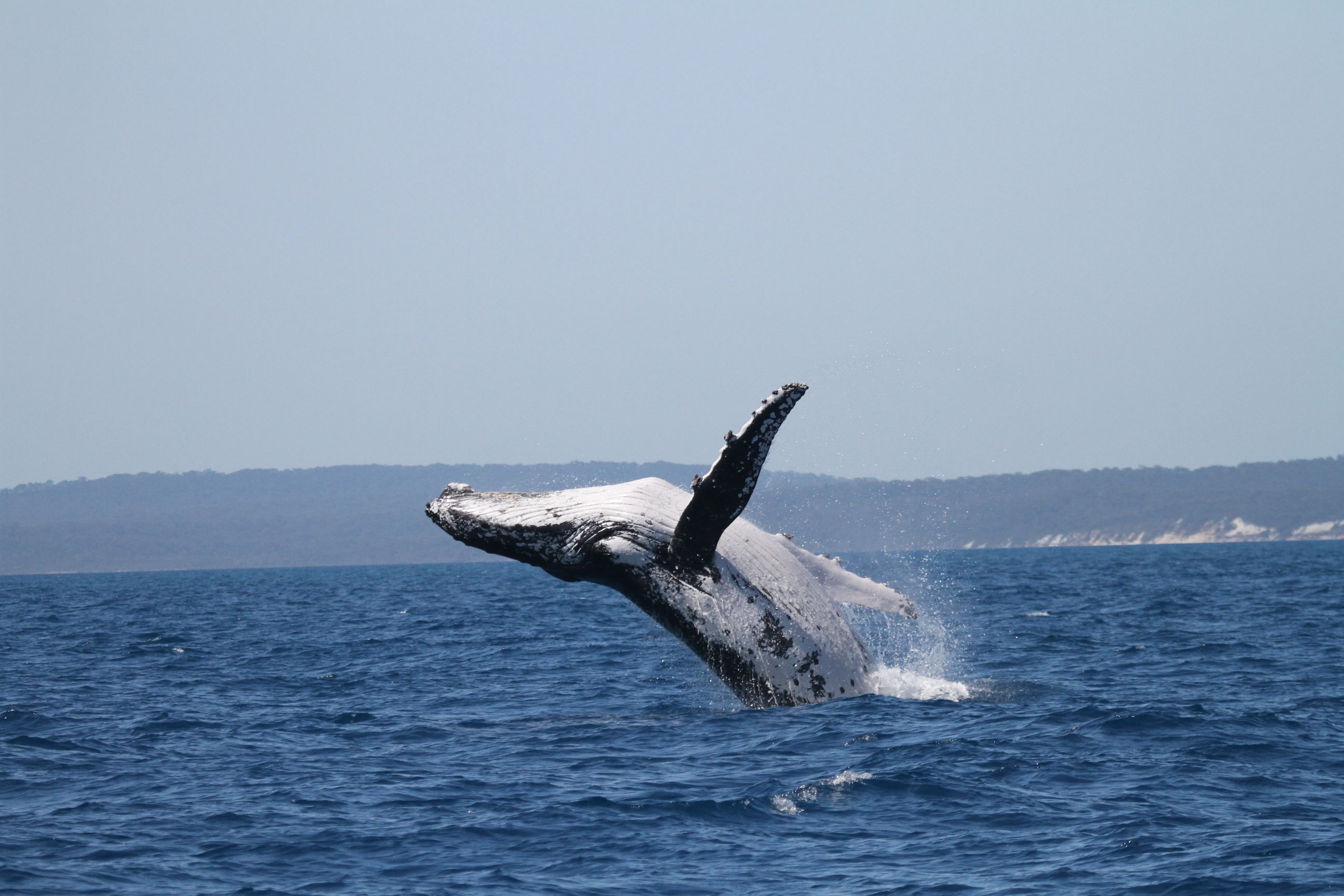
Researchers identified the whales by unique markings on their tails. One whale was observed off the coast of Queensland, Australia, in 2007, reappearing near São Paulo, Brazil, in 2019. This journey covered approximately 14,200 kilometers (8,823 miles). Another whale, first seen in Brazil and later in Hervey Bay, Australia, traversed an estimated 15,100 kilometers (9,320 miles), observed 22 years after its initial sighting.
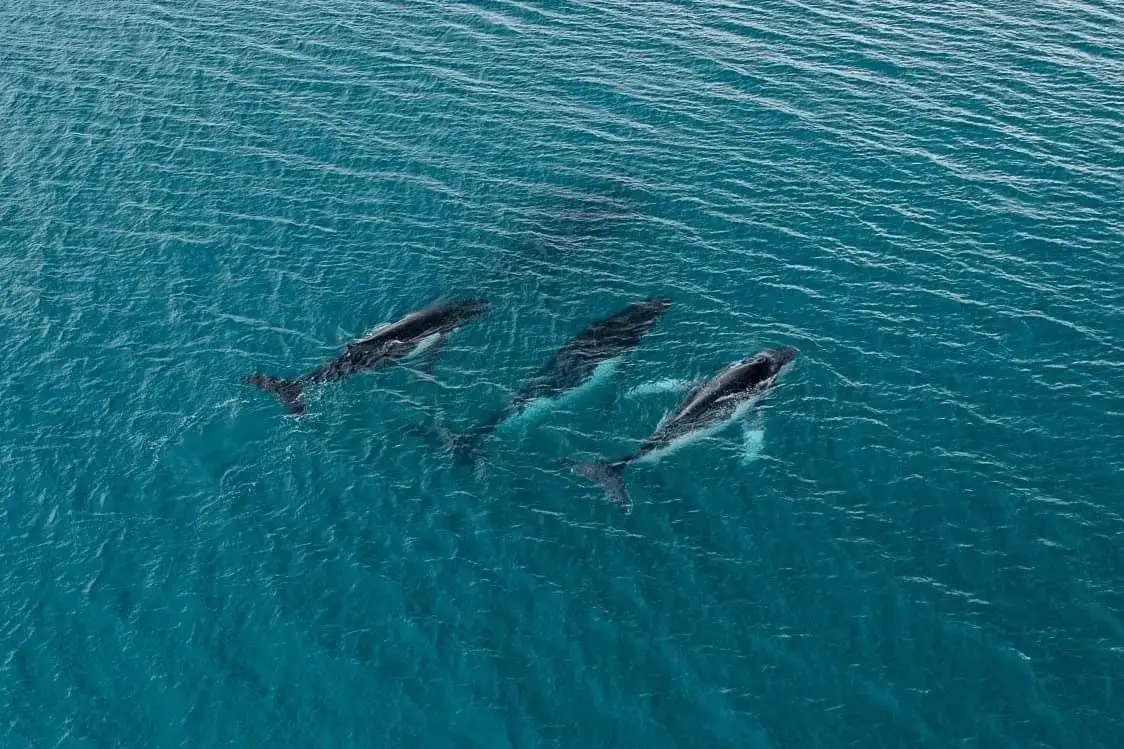
These individual feats challenge the conventional wisdom that humpback whales adhere to strict, mother-taught migratory paths and generally do not traverse between distinct breeding grounds. The reasons behind these specific whales’ deviations from typical patterns remain unclear, prompting speculation and further investigation into the complex lives of these marine mammals.
Read More: Orangutan Mothers Plan Playdates for Babies in Borneo

Possible Explanations Emerge
One hypothesis suggests a deviation from learned routes, possibly linked to the pursuit of food resources in the Antarctic. This theory posits that whales may then take an alternative path on their return, inadvertently reaching unfamiliar breeding areas. The extended distances underscore the remarkable capabilities of humpback whales, known for their long-distance movements across major oceans.
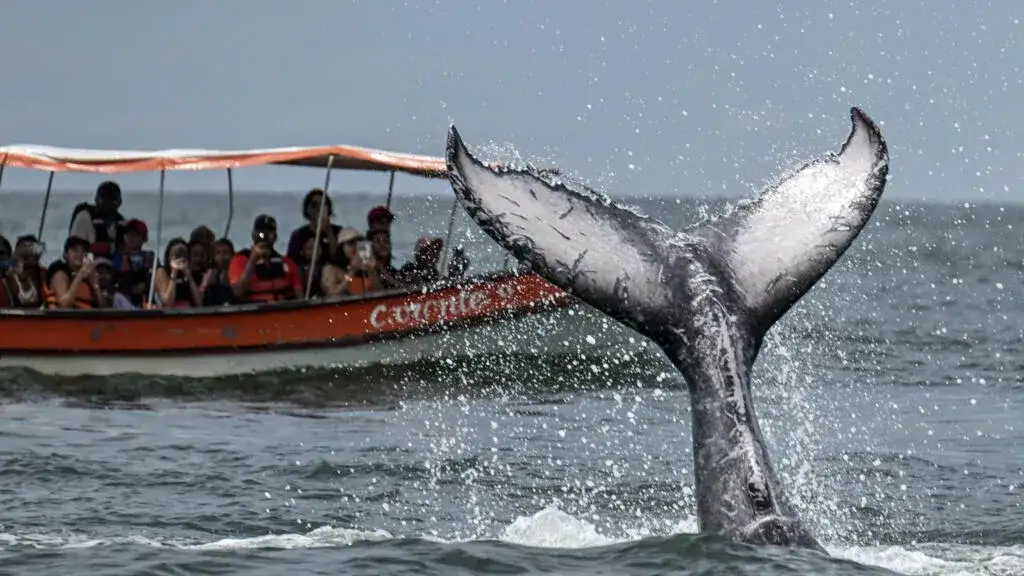
"Scientists believe these record-breaking journeys highlight the incredible distances humpback whales are capable of covering."
Uniqueness of Individual Journeys
The extraordinary nature of these crossings lies in their singularity. While humpbacks are known for their extensive migrations, moving between geographically disparate breeding populations is considered atypical. The distinct tail patterns used for identification provided conclusive evidence for these transoceanic journeys. The observation of a male whale with a tail marking described as resembling a skull has also drawn specific attention, though its significance remains a subject of discussion.
"Researchers pinpointed two different whales at breeding sites in eastern Australia and Brazil over the years, suggesting they had crossed from one place to the other."
The precise motivations driving these exceptional voyages – whether ecological, social, or a combination thereof – are subjects of ongoing scientific scrutiny. The variability in whale songs and dialects across different populations is noted, hinting at the nuanced social structures that may influence individual behavior.
Read More: Hunter Region Gets $12 Billion Train Factory