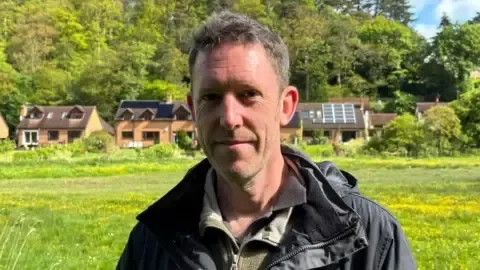
Local conservationists in Shropshire have deployed eight experimental monitoring boxes to track the remaining population of water voles, a species currently experiencing a national decline exceeding 90% since the 1970s. The initiative, led by the Shropshire Mammal Group, shifts the methodology from manual field surveys—often involving the difficult identification of minute droppings—to automated monitoring tools.
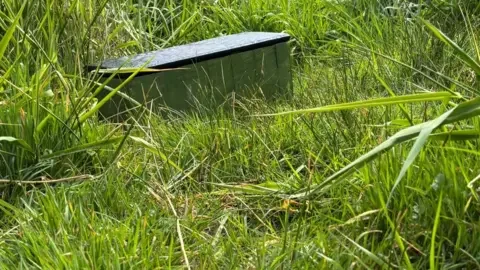
Current Deployment Details
Locations: Four boxes installed in Cudwell Meadow, Church Stretton; four boxes positioned on the Long Mynd, south Shropshire.
Objective: To standardize data collection, demonstrate project efficacy, and secure subsequent funding for a five-year county-wide mapping project.
Problem: Conventional field observation is hampered by dense vegetation and the inconspicuous size of the animals' biological markers.
“Once I have showed they are productive and they are a good effective means of getting mammal data, we can then look for more grants to try and raise a bit more money,” said Stuart Edmunds, chair of the Shropshire Mammal group.
Ecological Context and Distribution
The project functions within a broader UK framework, including the National Water Vole Database Project, which tracks both water vole and American mink distribution. The following table illustrates the strategic necessity of such interventions:
| Risk Factor | Impact on Water Voles |
|---|---|
| Habitat Fragmentation | Prevents population connection and movement |
| Climate Change | Increases environmental instability for riparian species |
| Invasive Species | The presence of American mink requires prioritized mapping |
Background: A Shrinking Habitat
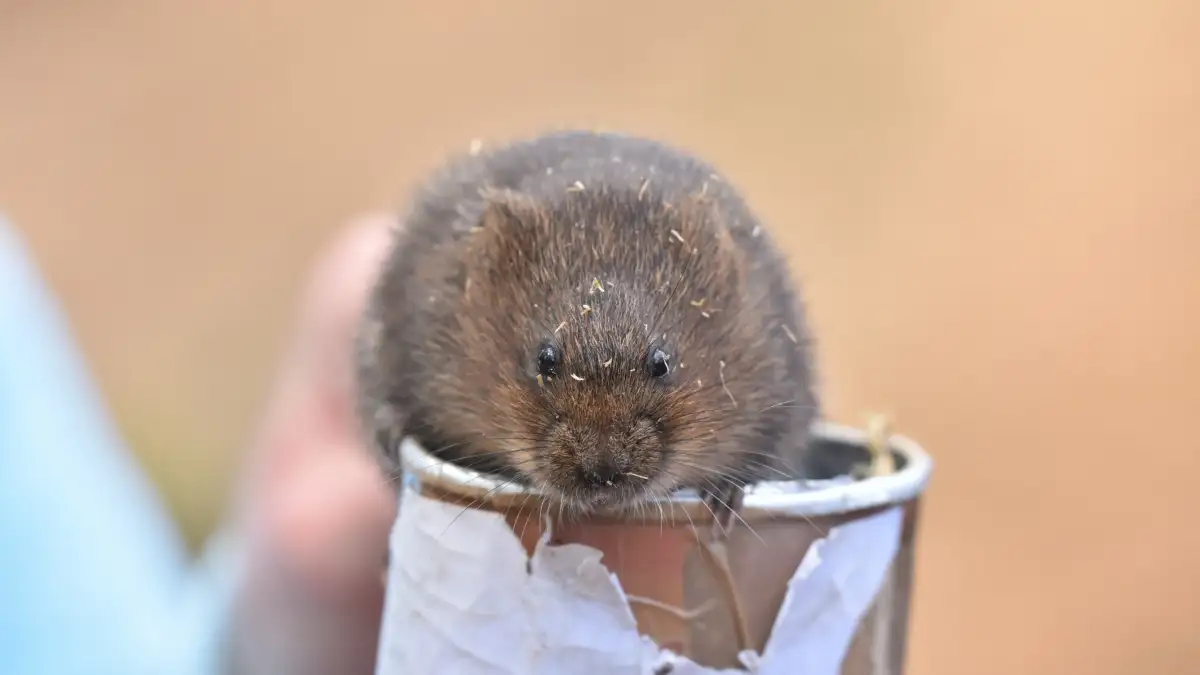
The Water Vole (Arvicola amphibius) has undergone a catastrophic range reduction over the last five decades. Environmental researchers frequently categorize this loss as a direct result of urban encroachment and landscape modification. By attempting to simplify the detection process, local groups hope to pinpoint remaining colonies, which is a necessary precursor to any substantive habitat restoration or legal protection efforts. The reliance on small-scale, self-funded projects reflects a common reality in regional wildlife management: a dependency on localized initiatives to fill gaps left by larger institutional monitoring efforts.
Read More: Orangutan Mothers Plan Playdates for Babies in Borneo