New Species, Theridion himalayana, Unearthed in Montane Forests
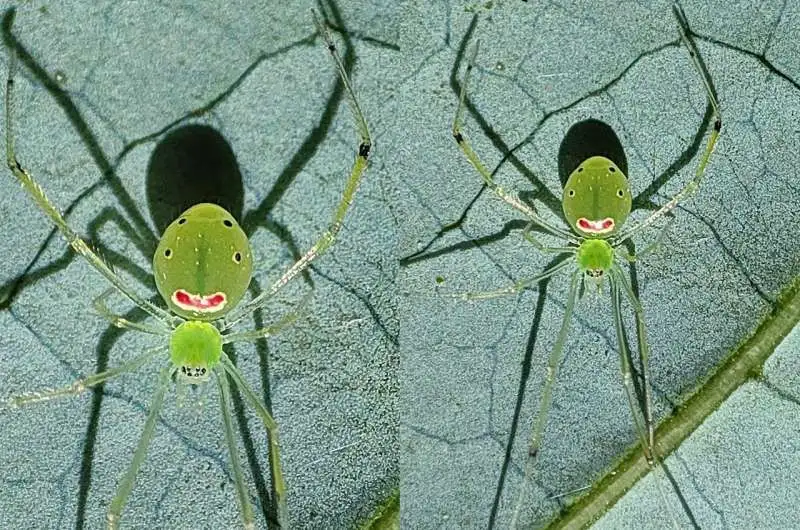
A new species of spider, distinguished by markings strikingly similar to the iconic "Happy-Face" spider of Hawaii, has been formally identified in the Indian Himalayas. The creature, christened Theridion himalayana, was discovered in the montane regions of Uttarakhand by researchers from the Forest Research Institute and the Regional Museum of Natural History.

The Himalayan discovery underscores the phenomenon of parallel evolution, where distinct species develop similar traits independently, and raises questions about the dispersal and evolution of colour polymorphism within the Theridion genus. This finding suggests that the "smiley face" pattern, long thought to be unique to the Hawaiian islands, may have a broader evolutionary history than previously assumed.

A Curious Resemblance, A Separate Lineage
While the visual similarities between Theridion himalayana and its Hawaiian counterpart, Theridion grallator, are pronounced – featuring a prominent "grin" on their abdomen – genetic analysis confirms they are distinct. A noted variation of 8.5% separates the two, establishing the Himalayan spider as a independently evolved Asian lineage.
Read More: Orangutan Mothers Plan Playdates for Babies in Borneo
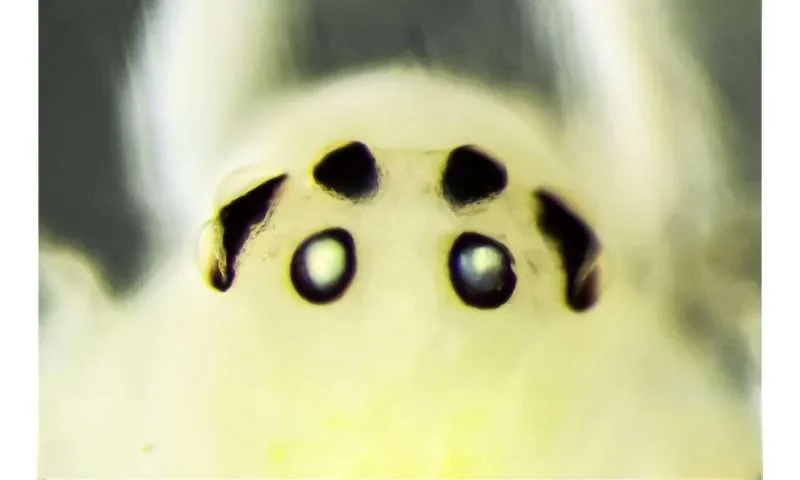
The discovery occurred at elevations exceeding 2,000 meters above sea level.
Researchers observed a remarkable degree of polymorphism in T. himalayana, documenting 32 distinct colour variations or morphs. These variations manifest in different arrangements of red, black, and white dots on the spider's body.
Both species share an affinity for ginger plants, a correlation that has fueled speculation about their ecological connections, despite ginger not being native to Hawaii.
Unanswered Questions and Ecological Concerns
The precise ecological role and evolutionary significance of the spider's distinctive markings remain an open question for researchers. The researchers involved expressed interest in exploring high-altitude spiders due to the unique environmental conditions.

The formal identification and description of Theridion himalayana were published in the journal Evolutionary Systematics.
"The distinctiveness of the species within the genus raises broader questions about lineage dispersal, parallel evolution of colour polymorphism and independent evolution of species in montane forests," noted Priyadarshini, one of the researchers.
Beyond the scientific intrigue, concerns have been raised regarding the spider's long-term survival. Human interference and habitat degradation in the fragile Himalayan ecosystems pose a significant threat, highlighting the urgent need for conservation efforts.
Background: The Allure of the Happy-Face Spider
For over a century, the Hawaiian Happy-Face spider (Theridion grallator) has captivated scientists and the public alike with its cheerful facial-like patterns. This new discovery in the Himalayas expands the known geographical range of such striking visual characteristics, opening new avenues for understanding arachnid evolution and biodiversity. The researchers involved hail from Odisha, India, with scientists from the Forest Research Institute and the Regional Museum of Natural History being key figures in this recent find.
Read More: India IVF Costs And Social Barriers Limit Access In April 2026