Significant Funding Targets Climate, Health, and Inclusive Growth
The Philanthropy Asia Alliance announced it has marshalled $615 million towards a portfolio of more than 300 distinct initiatives. The declared sum and project count signal a substantial allocation of resources aimed at addressing what are framed as critical global challenges. These efforts reportedly span domains including climate action, healthcare provisions, and broader aims of inclusive growth. Details regarding the specific mechanisms of this mobilisation or the precise distribution across these sectors were not immediately elaborated upon in the initial announcement.
Broad Strokes of Impact
The alliance's stated purpose encompasses voluntary, organised efforts directed toward socially beneficial outcomes. While the exact definition of "socially useful purposes" can shift across contexts, the Philanthropy Asia Alliance's stated targets suggest a focus on areas commonly understood as public goods. This aligns with historical understandings of philanthropy as distinct from mere charity, aiming for a more systemic or strategic improvement of the world. Such initiatives often draw on accumulated wealth, skills, or networks, with the stated intent of improving societal conditions.
Read More: Gates Foundation and Anthropic give $200M for AI in health and education
The figures released, namely $615 million and over 300 projects, position the Philanthropy Asia Alliance as a notable player in the landscape of large-scale philanthropic endeavours. The emphasis on climate action, healthcare, and inclusive growth indicates an engagement with contemporary global development priorities.
Contextualising Philanthropy
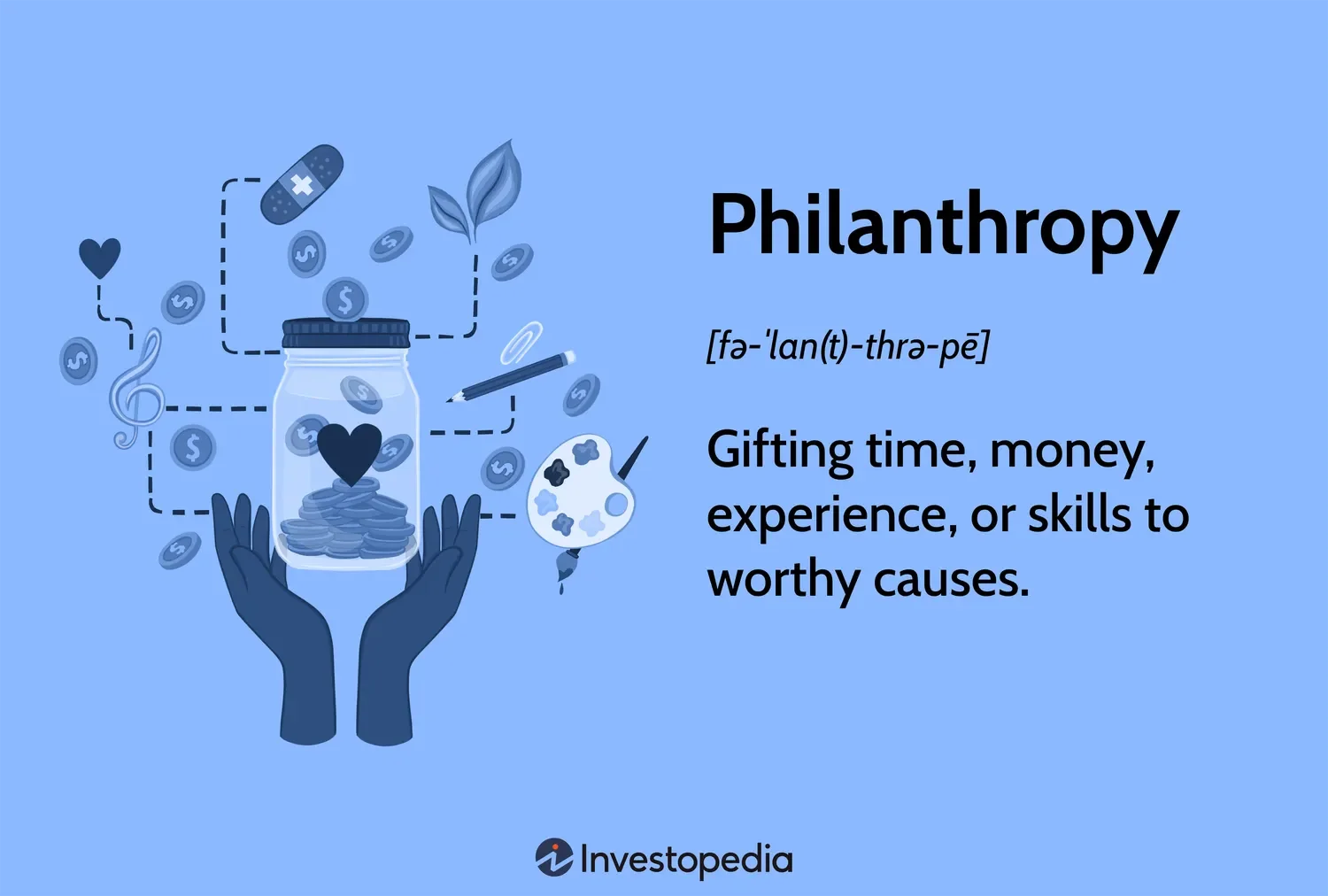
Philanthropy, understood broadly, represents private, voluntary actions undertaken with a public utility goal. This concept carries a long lineage, with historical precedents found in ancient Greece and Rome, as well as traditions like the Islamic waqf and medieval Christian charitable structures. Modern manifestations vary widely, from individual acts of giving to structured organisational networks. The distinction is often made between philanthropy and charity, with the former typically implying a wider vision or a more intentional, purpose-driven approach to improving the world. It is frequently described as an art and an act of purposeful global betterment.
Read More: Tibetan Permafrost Thaw Releases Ancient Carbon, Risks Climate Tipping Point
Organisations dedicated to studying and advancing philanthropic practices exist globally, engaging in knowledge production and debate surrounding its role. The evolution of philanthropy has seen it encompass diverse strategies, including corporate engagement and structured funds, all with the underlying aim of contributing to societal well-being, albeit with varying levels of transparency regarding specific outcomes and potential benefits for givers.