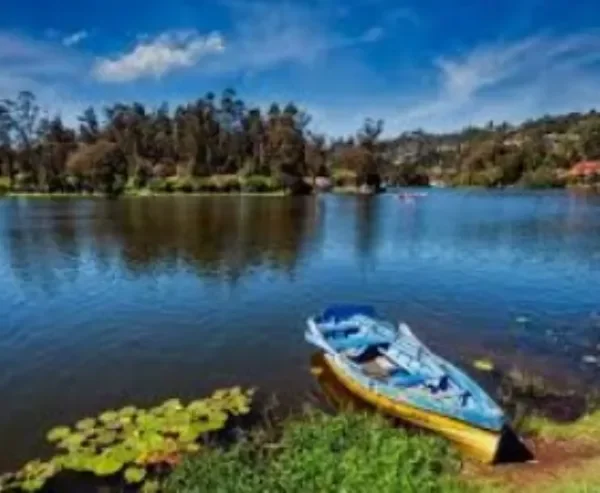
As of today, May 19, 2026, the Tamil Nadu Forest Department has indefinitely suspended tourist access to Berijam Lake near Kodaikanal. This closure follows recent confirmation of tiger movement in the immediate vicinity of the water body. Forest officials state the restriction is a direct precautionary measure to prevent human-wildlife encounters.
Core Update: The site is restricted until further notice; monitoring teams are currently active in the sector.
Status and Enforcement
Monitoring: Department staff are patrolling the perimeter to track animal activity and maintain the blockade.
Logistics: An information booth has been established near the primary parking lot to assist tourists caught by the sudden policy shift.
Scope: While the current alert specifically cites tiger movement, the area remains part of a broader, high-sensitivity ecological zone in the Western Ghats.
Historical Precedence
| Event | Year | Primary Cause |
|---|---|---|
| Current Closure | May 2026 | Tiger Presence |
| Previous Closure | June 2025 | Elephant Movement |
Contextual Environment
The Kodaikanal region operates within a protected forest corridor that functions as a transit zone for apex predators and large mammals. The recurring closure of spots such as Berijam Lake, Guna Cave, and Moir Point reflects a recurring tension between regional tourism demand and the natural behavior of wildlife, particularly during seasonal shifts.
"The safety of both tourists and wildlife is the top priority, and authorities are working to minimize disruptions while protecting the region's natural habitat." — Standard Departmental Protocol
While tourist infrastructure is built to accommodate peak vacation cycles, the proximity of wild corridors—frequented by leopards, sloth bears, elephants, and tigers—renders these closures periodic and inevitable. The department maintains that human entry into these habitats carries inherent risks that necessitate Precautionary Measures during periods of high Predator Activity.
Read More: Orangutan Mothers Plan Playdates for Babies in Borneo