A Recent Ecological Observation
Recent findings indicate a notable increase in vulture populations across western North America. Concurrently, observations suggest a disruption in their typical migratory timings. These shifts are prompting a closer look at the factors influencing vulture behavior and survival.
Noteworthy Population Growth
The surge in vulture numbers has been observed across various species. While specific figures detailing the extent of this growth require more granular data, the trend points towards a robust expansion of their presence. This increase appears to be a key driver behind altered migration patterns.
Altered Migration Schedules
Vultures are exhibiting delayed departures and arrivals in their migratory routes. This deviation from established patterns suggests environmental or resource-driven changes affecting their ancestral movements. The reasons behind these delays are still under investigation, but they point to significant environmental pressures.
Understanding the Avian Scavenger
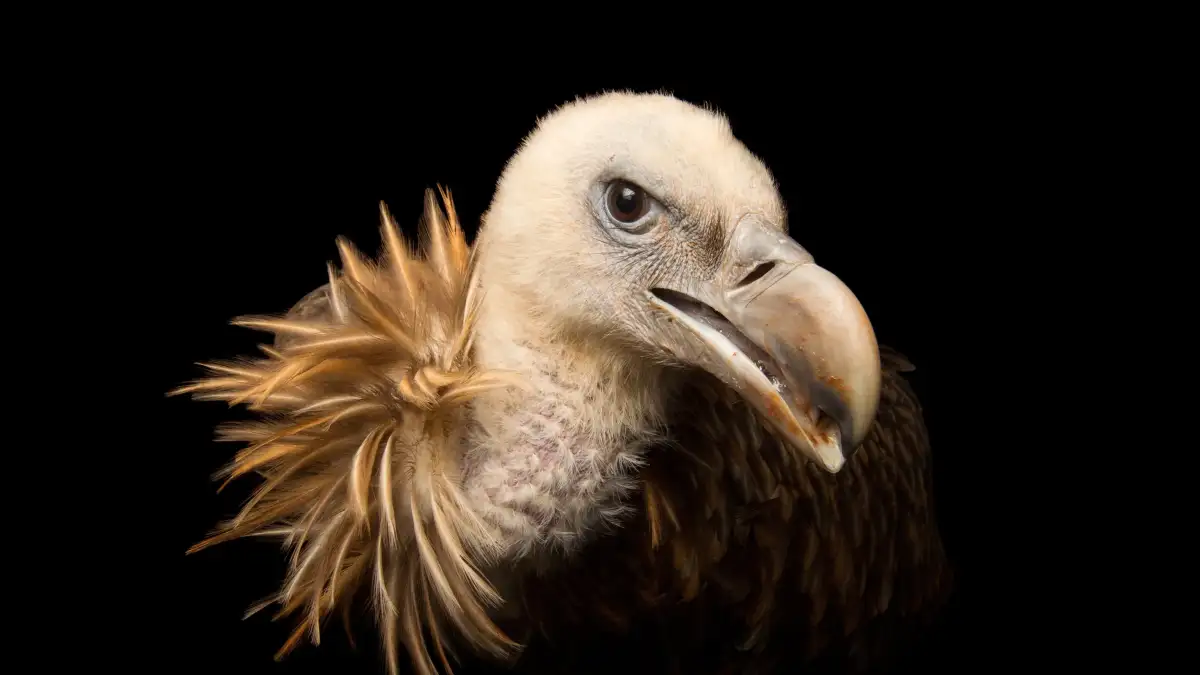
Vultures, often broadly categorized into two groups – Old World vultures found in Europe, Asia, and Africa, and New World vultures native to the Americas – play a critical role in ecosystems. They are primarily obligate scavengers, consuming carrion, which helps in disease prevention and waste decomposition.
Read More: Orangutan Mothers Plan Playdates for Babies in Borneo
Diverse Species and Habitats
The avian scavenger family boasts numerous species, each with distinct characteristics. For instance, the Griffon Vulture and Cinereous Vulture, Old World species, are known for their impressive wingspans, reaching up to 9.2 and 10.2 feet respectively. New World vultures, like condors, also belong to this diverse group.
Vultures inhabit a wide array of environments. They are commonly found nesting on:
High cliffs and rock ledges, as seen with Griffon Vultures and California Condors.
Tall trees, favored by species such as White-backed Vultures and King Vultures.
Caves or hollow logs, utilized by birds like Turkey Vultures.
Physiological and Behavioral Traits
Vultures possess unique adaptations. Old World vultures are capable of making various vocalizations, including alarm calls. In contrast, New World vultures lack a syrinx (voice box), restricting their vocalizations to hisses and grunts. Behaviorally, vultures are generally clean birds, often using their own body fluids for self-maintenance. Their reproductive strategy typically involves laying a small clutch, usually one or two eggs.
Conservation efforts are underway for several species, including the Bearded Vulture, Griffon Vulture, Egyptian Vulture, and Cinereous Vulture, particularly in Europe through organizations like the Vulture Conservation Foundation. These initiatives focus on research, reintroduction projects, and captive breeding programs to ensure their future.
Read More: Amazon Land Use Changes Cause Disease Clusters in Brazil