TOKYO - Japanese authorities are installing over 800 specialized cameras across the country's northern mountain ranges. This deployment is part of a new, centralized effort to monitor and survey the nation's bear population. The move follows a notable increase in incidents involving humans and bears. The Ministry of the Environment aims to create a more unified and effective response strategy by consolidating previously fragmented local census methods.
The surveillance initiative will initially concentrate on six major bear populations in the Tohoku region, an area that has seen a significant rise in bear-related incidents. The plan is to gradually expand the camera network nationwide over the next four years. This aims to provide a more comprehensive understanding of bear movements and numbers, crucial for managing public safety and conservation.
Since April 1st, at least five people have died in bear-related attacks, all occurring in the Tohoku region. This figure follows a record 13 fatal attacks nationwide in the previous fiscal year. The growing frequency of encounters has led to widespread anxiety among residents in northern Japan, with reports detailing bears appearing in populated areas such as shopping centers, parks, and school vicinities.
Read More: Orangutan Mothers Plan Playdates for Babies in Borneo
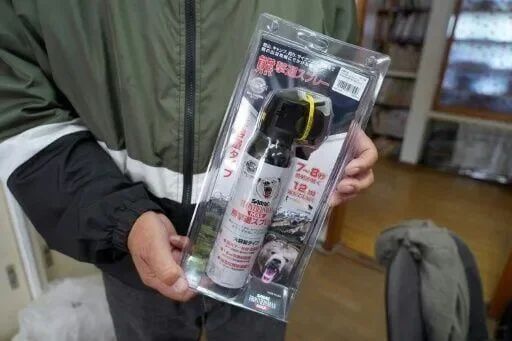
In a separate, albeit related, incident that underscores the current unease, a man was arrested on Thursday in Nagoya city for obstruction of business. Police spokesman Kenji Goto confirmed the arrest, stating the man had inadvertently discharged anti-bear spray inside a post office.
The Backdrop to the Bear Boom
The expanded monitoring system comes as bear populations have seen a resurgence in recent decades, a consequence of sustained conservation efforts. However, this rebound coincides with a period of significant demographic shifts in Japan's rural areas, characterized by rapid depopulation and an aging citizenry. The interplay between recovering wildlife and changing human landscapes presents a complex challenge for authorities attempting to balance ecological concerns with public safety. The previous ad-hoc approach to bear census-taking, with varying methodologies and timelines across different municipalities, was seen as insufficient for addressing the current surge.
Read More: Junji Ito Live-Action TV Shows Replace Anime on April 7 2026