Diplomatic Overtures Mark Venezuela's Post-Maduro Era
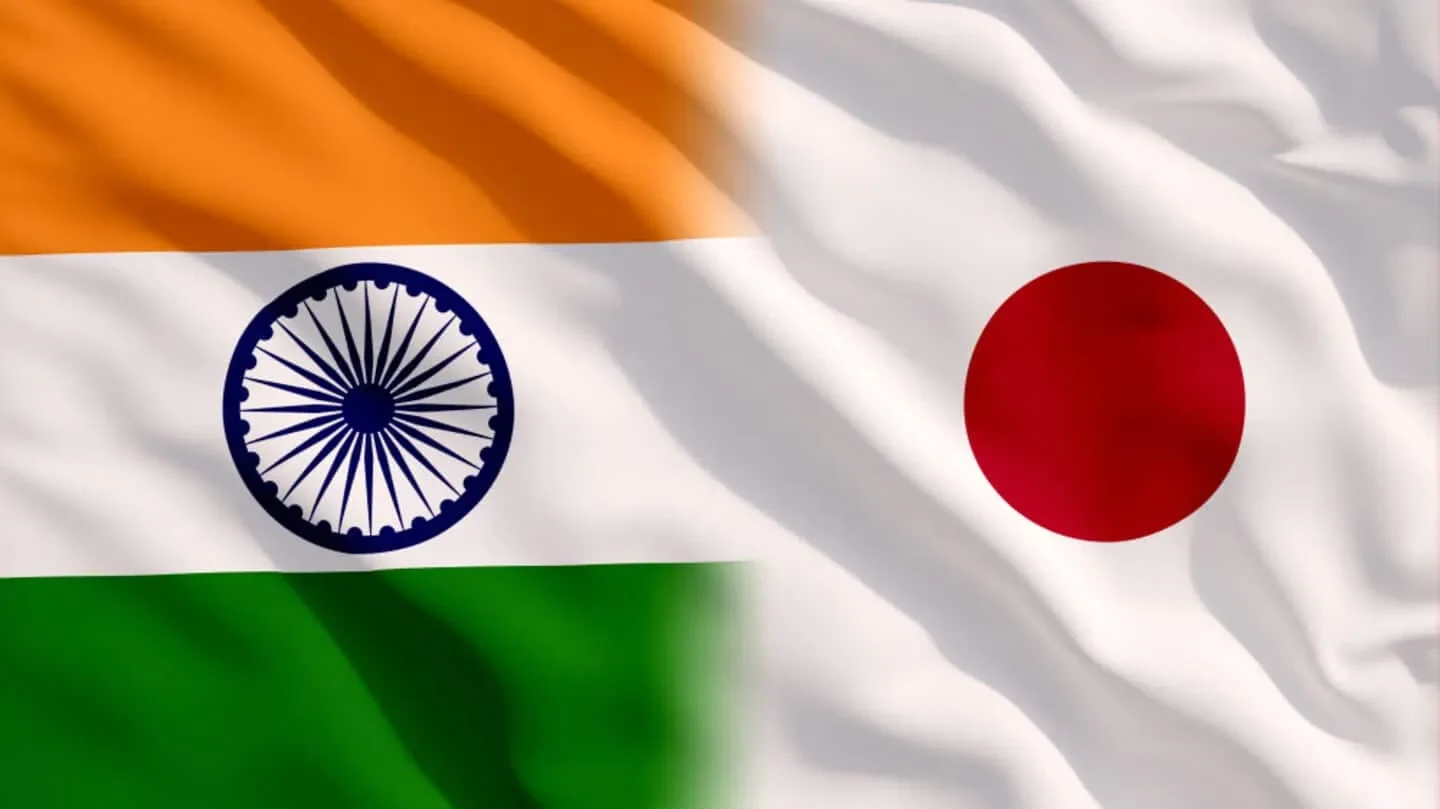
Delcy Rodriguez, Venezuela's acting president, is slated to visit India starting June 3rd. This upcoming trip occurs against a backdrop of significant diplomatic realignments for Venezuela. The nation has been engaged in a series of moves to mend relations, particularly with the United States, following the reported capture of Nicolás Maduro in late January 2026.
The rapprochement with the U.S. has included the lifting of sanctions against key Venezuelan figures, including Rodriguez herself, and the resumption of oil exploitation by American companies. This period has also seen the release of numerous political prisoners in Venezuela, framed by the government as steps toward national reconciliation and free elections.
Shifting Alliances and Internal Developments
The timing of Rodriguez's visit to India, a major global player and a key member of BRICS, suggests Venezuela's effort to diversify its international partnerships. This comes after a notable thaw in U.S.-Venezuela relations, which reportedly began in earnest following Maduro's capture. The U.S. has eased economic sanctions and engaged in dialogue, with figures like Nobel Peace Prize winner María Corina Machado also making high-level contacts in Washington.
Read More: Taiwan Holds Nantou County Drills to Prepare for State Collapse
Venezuela has also enacted a broad amnesty law, leading to the liberation of hundreds of political detainees. The effectiveness and scope of this law, however, have been questioned by rights groups, who continue to report ongoing arbitrary detentions, disappearances, and torture within the country's detention centers. Concerns also persist regarding the country's dire health situation, marked by resurgent diseases like malaria and a collapsed healthcare system.
A Nation in Transition
The period since January 2026 has been characterized by a series of symbolic and substantive changes in Venezuela. These include:
Diplomatic Engagements: Direct talks and meetings between Venezuelan representatives and U.S. officials, including reports of a high-ranking U.S. official visiting Caracas.
Prisoner Releases: Multiple announcements regarding the liberation of political prisoners, culminating in a promise to release up to 300 over a five-day period.
Economic Re-engagement: The resumption of oil activities by U.S. companies and discussions with European firms, alongside the unfreezing of Venezuelan assets held in the U.S.
Legal Reforms: The promulgation of an amnesty law and the commitment to organize free elections.
Human Rights Concerns: Despite official pronouncements, non-governmental organizations continue to highlight grave human rights violations, including threats to NGOs, arbitrary detentions, and reports of torture.
The circumstances surrounding Maduro's capture remain somewhat nebulous, with various accounts, including mentions of a mysterious weapon and even U.S. President Donald Trump alluding to a potential visit to Venezuela or the country becoming the "51st state."
Read More: AFP Reviews War Crime Claims Against Australian in Gaza
Background: Venezuela has experienced prolonged political and economic instability. The period prior to January 2026 was marked by international sanctions, widespread shortages, and significant emigration. The reported capture of Nicolás Maduro appears to have been a pivotal moment, catalyzing a series of diplomatic shifts and domestic policy changes aimed at stabilizing the nation and reintegrating it into the global community.