Pacific and Caribbean Waters Become Arenas for Lethal Operations
The United States military has conducted a series of deadly strikes on vessels in the eastern Pacific and Caribbean Sea in recent days. The most recent operation, just two days ago, saw three individuals killed in the eastern Pacific. This follows a similar strike in the Caribbean Sea four days prior, which resulted in two fatalities. These actions represent a heightened tempo of operations targeting vessels accused of illicit trafficking, though definitive evidence linking these specific boats to drug smuggling has not been widely presented by U.S. authorities.

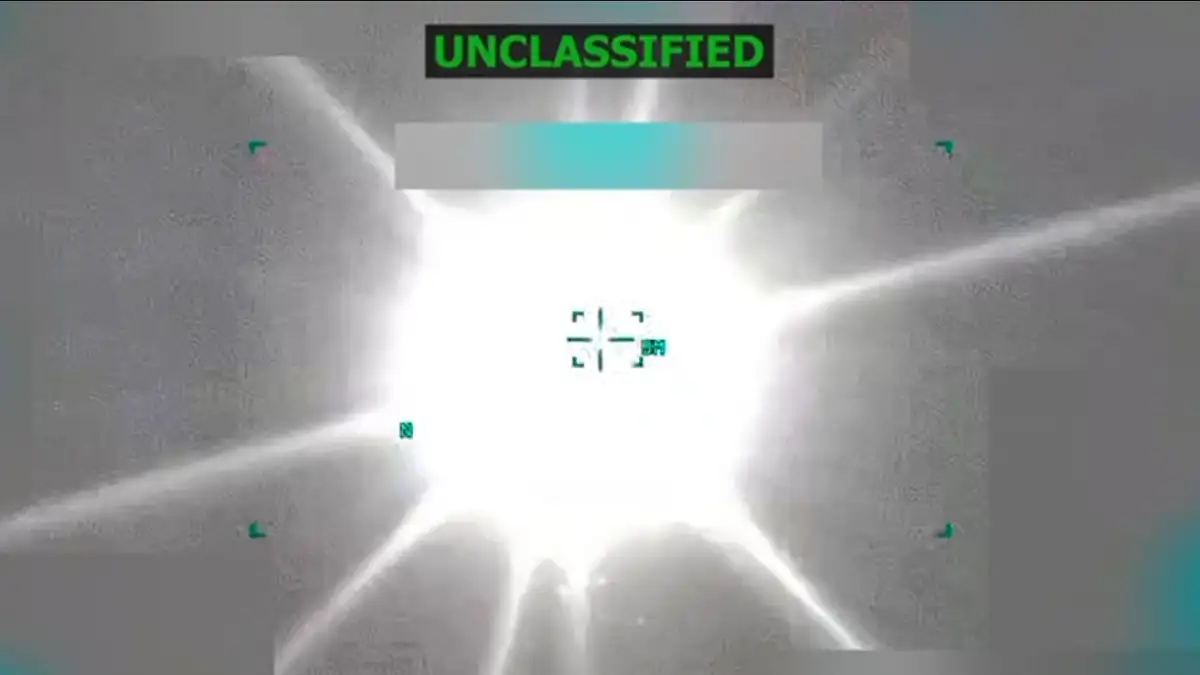
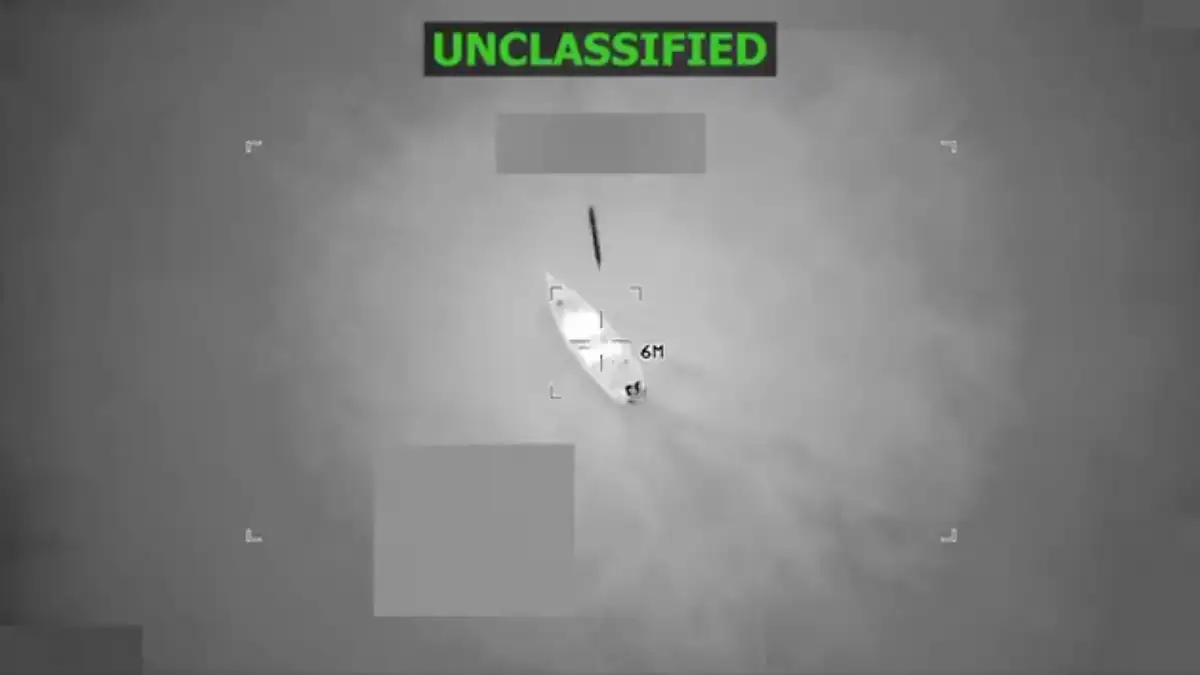
The U.S. Southern Command has stated these strikes target "narco-terrorists" operating along "known smuggling routes." In the latest eastern Pacific incident, the individuals killed were described as "male narco-terrorists." A video was released on X, reportedly showing a vessel engulfed in flames after being hit.
Read More: Iran Airstrikes: US Officer Says Few Civilian Deaths, But Damage is High

The administration's justification for these kinetic actions, particularly the lack of public evidence proving the vessels' cargo, has drawn criticism from rights groups labeling them "extrajudicial killings." While the military asserts these operations are aimed at disrupting drug trafficking, the absence of concrete proof for each instance raises questions about due process and the legality of the engagements.
In a broader context, these maritime operations occur against a backdrop of shifting geopolitical strategies. Reports indicate the U.S. is also preparing a naval blockade of Iranian ports, a move announced by the Trump administration following the breakdown of ceasefire talks with Iran in Pakistan. This dual focus suggests a multi-pronged approach to international pressure, with maritime interdiction forming a key component in both counter-narcotics efforts and broader foreign policy objectives.
Read More: AFP Reviews War Crime Claims Against Australian in Gaza
The campaign of striking alleged drug-trafficking vessels in Latin American waters has been ongoing since at least September 2025. The Pentagon reports that these operations have resulted in the deaths of at least 190 people. Previous strikes have also led to injuries or fatalities among Colombian citizens.
The renewed spate of boat strikes began in late January 2026. This initiative has targeted suspected drug-smuggling vessels, with at least two strikes in January alone resulting in two deaths and one survivor each. The ongoing nature of these attacks, and the consistent pattern of fatalities and a single survivor, highlights a sustained military posture in these waters.