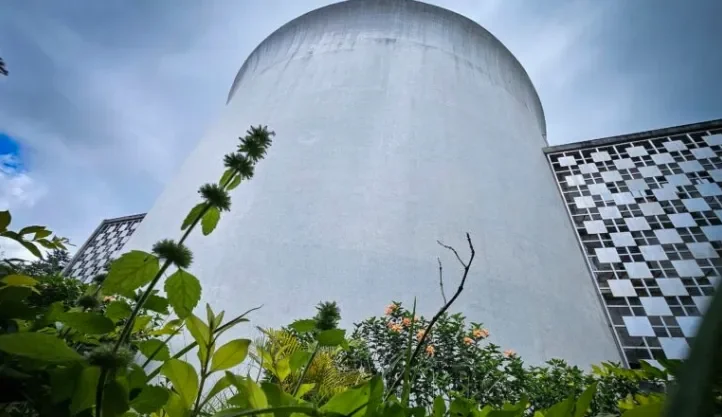
The United States, through the National Nuclear Security Administration (NNSA), has completed the removal of all enriched uranium from Venezuela's RV-1 reactor. The retrieved materials are reportedly en route to facilities in South Carolina. This operation marks a significant move in nuclear security efforts, aimed at reducing global nuclear security threats and preventing the proliferation of weapons-related materials. The RV-1 was Venezuela's sole nuclear reactor and among the earliest research reactors in Latin America.
The Venezuelan government, while confirming the secure extraction of the material from the RV-1 reactor at the Venezuelan Institute for Scientific Research (IVIC), has not specified the final destination of the nuclear material. However, an official U.S. statement from the Department of Energy indicates the materials are headed for South Carolina, a state with existing infrastructure for handling such materials, including uranium recovery operations as noted by the Office of Environmental Management.
Read More: Rubio Visits Rome to Ease US-Italy Tensions Over Iran War
This development occurs against a backdrop of heightened global nuclear security concerns, particularly with Russia and China expanding their uranium enrichment capabilities and nuclear infrastructure. The U.S. has been actively seeking to secure vulnerable nuclear materials worldwide, a stated priority goal involving various government agencies and international cooperation. This endeavor aligns with broader U.S. energy security strategies, which include diversifying and securing the enriched uranium supply chain, a sector historically reliant on Russian services.
Venezuela has historically maintained it does not possess biological, chemical, or nuclear weapons. The nation ratified the Treaty of Tlatelolco, establishing a nuclear-weapon-free zone in Latin America, and later the Treaty on the Prohibition of Nuclear Weapons. However, the country has engaged in nuclear cooperation agreements with Russia and explored uranium deposits with Iran in the past. These efforts, particularly concerning nuclear energy capabilities, have faced challenges due to Venezuela's ongoing financial difficulties.
Read More: Rubio: NATO needs allies' bases for US operations
The removal of enriched uranium from Venezuela underscores the persistent challenge of managing and securing nuclear materials globally. This operation, characterized as a major nuclear security operation, is intended to mitigate risks not only for South America but also for the U.S. homeland. The United States' commitment to reducing nuclear security threats is a long-standing national security objective, involving numerous agencies and stakeholders in a coordinated effort.
Context and Background
Venezuela's nuclear program has primarily focused on research and development, with the RV-1 reactor serving as a key facility. While the country has never pursued nuclear weapons, its past collaborations and stated interests in nuclear energy have placed it on the radar of international nuclear security bodies. Recent geopolitical tensions and Russia's increasing influence in the nuclear fuel cycle have intensified efforts by the U.S. and its allies to secure critical nuclear materials and strengthen domestic supply chains. The U.S. itself has been working to reduce its reliance on foreign enrichment services, looking towards domestic production and conversion of existing materials, including dismantling old nuclear warheads, for advanced reactor fuel.
Read More: Trump Halts Hormuz Operation After Saudi Arabia Denies Airspace Access