Sanctions Extend to Joint Venture, Company Leader
New United States sanctions, announced this week, directly target GRUPO DE ADMINISTRACION EMPRESARIAL S.A. (GAESA), a conglomerate described as being controlled by Cuba's military. The designations, made under an executive order signed on May 1, also ensnared Moa Nickel, a joint venture involving Canada's Sherritt International. Following the announcement, Sherritt International declared its withdrawal from the venture, marking the end of a 32-year involvement on the island. Additionally, Ania Guillermina Lastres, identified as the Executive President of GAESA and a key figure in managing its international assets, has been added to the U.S. blacklist.
The U.S. State Department framed these actions as efforts to protect national security and to cut off access to illicit assets for Cuba's "kleptocratic communist system." Officials state that GAESA operates within the financial services sector of the Cuban economy, while Lastres is cited for her leadership role within the conglomerate.
Read More: US Takes Enriched Uranium from Venezuela to South Carolina
Rationale and Wider Impact
U.S. Secretary of State Marco Rubio defended the sanctions, asserting they are not aimed at the Cuban populace. He characterized GAESA as an entity that "is taking anything that makes money in Cuba and illegally putting it into the pockets of a few regime insiders." These measures come amid an existing U.S. energy blockade that has contributed to widespread power and water outages, alongside severe shortages of gas and water on the island.
Cuban authorities have pushed back, labeling the sanctions as "collective punishment" intended to cripple the island's economy. They contend that these policies, particularly under the Trump administration, disregard the welfare of ordinary Cubans in favor of political maneuvering.
Expanding Authority and International Context
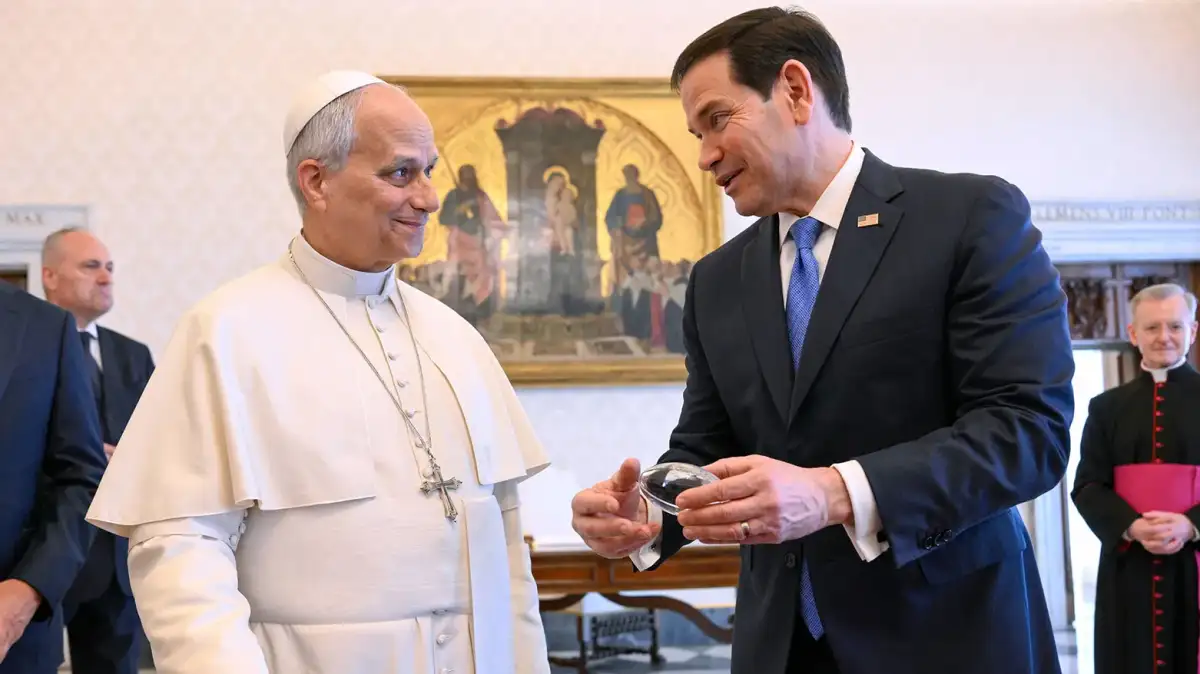
The new designations, announced on May 7, significantly broaden the U.S. government's capacity to impose sanctions on both third-country nationals and firms. Lee Schlenker, a research associate at the Quincy Institute’s Global South program, noted that the executive order from May 1 greatly expands the legal framework for such actions. The timing of these sanctions follows Secretary Rubio's discussions at the Vatican, where the humanitarian situation in Cuba was reportedly a topic of conversation. It is understood that further sanctions against Cuba may be forthcoming.
Read More: Seattle Seahawks Sale: Fewer Buyers Than Expected for Championship Team