A massive air operation involving over 155 aircraft and hundreds of special forces troops was launched to rescue downed airman Dude 44 Bravo from Iran. The mission, which penetrated 200 miles inside Iranian territory, has become the subject of intense speculation, with some suggesting the publicized rescue was a cover for a more clandestine objective: the alleged seizure of Iranian uranium.
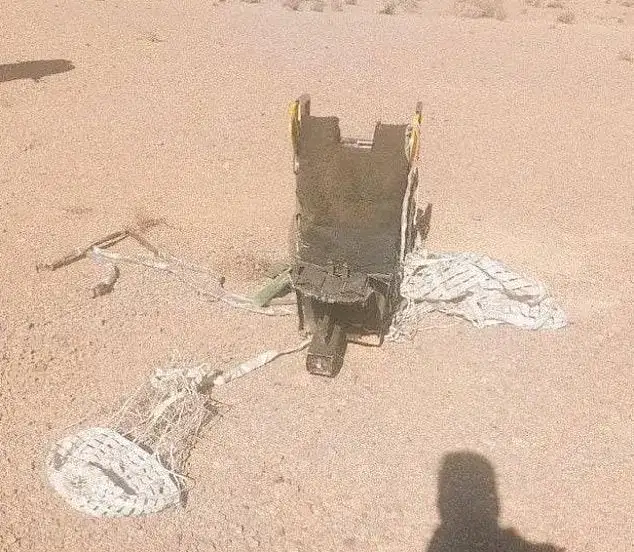
The sheer scale of the operation, described as the "most audacious air combat search-and-rescue mission in American history," has fueled these doubts. Reports indicate a staggering deployment of aircraft, including bombers, fighters, refuelling tankers, and dedicated rescue craft. This extensive aerial armada, coupled with hundreds of ground personnel, has led to questions about whether a simple airman recovery could necessitate such a formidable military show of force.
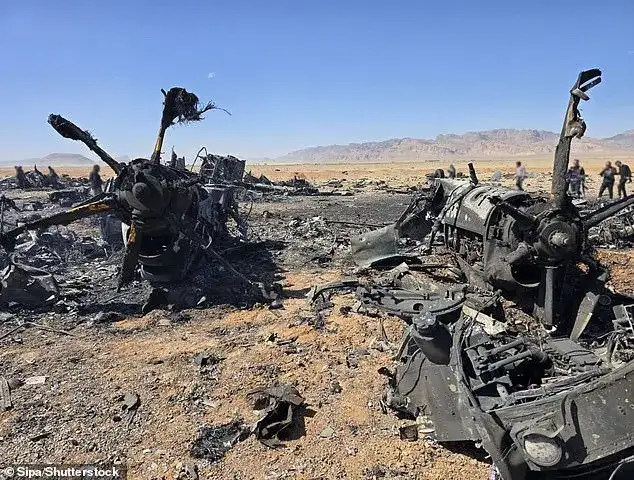
Subterfuge was reportedly a key element. Officials indicated that deception tactics were employed, including sending aircraft to various locations to distract Iranian forces away from the actual location of the stranded airman. Two MC-130J Commando II aircraft became mired on a muddy runway, a technical issue that allegedly necessitated a second, even larger, rescue wave. This contingency further amplified the scale of the operation, with US bombers reportedly creating a defensive perimeter.
Read More: Iran Airstrikes: US Officer Says Few Civilian Deaths, But Damage is High
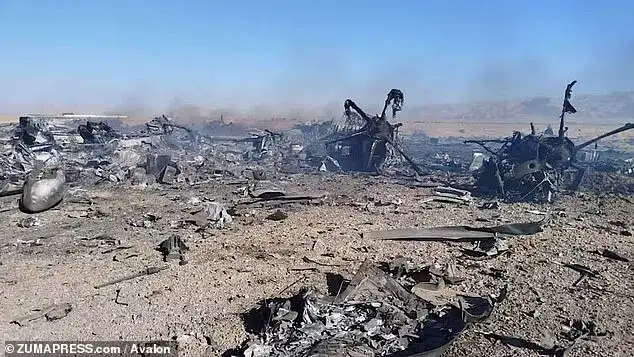
The official narrative centers on the successful recovery of the airman. Witnesses and officials have hailed the mission as an incredible feat of combat search and rescue, emphasizing the bravery of the personnel involved. The airman, identified as Dude 44 Bravo, and his crew members had ejected and activated their rescue beacons, aiding in their localization.

Historical Context and Unanswered Questions
The narrative of a dual-purpose mission, however, persists. While the rescue itself is widely acknowledged, the possibility that it was not the entire story remains a point of contention. Skeptics argue that the extensive resources committed could believably accommodate a secondary, unacknowledged objective, such as a high-risk operation to obtain Iranian nuclear material. The technical difficulties encountered during the operation, leading to a second extraction phase, have been cited by some as a potential disruption that either exposed or complicated a pre-existing, covert agenda.
Read More: AFP Reviews War Crime Claims Against Australian in Gaza
The presence of an 'air armada' exceeding 155 planes, including bombers, fighters, refuelling tankers, and rescue aircraft, alongside hundreds of special forces troops, underscores the unusual nature of the deployment. This scale has prompted assertions that the mission was intended not only to recover the downed airman but also to "snatch Iran's uranium." While this remains an unconfirmed assertion, the sheer magnitude of the operation invites scrutiny and alternative interpretations.
Read More: US strikes ships in Pacific and Caribbean, 5 dead