


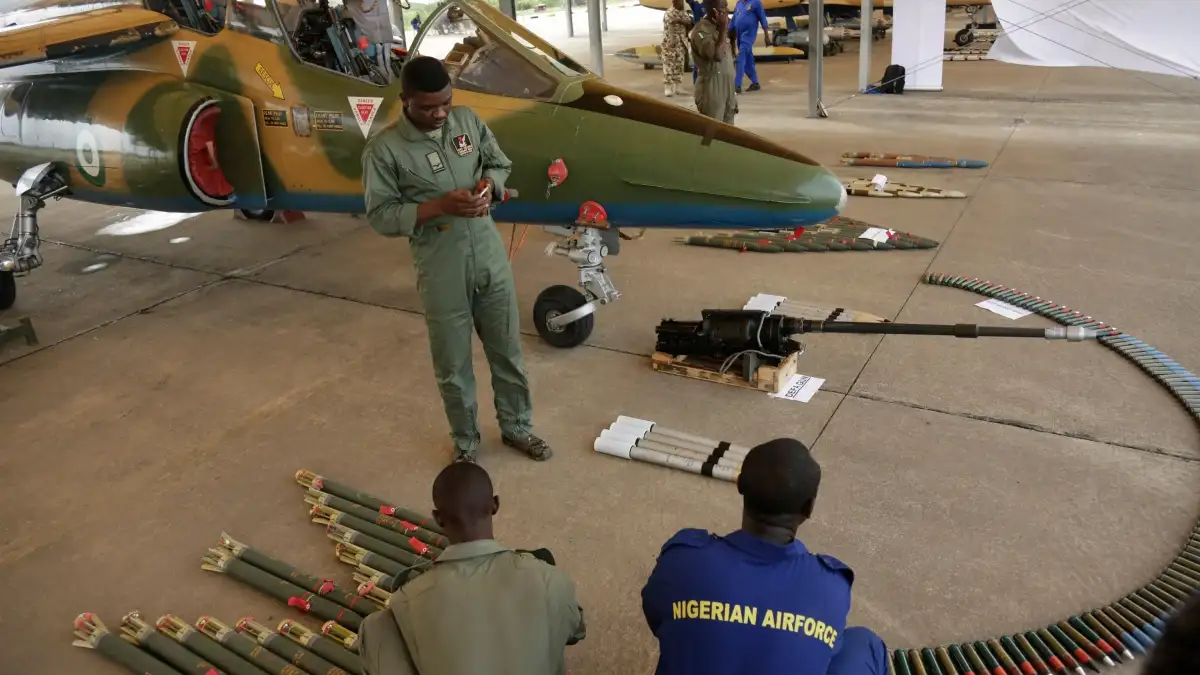
Dozens, potentially over 100, have been reported killed following a Nigerian Air Force strike on a market in Jilli village, near the border of Yobe and Borno states. The incident, which occurred on Saturday, has prompted an investigation by the Nigerian Air Force (NAF), which has directed the activation of its Civilian Harm Accident and Investigation Cell (CHAI-Cell) to ascertain the facts.
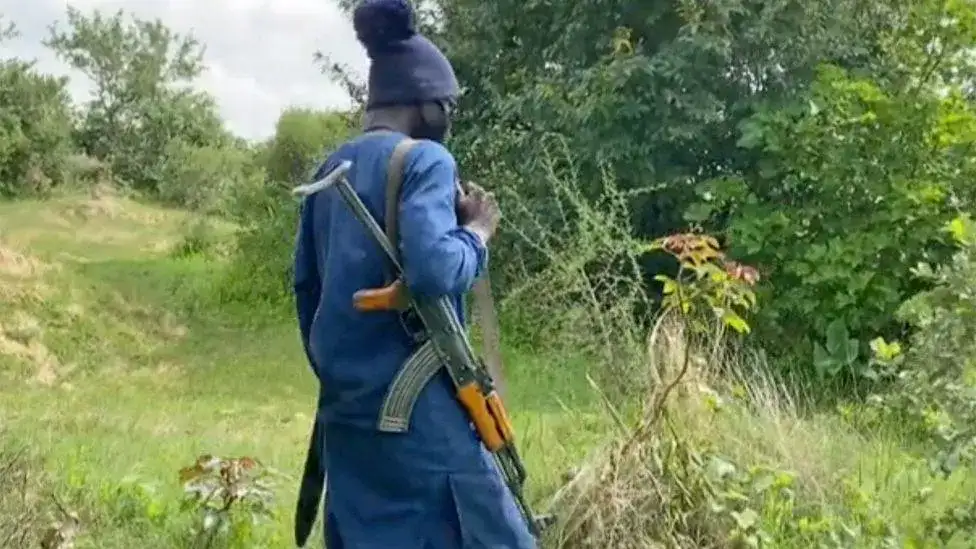
The strike, reportedly targeting jihadist rebels, hit a civilian gathering, with casualty figures varying widely but consistently pointing to a significant loss of life. Reports from survivors, local media, and Amnesty International suggest at least 100 fatalities, with some estimates from Reuters citing up to 200 possible deaths. Injuries have also been widely reported.
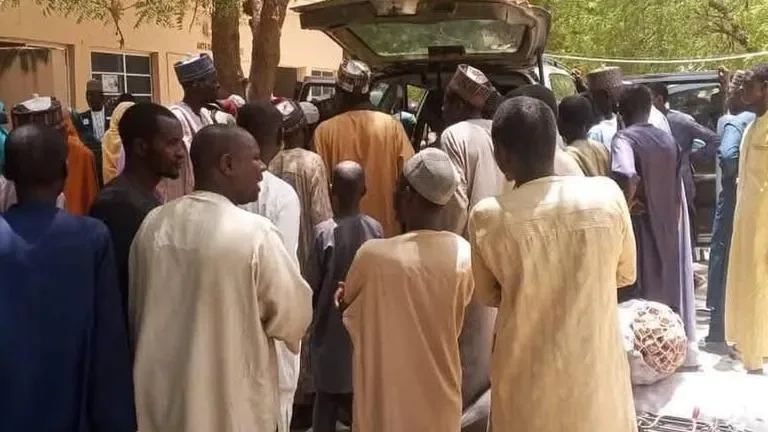
The Yobe State Government has stated the air strike targeted a Boko Haram stronghold in Jilli market, which it described as a Boko Haram enclave and a notorious terrorist logistics hub. However, officials have confirmed a misfire occurred, though specific details remain undisclosed. The Nigerian Air Force initially confirmed "mop-up air strikes in the Jilli axis."
Read More: Iran Airstrikes: US Officer Says Few Civilian Deaths, But Damage is High
Conflicting Accounts Emerge
Local residents and organizations like Amnesty International claim a substantial number of civilians, including children, perished. =One account from a market trader indicated he was at the market to buy animals when struck.= In contrast, the Yobe State Government, through its Special Adviser on Security Matters, has emphasized the strike's objective against terrorist elements. The Governor of Yobe State, Babagana Zulum, has also stated that the market in question was closed five years ago, raising further questions about the targeting.
Investigation Underway
The NAF's directive for an immediate investigation by the CHAI-Cell aims to gather information on the ground to verify the allegations of civilian casualties. Security analysts, previously, have highlighted concerns regarding intelligence gathering and coordination between different military branches and stakeholders in such operations.
Read More: Tinubu Governance: Critics Say Politics Over Policy Since May 2023
Background Context
The region of northeastern Nigeria, particularly Borno State, has been the epicenter of a prolonged jihadist insurgency for over a decade. Prominent militant groups include Boko Haram and its breakaway faction, the Islamic State West Africa Province (ISWAP). Civilians have frequently been caught in the crossfire, with military air raids being a common tactic against armed groups controlling large areas. The Attorney General and Minister of Justice, Lateef Fagbemi, recently noted that nearly 400 individuals had been convicted for terrorism-related offenses. These reported misfires, unfortunately, are not unprecedented in Nigeria's ongoing counter-insurgency operations.


