The United States military has carried out multiple strikes against vessels allegedly involved in drug trafficking, resulting in the deaths of at least four individuals in the latest incident. Defense Secretary Pete Hegseth confirmed the strike on a boat in the eastern Pacific Ocean, stating that all four people aboard were killed. This marks a recent escalation in a broader campaign targeting alleged drug-carrying boats off the coasts of South America and in the Pacific.
The recent actions represent a continuation of a pattern of U.S. military engagement against suspected drug trafficking operations, characterized by a series of strikes resulting in numerous fatalities.
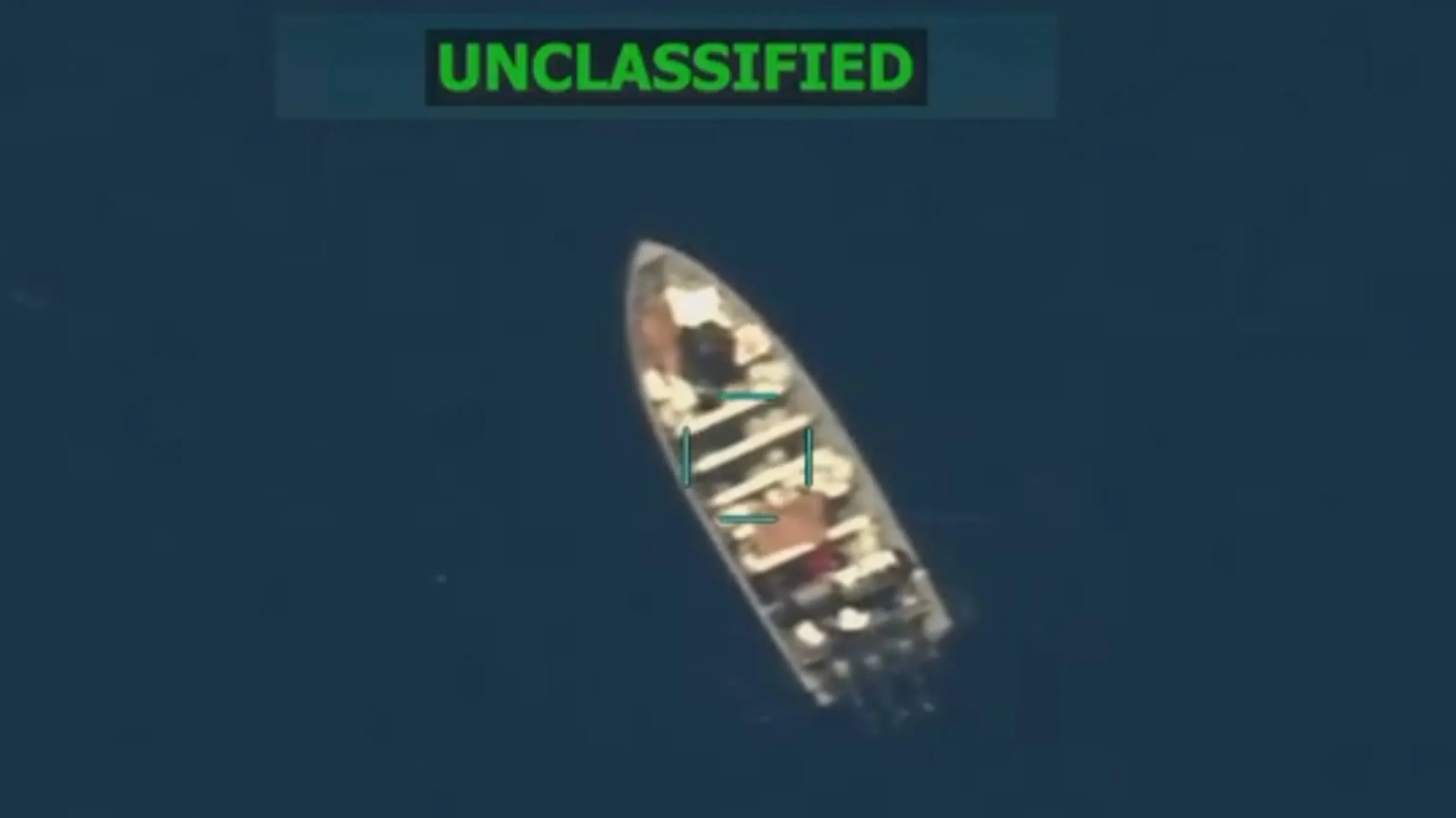
Reports indicate that the latest strike follows a series of similar operations. Earlier in the week, strikes against four alleged drug vessels in the eastern Pacific resulted in 14 deaths, according to Hegseth. These actions are part of a larger U.S. military effort that has reportedly involved at least 26 strikes on suspected drug-trafficking vessels in the eastern Pacific or Caribbean since September. The cumulative death toll from these operations is estimated to be approaching 100 individuals or more, with some reports indicating figures as high as 163 people across more than 45 strikes since last September.
Read More: Iran Airstrikes: US Officer Says Few Civilian Deaths, But Damage is High
The Pentagon has provided justifications for these strikes, with US Southern Command stating that intelligence confirmed vessels were transiting known drug-trafficking routes and engaged in such operations. Secretary Hegseth has asserted that those aboard were "narco-terrorists" and that the U.S. viewed these actions as self-defense.

However, the campaign has drawn criticism and raised legal questions. Some international lawyers have described the strikes as a potential breach of international law. Concerns have also been raised about the lack of publicly presented evidence by the Trump administration to substantiate the claims of drug trafficking for all targeted vessels. The administration's approach, including President Donald Trump's designation of fentanyl and its precursors as weapons of mass destruction, and his stated intent to treat drug traffickers as unlawful combatants, has fueled debate over the legality and authorization of these military actions.
Read More: AFP Reviews War Crime Claims Against Australian in Gaza
There are also political dimensions to the campaign. Senator Mark Warner, ranking Democrat on the Senate Intelligence Committee, has stated that the Trump administration has briefed Republicans on these strikes but not Democrats, and has demanded similar briefings for his party. The strikes have also coincided with periods of tension between the U.S. and Venezuela. The legality of strikes in or near Venezuela has become a point of contention, with discussions around potential war powers resolutions in the Senate. In one instance, survivors of an initial strike on a boat were reportedly killed in a subsequent strike, a controversial move that has generated accusations of possible war crimes. Hegseth has acknowledged this second strike, stating he supported it, though he indicated he learned of it after it occurred.
Read More: US strikes ships in Pacific and Caribbean, 5 dead