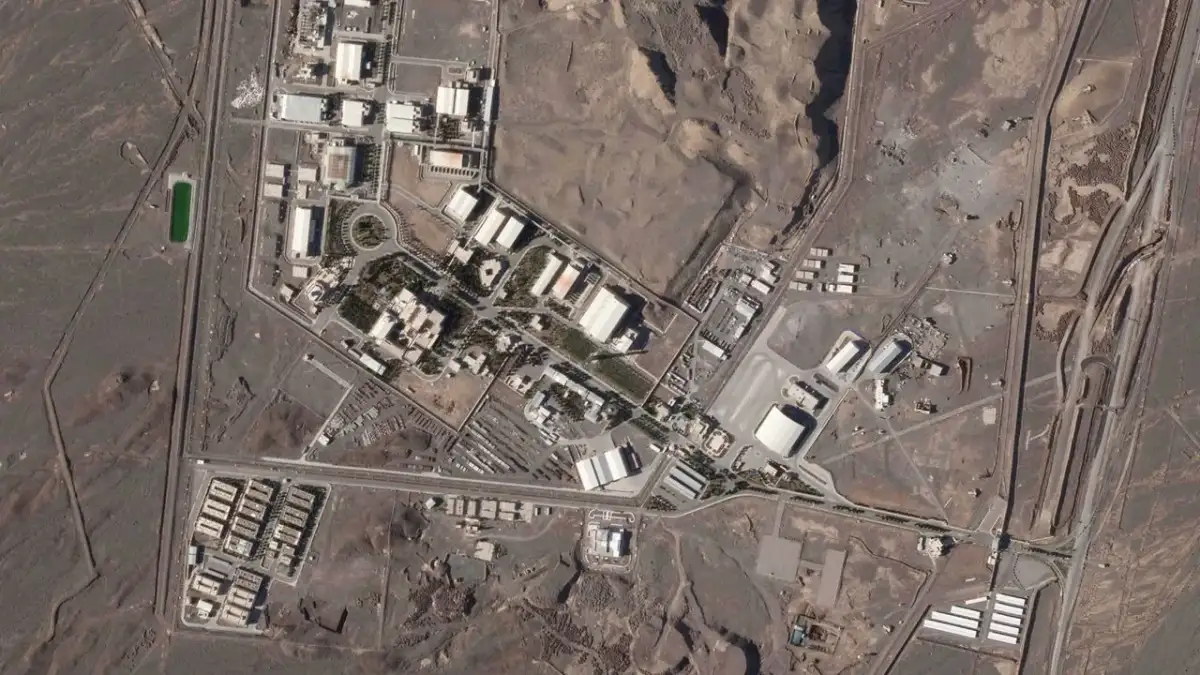
Washington – United States forces launched fresh strikes targeting Iranian missile launch sites and minelaying vessels, U.S. Central Command (Centcom) confirmed on Tuesday. These actions, described by officials as defensive, occurred overnight and are seen as a direct challenge to the seven-week-old ceasefire between the two nations. While the U.S. emphasized that the strikes do not signal an end to the ceasefire, the renewed military engagement casts a long shadow over ongoing peace negotiations.

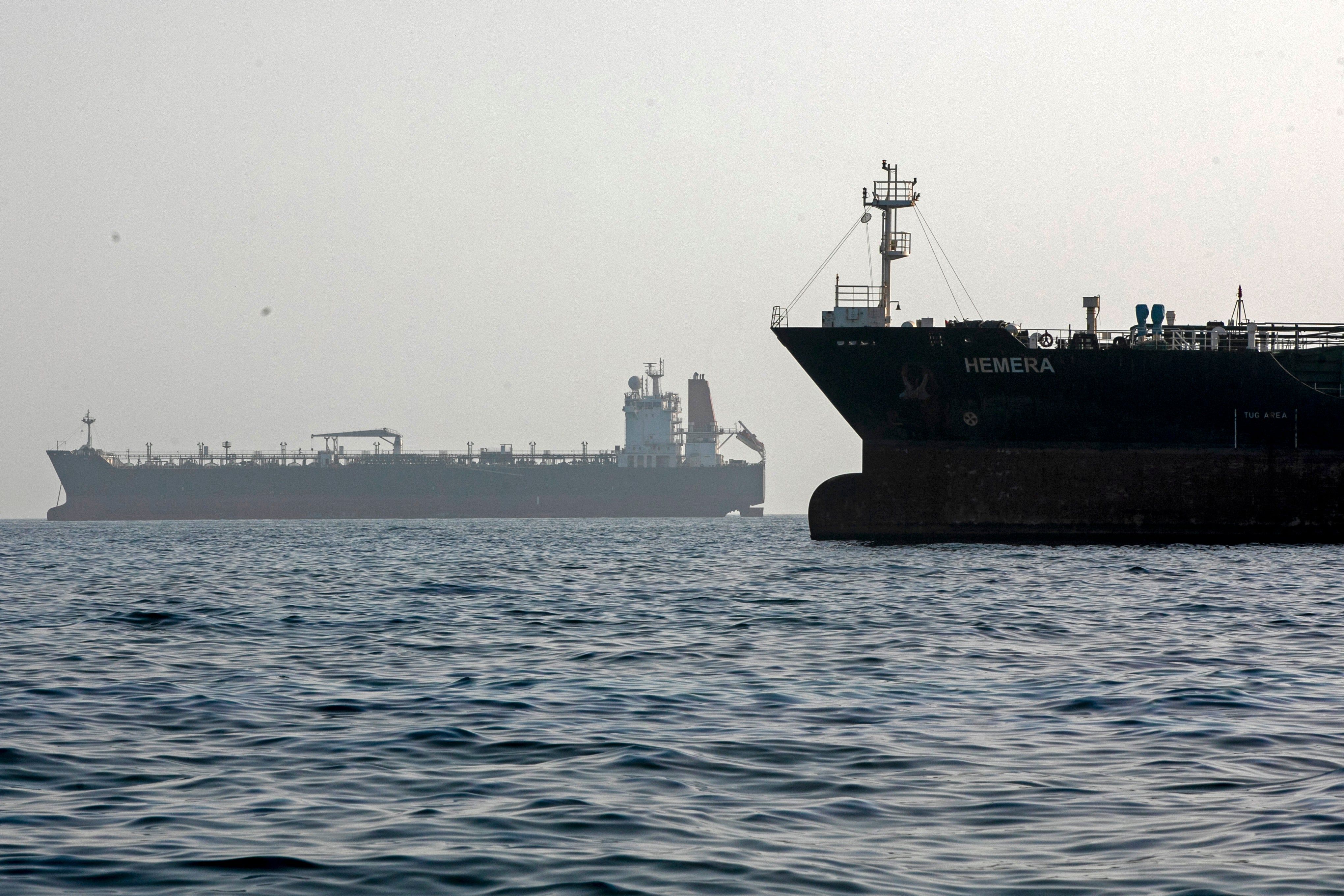
The strikes hit a missile launch site and two Iranian boats allegedly engaged in laying mines in the Strait of Hormuz. This critical waterway, a major global oil and gas transit route, remains a significant point of contention. Iran has indicated that its cooperation on opening the Strait is contingent on its inclusion in any peace memorandum, alongside a ceasefire in Lebanon.
Read More: Iran Zagros Mountain Nuclear Site Construction Update April 2026
"What's happening there is unlawful, it's illegal, it's unsustainable for the world, it's unacceptable."
This statement, attributed to U.S. officials, underscores the U.S. stance on Iran's actions concerning the Strait of Hormuz. Meanwhile, Iran has reportedly prepared a 14-point framework for a potential peace deal and has expressed readiness to retaliate for the strikes.
Nuclear Tensions Remain High
The military exchanges occur as diplomatic efforts to resolve the broader conflict, which began with U.S.-Israeli airstrikes on February 28, continue. Talks regarding Iran's nuclear program are expected to follow within a 30- to 60-day window after any initial agreement. President Trump has previously issued a warning demanding that Iran hand over or destroy its stockpile of 440kg of 60 percent enriched uranium, a material U.S. and Israeli officials claim Iran uses in its pursuit of nuclear weapons.
Escalation Amidst Talks
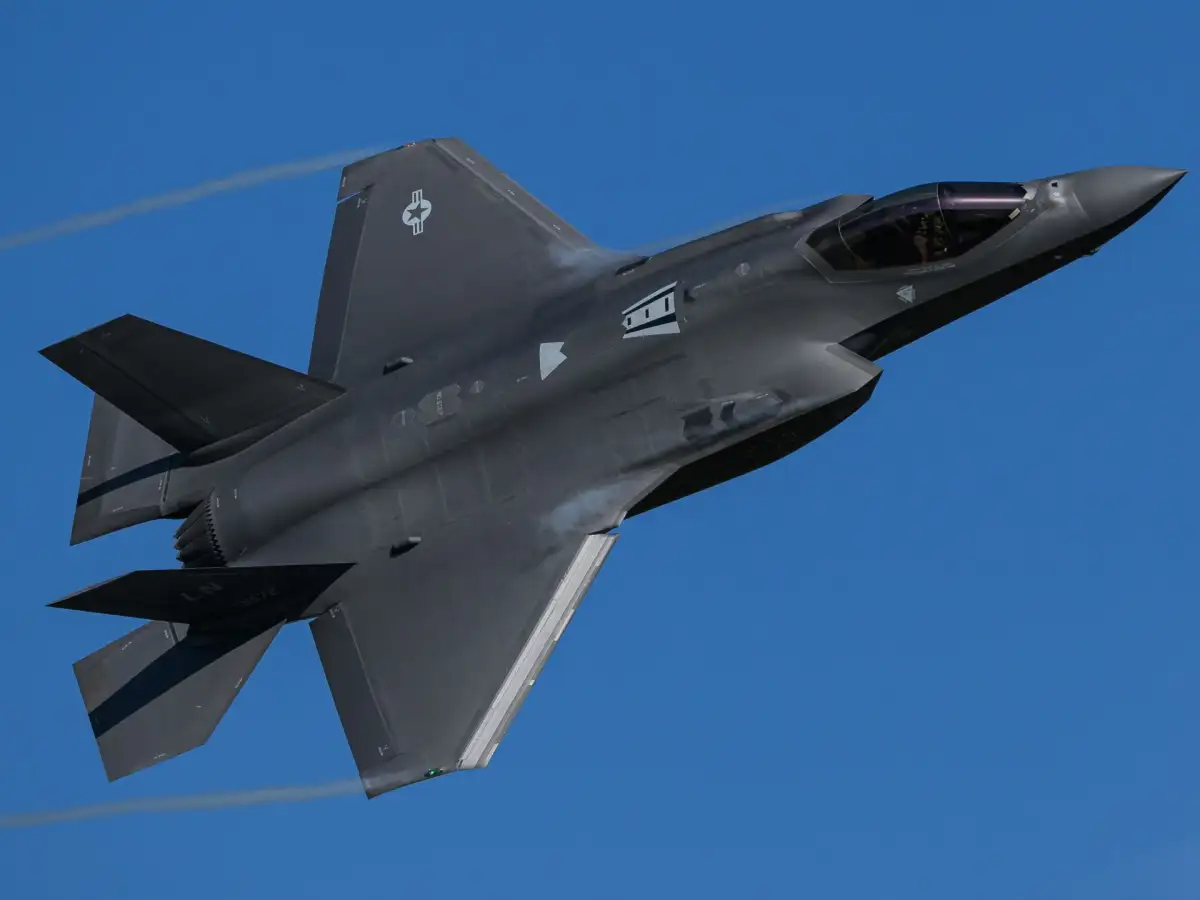
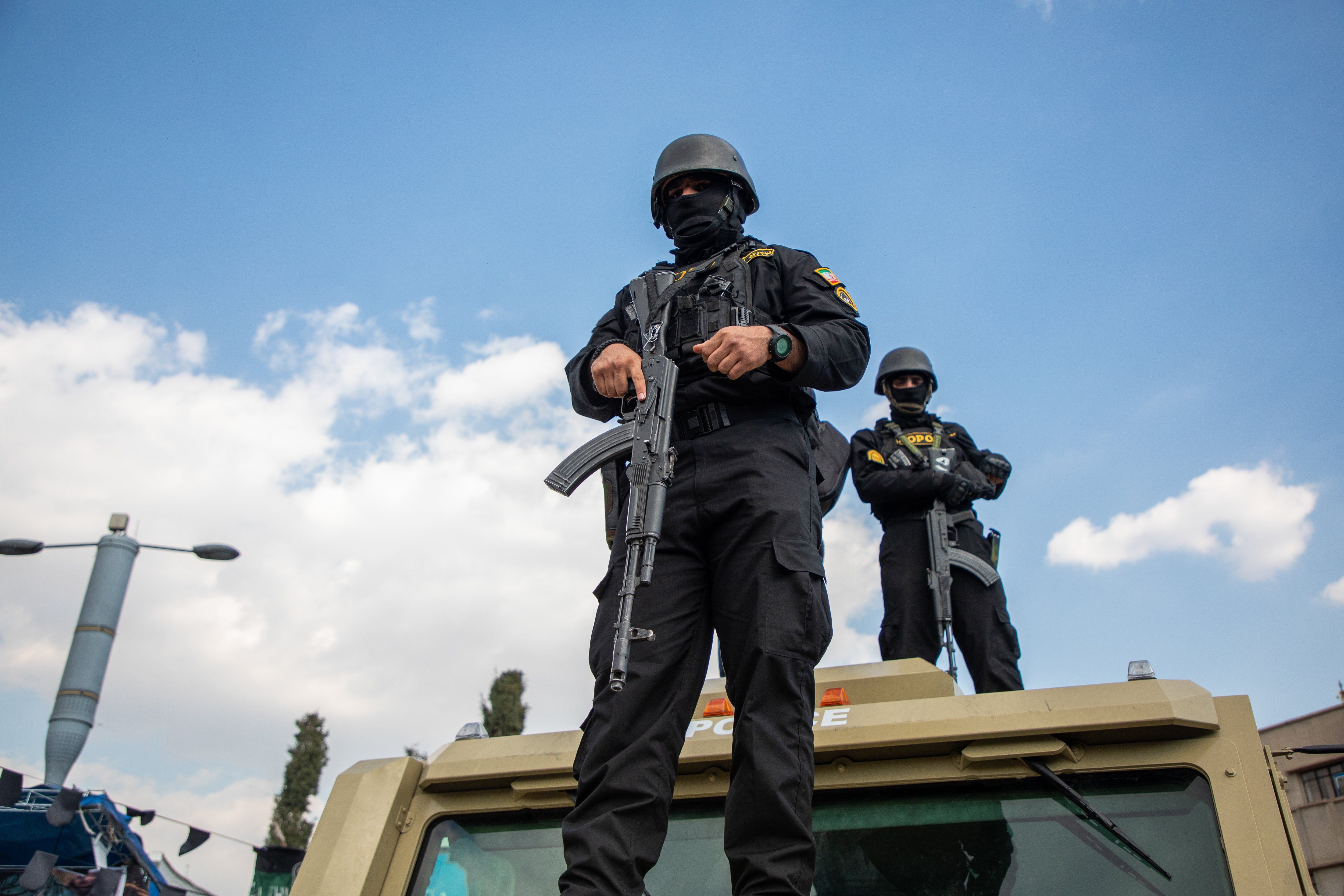
Explosions were reported in Bandar Abbas, a southern port city near the Strait of Hormuz, with Iran's state-run Fars News agency noting major blasts in the city and the Persian Gulf. Iranian state media also claimed its forces shot down a U.S. drone and fired upon an F-35 fighter jet. These assertions of Iranian military actions follow earlier reports of U.S. Navy destroyers facing sustained attacks in the Strait.
Read More: Gulf Oil Exports Rise in June but Still Below Pre-War Levels
In parallel, the Israeli Prime Minister Benjamin Netanyahu announced on Monday an intensification of strikes against the Iran-backed Hezbollah militia in Lebanon, adding another layer of regional instability to the ongoing negotiations.
Background
The current military actions represent a significant test for the ceasefire that commenced on April 8. Negotiators from Tehran have begun new rounds of talks in Qatar, aiming to finalize an accord. Key sticking points include Iran's demand for the release of frozen assets and its insistence on controlling the Strait of Hormuz. Reports of a tanker being damaged off the coast of Oman by an "external explosion" further highlight the volatile maritime environment. This latest escalation comes after earlier U.S. strikes in March, which targeted multiple Iranian naval vessels, including minelaying ships operating near the Strait.