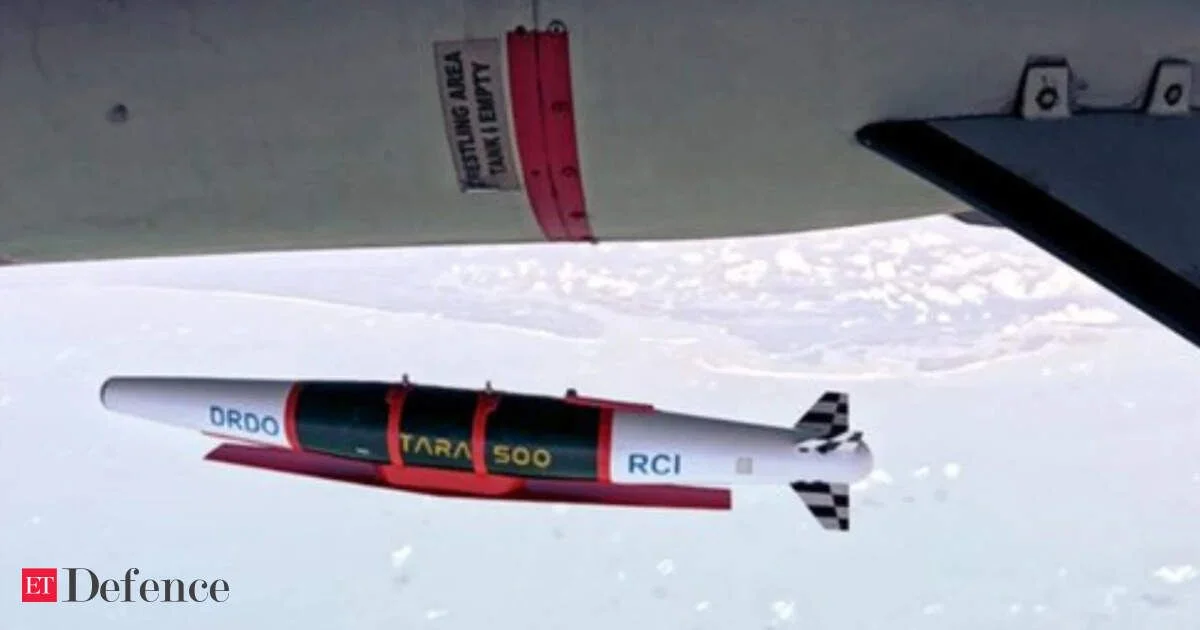
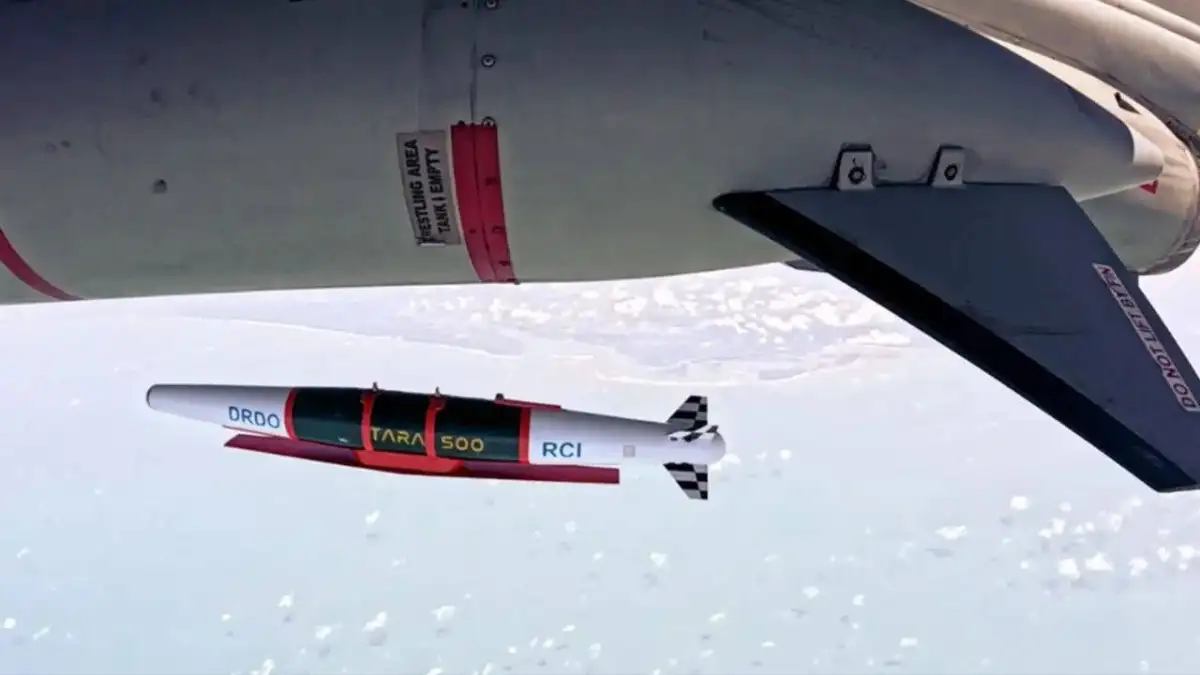
ODISHA COAST - A significant development in India's defence apparatus unfolded off the Odisha coast on Thursday, with the Defence Research and Development Organisation (DRDO) and the Indian Air Force (IAF) successfully conducting the first flight-trial of the Tactical Advanced Range Augmentation (TARA) system. This indigenous glide weapon system is designed to convert conventional unguided warheads into precision-guided munitions, marking India's entry into low-cost precision warfare capabilities.
The TARA system, described as a modular range extension kit, represents India's first indigenous glide weapon system with this capability. Development of the kit has involved Development cum Production Partners (DcPP) and other Indian industries, with production activities already underway.
Defence Minister Rajnath Singh congratulated the DRDO, IAF, and industry partners on the successful trial, terming it a "significant development in advancing India’s indigenous defence capabilities." Secretary of the Department of Defence R&D and Chairman DRDO, Samir V Kamat, also lauded the teams involved.
Read More: India's Defence Ministry approves ₹52,000 crore on Friday for new Army and Navy tech
Technical Nuances and Strategic Implications
The TARA system is configured as an air-launched, long-range, stand-off air-to-ground precision weapon. It integrates state-of-the-art, low-cost systems, including fibre-optic gyro-based inertial navigation, multi-GNSS guidance, and an electro-optical/imaging infrared terminal seeker. This allows combat aircraft to engage high-value ground-based targets from considerably safer stand-off distances with enhanced accuracy.
This development is seen as a crucial step in strengthening India's domestic precision-strike capabilities, potentially reducing its reliance on imported precision-guided munitions. The successful trial occurs approximately one year after Operation Sindoor, which reportedly signified a shift in India's military doctrine towards stand-off precision warfare.
Background and Industry Involvement
The successful TARA trial aligns with India's broader strategy of expanding its indigenous missile, drone, and precision-guided weapon programs. This initiative aims to bolster operational readiness and decrease dependence on foreign defence imports. The project's development, involving DcPP and other Indian industries, underscores a push towards domestic manufacturing in the defence sector. The system was reportedly tested from an IAF Jaguar fighter aircraft.
Read More: BJP Odisha plans 2027 rural polls strategy after May 18 meeting