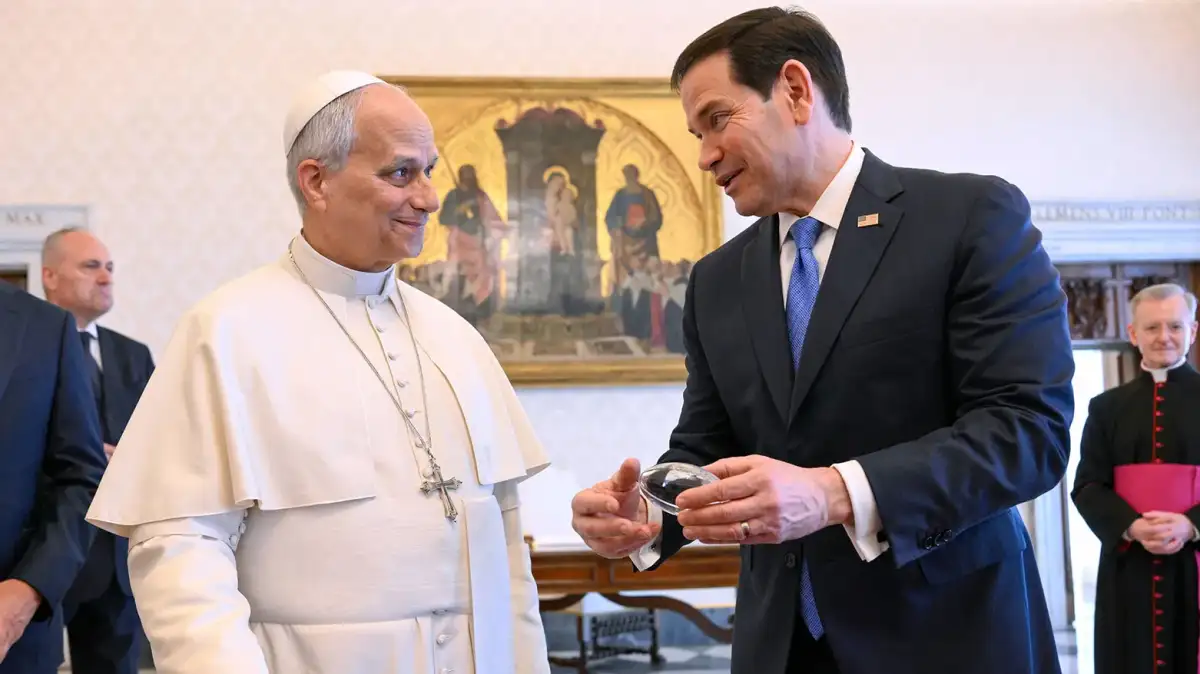
United States Secretary of State Marco Rubio declared that NATO allies refusing the U.S. permission to use bases for force projection presents a significant "problem" that "has to be examined." This statement follows a series of meetings in Rome with Italian officials, including Prime Minister Giorgia Meloni and Foreign Minister Antonio Tajani, and discussions with Pope Leo. The U.S. diplomat's comments underscore growing frustration within Washington regarding the perceived lack of support from European partners during critical military operations, particularly concerning the ongoing conflict with Iran.
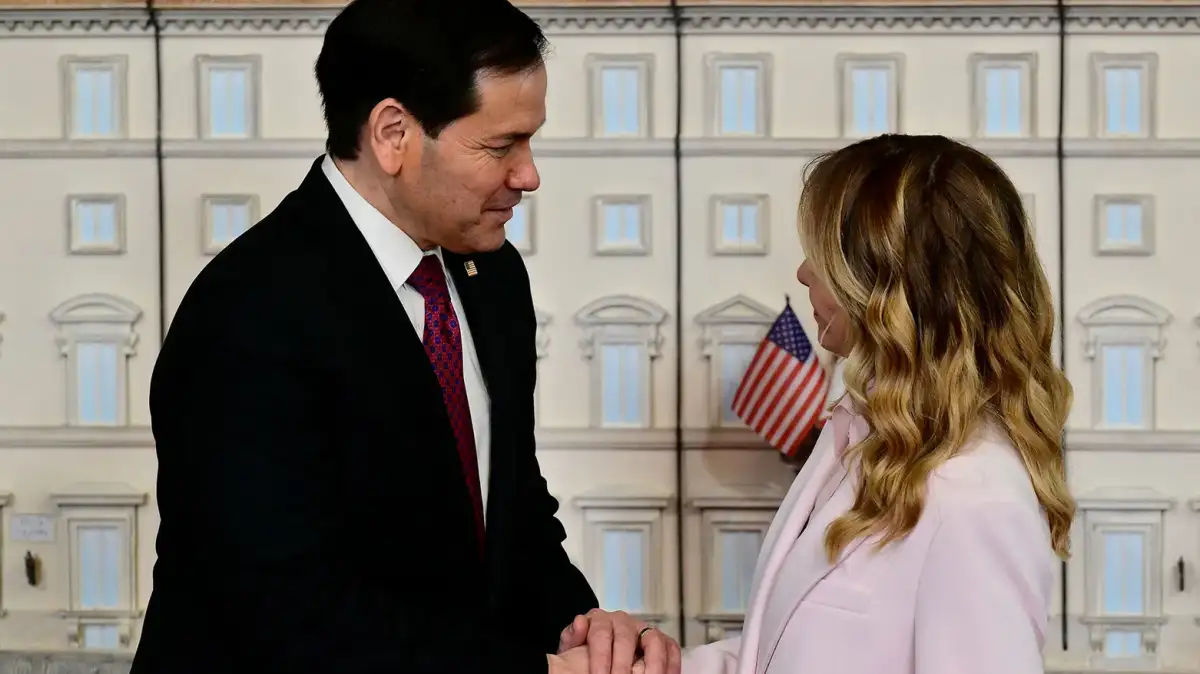
Rubio directly linked the issue of denied basing rights to a potential reassessment of the U.S. commitment to NATO, suggesting that if allies deny essential access during U.S. operations, the alliance might no longer serve its intended purpose. He pointed to instances where European nations have restricted airspace or denied basing rights, specifically mentioning Spain's closure of airspace and France's refusal for planes carrying military supplies.
Read More: Iran Election: President's Limited Power Explained for UK Voters
Calls for Concrete Action on Iran and Transatlantic Reassurance
During his visit, Rubio also pressed European allies to move beyond rhetoric and implement concrete actions against Iran, emphasizing the need to protect economic interests and work towards ending the war in Ukraine. He confirmed that the U.S. is awaiting Iran's response to ongoing diplomatic efforts.
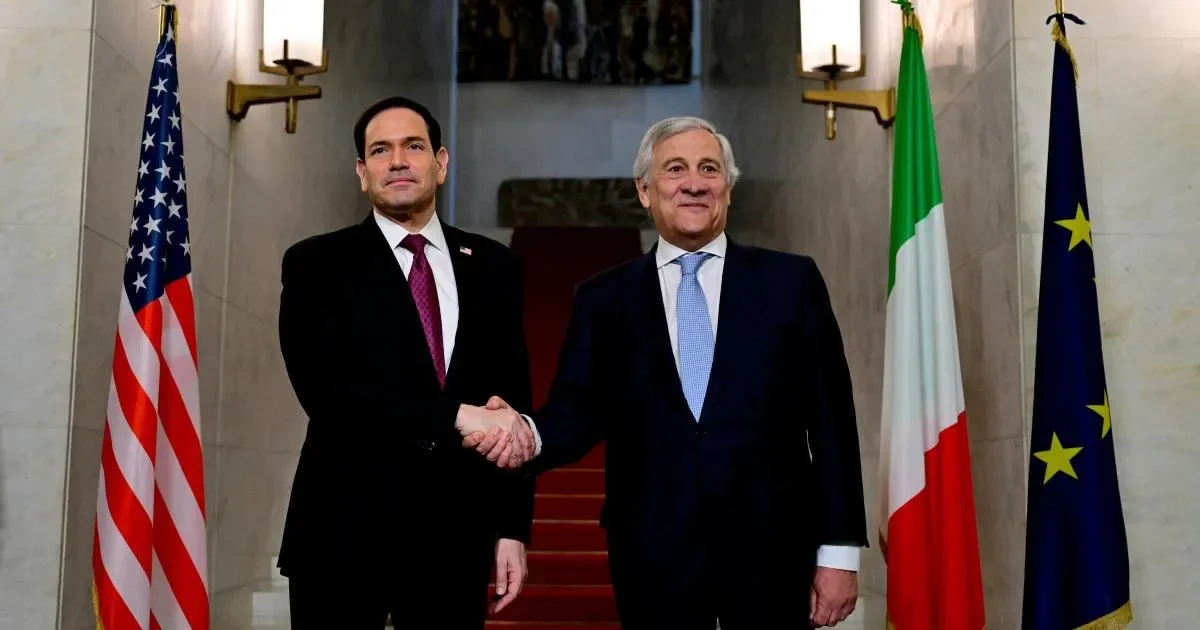
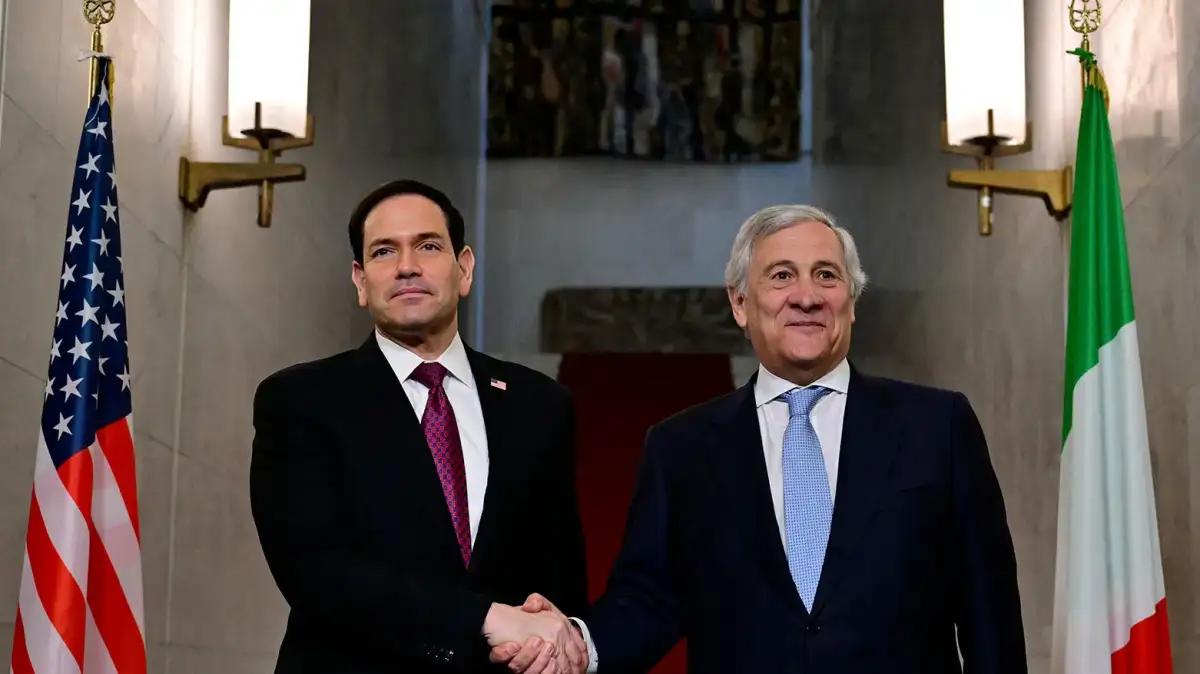
Italian Foreign Minister Antonio Tajani, speaking after his meetings with Rubio, conveyed that Italy views the presence of U.S. troops in Europe as vital for reinforcing NATO. This sentiment was echoed by Tajani in his discussions with Rubio, where he stated that "Europe needs the United States, and vice versa." These exchanges occurred amidst broader tensions stemming from the U.S.-Israeli conflict in Iran, with President Trump having previously criticized both the Pope and the Italian government for their stance on the war. The talks also touched upon the spillover of the Iran conflict into Lebanon, as well as the situations in Venezuela and Cuba.
Read More: US Takes Enriched Uranium from Venezuela to South Carolina
Background: Strained Relations and Strategic Recalibration
The U.S. Secretary of State's two-day visit to Italy and the Vatican was framed as an effort to mend strained ties, following weeks of friction. President Trump's criticisms of European allies regarding the Iran war and his threats to withdraw U.S. troops from Europe have cast a shadow over transatlantic relations. Rubio's public remarks on NATO's utility and the necessity for allies' support highlight a potential strategic recalibration by the United States, especially as it pursues its objectives in the Iran conflict and other global security concerns.